
Last updated November 21, 2026
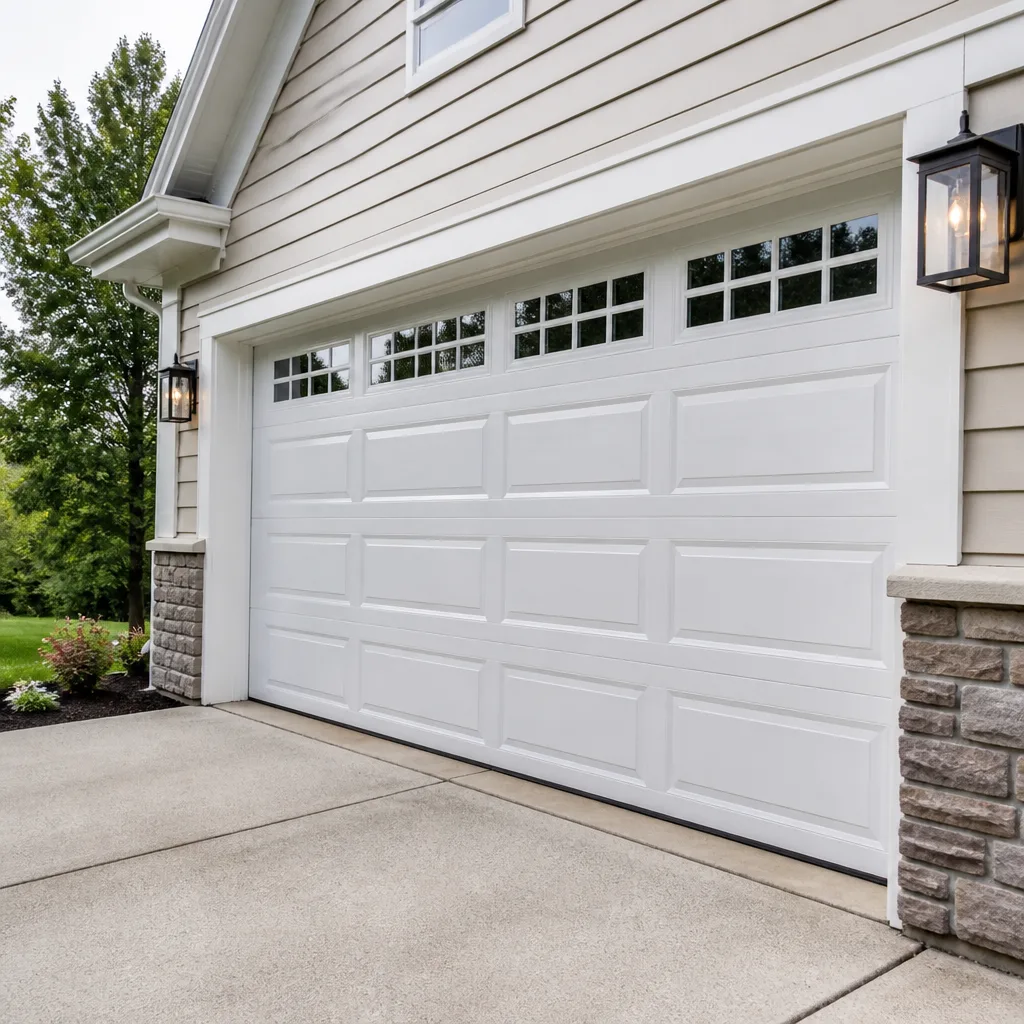 Raised-panel steel
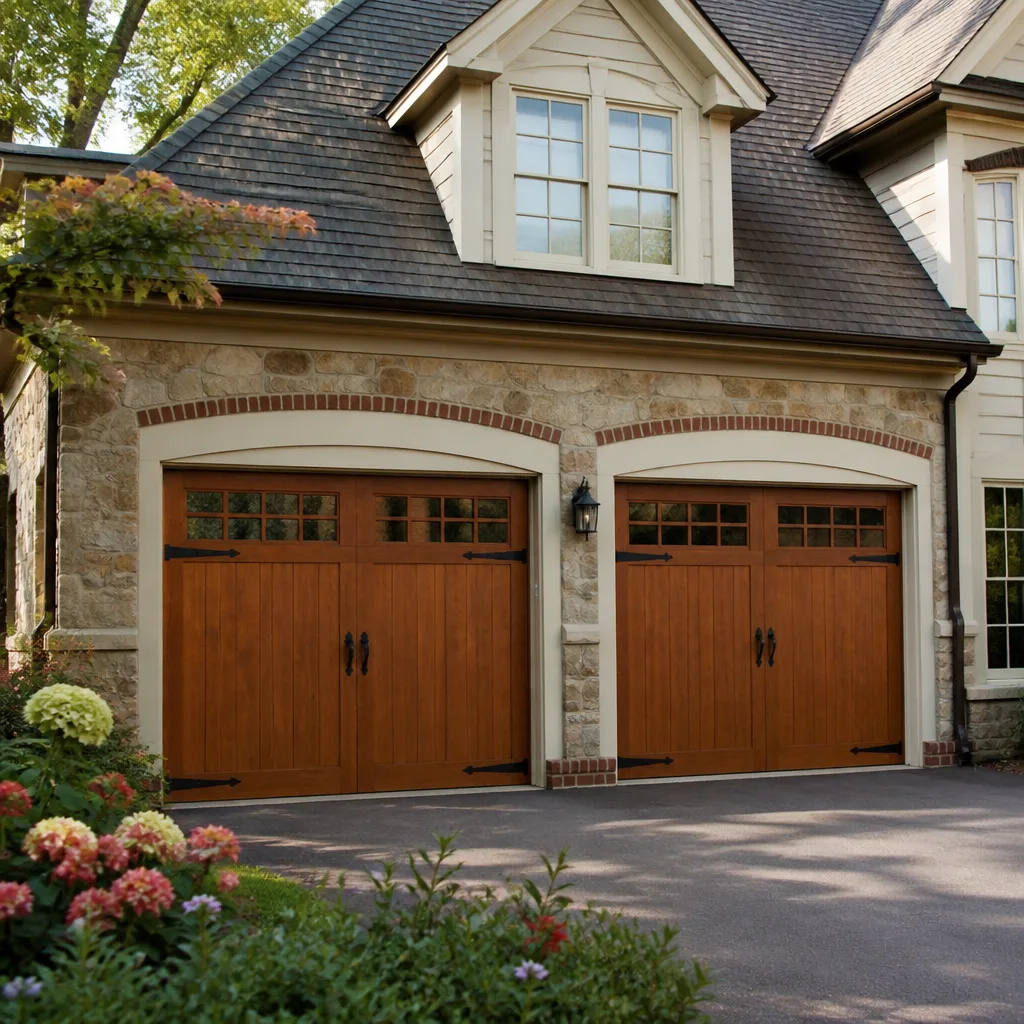 Carriage house
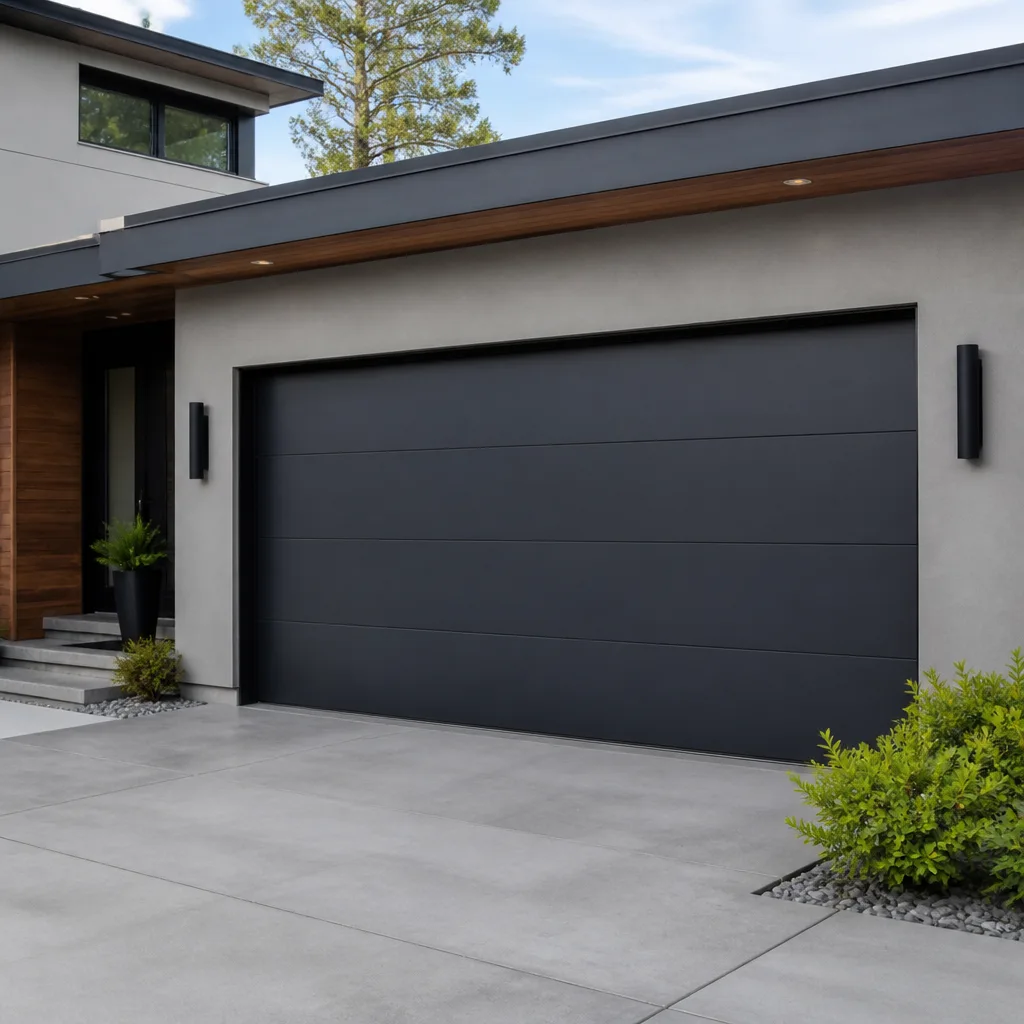 Modern flush
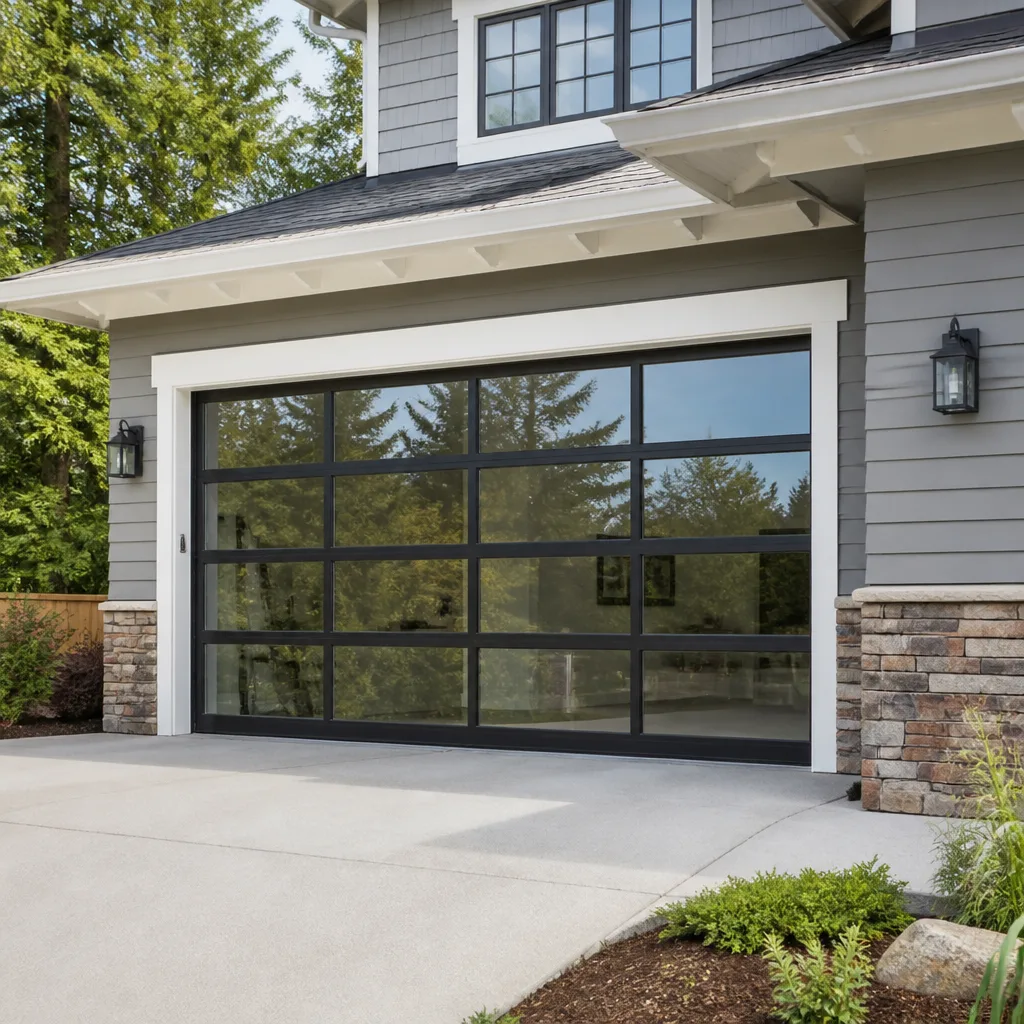 Full-view glass
 LiftMaster openers
 Chamberlain openers
Full 25-point door and opener safety check with every visit - springs, cables, rollers, tracks, and your LiftMaster or Chamberlain opener included
You get a price before we start. It does not change when the pro arrives.
Get your free estimateDIY vs Professional Garage Door: The Greenwich Village Homeowner’s Decision Guide
Torsion spring replacement is the most-searched garage door DIY repair, and it’s also the one most likely to send a homeowner to the emergency room. A torsion spring on a standard two-car door stores enough energy to break a wrist or shatter a windshield when it releases wrong. That’s not alarmism. It’s the honest starting point for any real cost-benefit calculation. Most advice on this topic stops at skill and price, but in Greenwich Village the deciding factors are different: what the building allows, what the manufacturer warranty tolerates, whether you have 18 inches of clearance beside the door, and whether two people can physically stand where the work needs to happen. What follows is a task-by-task line between safe DIY and call-a-professional.
Quick Answer
Bottom seals, weather stripping, roller lubrication, and remote reprogramming are safe DIY jobs in Greenwich Village. Anything involving torsion springs, extension springs, cables, drums, bottom brackets, or the door’s balance is a professional job, because the stored energy can cause serious injury and most manufacturers void the warranty when those parts are touched by anyone unqualified. Anything that needs a permit or an electrical change in a building is a professional job too. Our Garage Door Repair Greenwich Village team can tell you which category your repair falls into over the phone.
Styles & brands we work with
- Raised-panel steel
- Carriage house
- Modern flush
- Full-view glass
- LiftMaster openers
- Chamberlain openers
Table of Contents
- What can a homeowner safely do on their own?
- What repairs should never be DIY?
- Why does the job get harder in a Greenwich Village garage?
- Do you need a permit for garage door work in New York City?
- How does DIY work affect a manufacturer warranty?
- What does a failed DIY repair actually cost?
- The three-question decision flowchart
- How brand knowledge changes the call
What can a homeowner safely do on their own?
A short list. These are the jobs where the forces involved are low, no tension is being managed, and the failure mode is a damp floor or a door that squeaks. In a Greenwich Village townhouse or a converted carriage house, this is where DIY makes sense and where we’ll happily tell you to save the money.
- Bottom seal replacement. A cracked rubber gasket pushes onto the door’s bottom edge. It isn’t under spring tension. You measure the door width, cut the new seal to length, and slide or push it on.
- Weather stripping along the jambs and header. Nail-on or adhesive strip, mostly cosmetic and mostly about keeping drafts and street grit out. No moving parts.
- Roller lubrication. A few drops of garage door lubricant on each roller stem and hinge point quiets a lot of noise. Don’t swap grease for WD-40 style solvent sprays, which dry out the bearings.
- Remote reprogramming. Pairing a spare remote to a Chamberlain or Genie opener is a manual job, not a mechanical one. The instructions are on the opener’s head unit or in the manual for that model.
- Visual inspection and photo documentation. Snapping photos of worn rollers, frayed cables, or a gap at one corner helps a technician diagnose over the phone and helps you describe the problem accurately.
- Cleaning the photo-eye lenses and checking the alignment. If the door reverses for no reason, wipe the two sensors near the floor first. It costs nothing and solves a surprising number of calls.
Everything on that list is reversible. If you get it wrong, the consequence is a cosmetic flaw, not an injury.
What repairs should never be DIY?
Springs and cables. Everything hanging off them, and everything that holds them. That’s the whole rule, and it’s absolute. The torsion spring on a two-car door holds the door’s weight in tension; extension springs do the same thing along each track. When either releases, the parts move fast enough to kill, not just injure. We handle this repair in-house because it’s one of the most commonly mishandled jobs, and we’d rather be the ones explaining the risk than the ones cleaning up after it.
Here’s the full do-not-touch list, in plain terms:
- Torsion springs. Winding them takes a winding bar, a specific number of quarter turns for that door’s weight, and a technician who has done hundreds. The wrong turn count or a slipped bar is the common injury mechanism, and it takes under a second.
- Extension springs. On older doors, these sometimes lack any safety containment cable. Replacing them means containing the failure mode first. That’s the kind of judgment call a trained technician makes by looking at the door.
- Cables, drums, and bottom brackets. The bottom bracket on many doors carries full cable tension and can tear loose. This is the point where experienced technicians get hurt most often.
- Track realignment. A bent track is usually the symptom of a bent door or worn rollers, not the cause. Bending it back without finding the source can make the door travel worse and unsafe.
- Panel replacement on a structural door. Panel weight and balance are part of one system. A panel swap that misses the balance check leaves the door heavier on one side and wears out the opener.
- Anything electrical at the panel or a 240V circuit. If the job needs new wiring or a breaker change, that’s not a garage door job at all. That’s a licensed electrician’s job.
We’re not going to give you a step-by-step on spring winding. There isn’t a safe version. If you want to understand the danger, ask a technician to show you what the spring does while they work. It’s a five-second demonstration and you’ll never look at your door the same way again.
Why does the job get harder in a Greenwich Village garage?
A repair that reads as “easy” in a suburban two-car garage becomes genuinely impractical in a one-car Village carriage house with 18 inches of clearance beside the door. The task doesn’t change. The conditions around it do.
The tool list for a torsion spring job is a case in point. You need two winding bars of the correct diameter for the spring’s cone, a pair of locking pliers for the shaft, a ladder tall enough to reach the shaft at the right angle, and a second person. In a garage whose walls sit so close that a ladder has to rest at a shallow angle, that’s a setup problem. Add a stored bicycle, a scooter, or a stack of boxes and the ladder can’t sit plumb at all. A technician learns to work against a wall and in a container, because in Greenwich Village that’s most of the job.
The wider geometry matters too. Narrow side clearance changes how you approach the bracket and the drums. Lower ceilings make any door that uses high-lift or low-headroom track harder to work on. A door that opens onto a courtyard or a laneway means the door’s travel space is shared with a walkway, so the area must be blocked off for anyone passing. In a shared building, that’s a conversation with the neighbors, not just a morning of work.
Tools and parts add their own friction. There’s no garage to leave a rolling toolbox in for a weekend, so tools come in and out of the apartment. A replacement panel or a pair of springs has to be carried up stairs or down a narrow stairwell. Add the difficulty of parking nearby to unload and the time economy of “I’ll do it myself” gets reversed fast.
The short version: the door may only take half a day to fix, but the logistics of the fixing can eat the other half. That’s a real cost, even if it doesn’t show up on a receipt.
Do you need a permit for garage door work in New York City?
Sometimes, and the answer depends on the type of work and the building, not the door brand. Straight repairs (spring, roller, cable, opener) generally don’t involve a permit. A full door replacement or any work that changes the opening’s structure, the header, the framing, or the required clearances can cross the line into work the city wants filed. Overhead door installation and the structural conditions around it fall under the NYC Building Code, and the practical rule is simple: ask before you buy.
The steps we recommend for any Greenwich Village homeowner planning a door replacement:
- Call the DOB or check the permit history for the building address. If the building has active work on record, the door replacement may need to be coordinated with it. Co-op and condo boards also have their own paperwork, usually a building alteration agreement.
- Ask whether the door replacement counts as an alteration or a repair. The classification changes who files and what gets inspected.
- Confirm clearance requirements with the installer before ordering. A new door must meet current headroom and clearance measurements. If the existing opening was built to older standards, the difference can require a change in the track system, sometimes structural.
- Get the contractor’s insurance and license in writing. In a shared building, this is usually a board requirement before anyone works inside the garage.
We don’t file permits on your behalf for structural work that needs a licensed design professional or a general contractor. That’s a different scope. But we can tell you when a job is likely to need one so you don’t get surprised after the door is delivered. For a replacement, the right first call is to schedule a free measure and a written price, not to start swinging tools. Our garage door installation pages explain what a site visit covers.
How does DIY work affect a manufacturer warranty?
It often voids it for the specific parts you touch, and the manufacturer’s terms decide, not the dealer. Clopay, Chamberlain, Amarr, and most of the major brands write their warranties with an assumption that installation and service are performed by qualified professionals. If a spring fails on a door you tried to rewind, the manufacturer can decline the claim because the part was altered outside their terms. That isn’t universal or uniform across every brand and model, but it’s common enough that we always check the door’s model and terms first.
The practical consequences look like this:
- Openers. A Chamberlain or LiftMaster opener with a warranty can be voided for the whole unit when the wiring is modified outside the manual, or when a door balance issue damages the motor after a non-professional installation. The motor might still fail for a covered reason later, but the manufacturer will ask about who installed it.
- Doors and panels. Clopay and Amarr warranty the door finish, panels, and hardware separately. A rust-through or finish claim usually requires proof the door was installed according to spec. A panel you replaced yourself is often outside the finish warranty even if the rest of the door is still covered.
- Springs and hardware. A broken spring after a DIY cable or drum replacement gives the manufacturer an easy out. They’ll point to the unapproved service.
The warranty angle changes the cost math. If your DIY attempt damages a door still under warranty, you don’t lose the spring cost. You lose the coverage for the door. That’s a bigger number than a professional repair, which is why we recommend checking the model tag on the door and the opener before deciding.
What does a failed DIY repair actually cost?
A failed DIY repair usually costs more than doing the job right the first time, because you pay for the original attempt and the correction. Correction work is also slower than a first-time repair, because the technician has to undo what’s been done, inspect for secondary damage, and reset the door’s balance. Correction is priced per job by the written estimate, and the price is agreed before work starts.
Typical line-item estimates for Greenwich Village garage door work, so you can compare a correction against a clean repair:
- Torsion spring replacement (one spring): typically $180 to $340. A matched pair, usually replaced together, is about twice that.
- Cable replacement (per cable): typically $120 to $240.
- Roller replacement (set): typically $90 to $200.
- Opener repair (board, gear, or sensor): typically $140 to $320.
- Full opener replacement (unit and install): typically $320 to $650.
- Panel replacement (single panel): typically $250 to $700.
- Door balance and adjustment: typically $80 to $180.
These are typical estimates, not quotes. The written estimate sets the final price, which matters when a correction job turns out to involve a bent shaft or a chewed-up drum. The hidden cost isn’t the technician’s invoice. It’s the second invoice you didn’t expect.
Where correction work gets expensive is when the door’s underlying geometry has been damaged. Bending a track back by hand to force a crooked panel into place can widen the panel gap so a replacement panel has to be ordered. Winding a spring a few turns too far can crack the shaft. Winding a spring too few turns leaves the door balanced wrong, and every open and close wears the opener motor a little more. None of that shows up until weeks later, when the opener fails and the call becomes a bigger one.
If you want a single call to decide whether the correction is a small job or a big one, our garage door repair team can look at the door and give you a written price. The estimate is free and the answer may be easier than you think.
The three-question decision flowchart
Three questions settle it in under a minute. If you answer yes to any of the first two, stop and call. If you answer no to all three, the job is probably safe to do yourself.
- Does the job involve a spring, cable, drum, bracket, track, or the door’s balance? If yes, professional. There’s no safe DIY path for these. The energy stored in a torsion spring is enough to break a bone, and a two-person crew is the minimum for the job to be done well.
- Does the job require a permit, a structural change, or electrical work at the panel? If yes, a licensed professional and possibly a design professional. Garage door work in a Village building may also need board approval before anything starts.
- Would the job need two people and a ladder in a space with less than 18 inches of side clearance? If yes, and you’re working alone, professional. Even if the task itself is minor, the conditions make it unsafe to do alone.
If the answers are no across the board, you’re in bottom-seal, weather-strip, lubrication, or remote-programming territory. Do it yourself, save the cost, and sleep well.
How brand knowledge changes the call
The brand on your door and opener changes what the right repair is, which is why we work on the brand you already have rather than pushing a replacement. A Genie opener from the 1990s and a current LiftMaster unit fail in completely different ways, and a Clopay panel door handles a spring repair differently from an Amarr steel door. Knowing the model saves time and prevents the wrong part being installed.
Three brand-specific examples worth knowing:
- Chamberlain and LiftMaster openers. The myQ ecosystem is the smart-home path most Village homeowners have. A door that opens fine from the wall button but not from the app is usually a network or logic board issue, not a motor failure. The repair is different from a mechanical open.
- Genie openers. Older Genie units with a screw drive or a chain drive have different motor gear wear patterns. A grinding noise is often a gear, not the whole opener, so the repair stays small.
- Clopay and Amarr doors. Panel replacement on these doors is straightforward when the model is known, because panel profiles and finishes are branded. A mismatched panel on a Village facade is a visible problem, which is why the measure matters.
An opener is usually worth repairing before replacing, which is why our garage door opener repair service looks at the model first and the symptom second. A dead opener isn’t always a dead opener. Sometimes it’s a sensor, a logic board, or a wall button, and the fix is much smaller.
Common Mistakes to Avoid
- Trying to rewind a spring by eye. Springs need a winding bar and the specific number of turns for that door’s weight. Guessing the count either unbalances the door or snaps the shaft. Call a technician for this one.
- Using WD-40 on the rollers and tracks. Solvent sprays strip grease and attract dirt. Use a proper garage door lubricant, and skip the tracks entirely. They’re meant to stay clean.
- Bending a bent track back by hand. A bent track is usually the symptom of a bent door or worn rollers, and forcing it back can make the door travel worse. Find the cause first.
- Ignoring a frayed cable because the door still opens. A frayed cable can fail with the door open and drop it. That’s a professional call, and it usually gets more expensive the longer it’s left.
- Replacing the opener because the remote stopped working. In a Greenwich Village building, signals can bounce between brick walls. Reprogram the remote, check the photo eyes, and try the wall button before you replace anything.
- DIY on a warranty-covered door. Once you touch a Clopay or Amarr panel or a Chamberlain logic board, the manufacturer can decline the claim. Check the model tag before you start.
- Skipping the board’s approval before a replacement. Co-op and condo boards often want proof of the contractor’s insurance before any work starts in the garage. A door delivery that arrives before the paperwork can’t be installed.
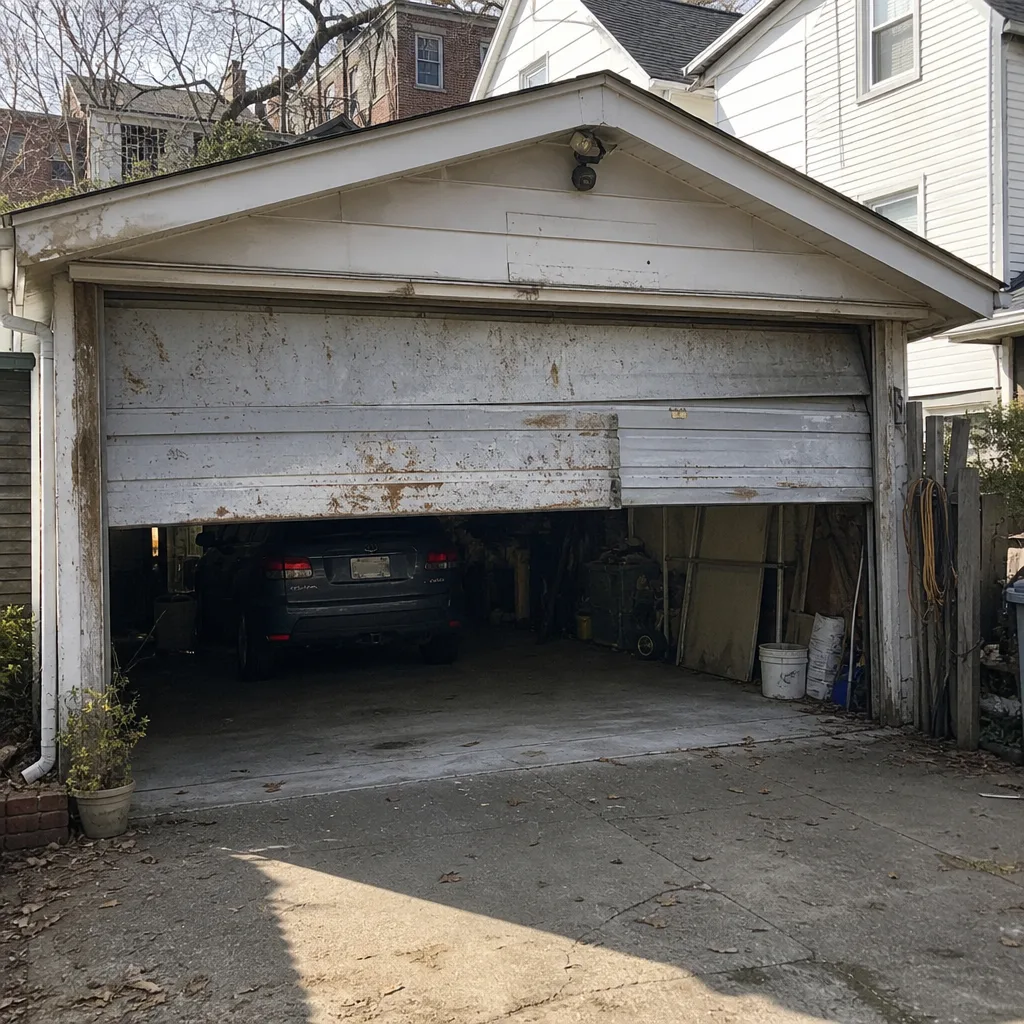
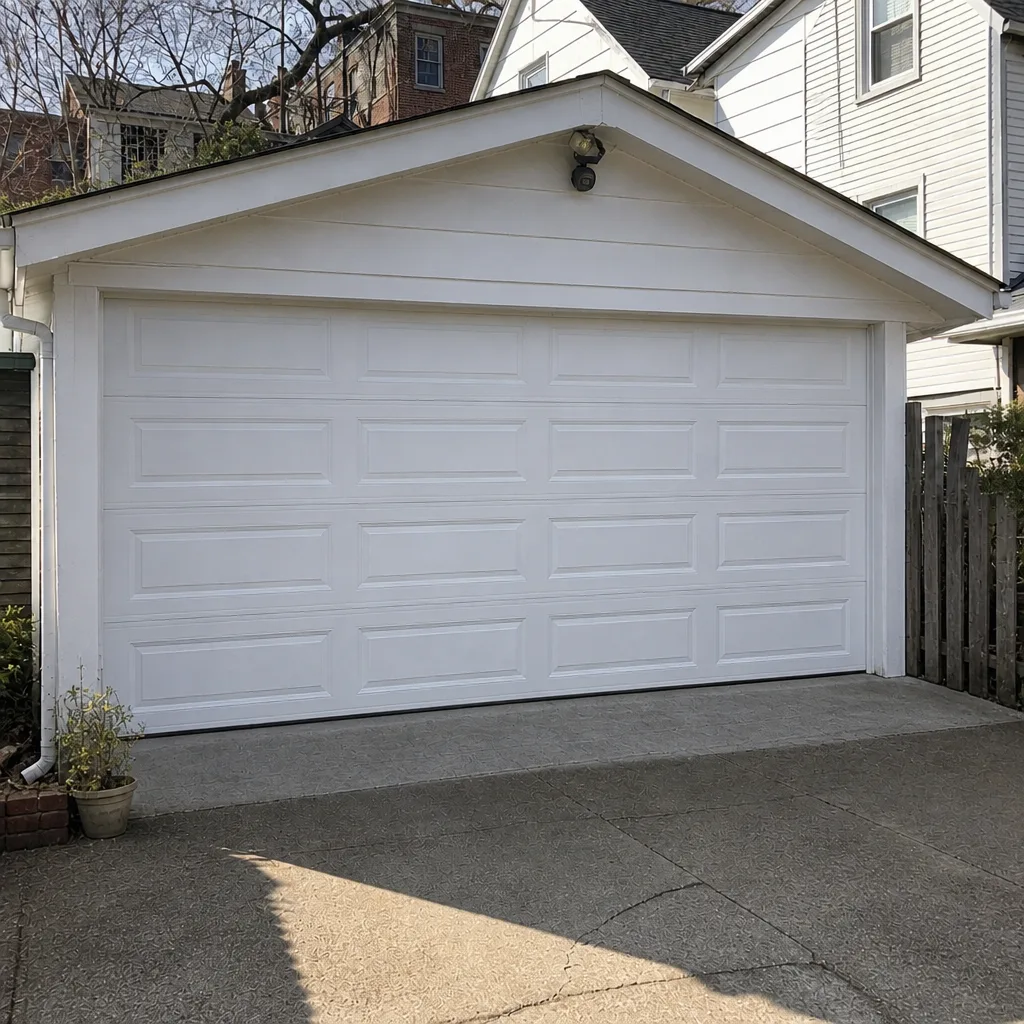
See the difference
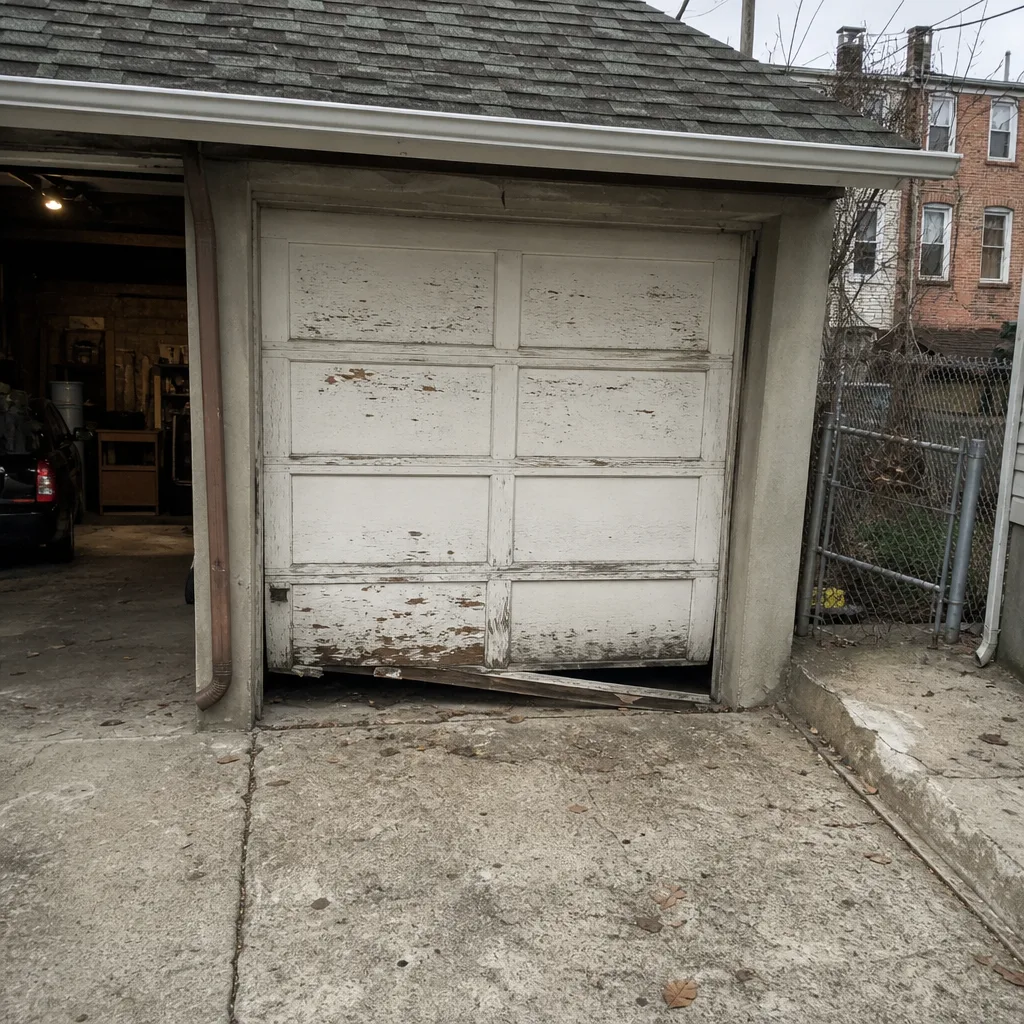 Before
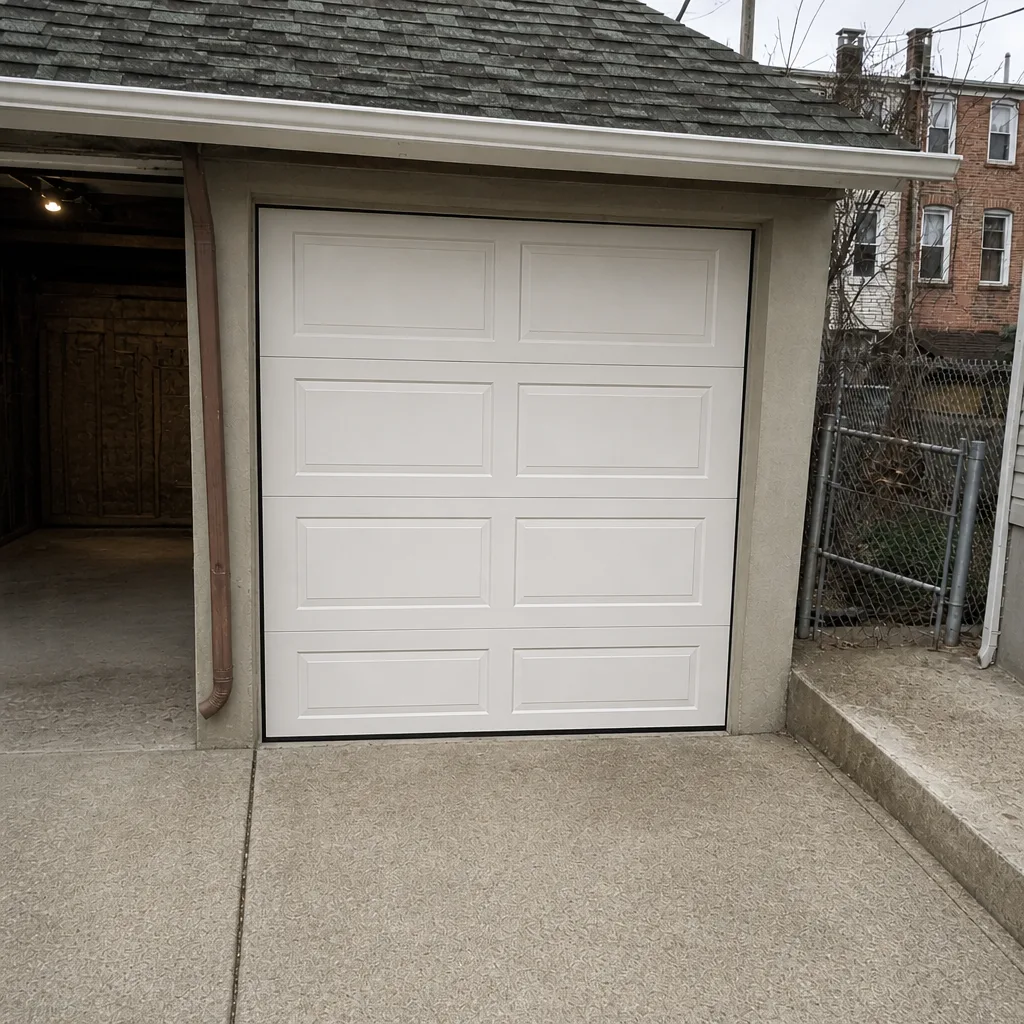 After
 Before
 After
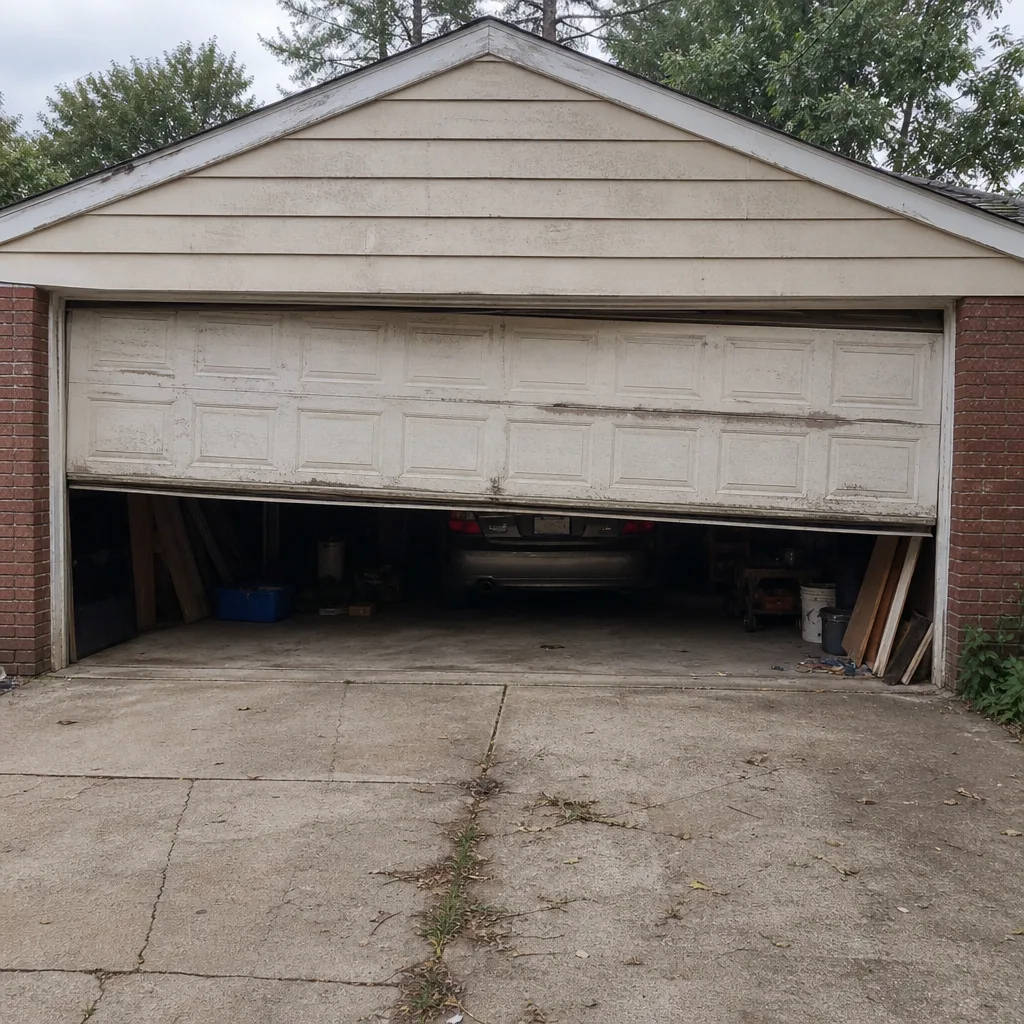 Before
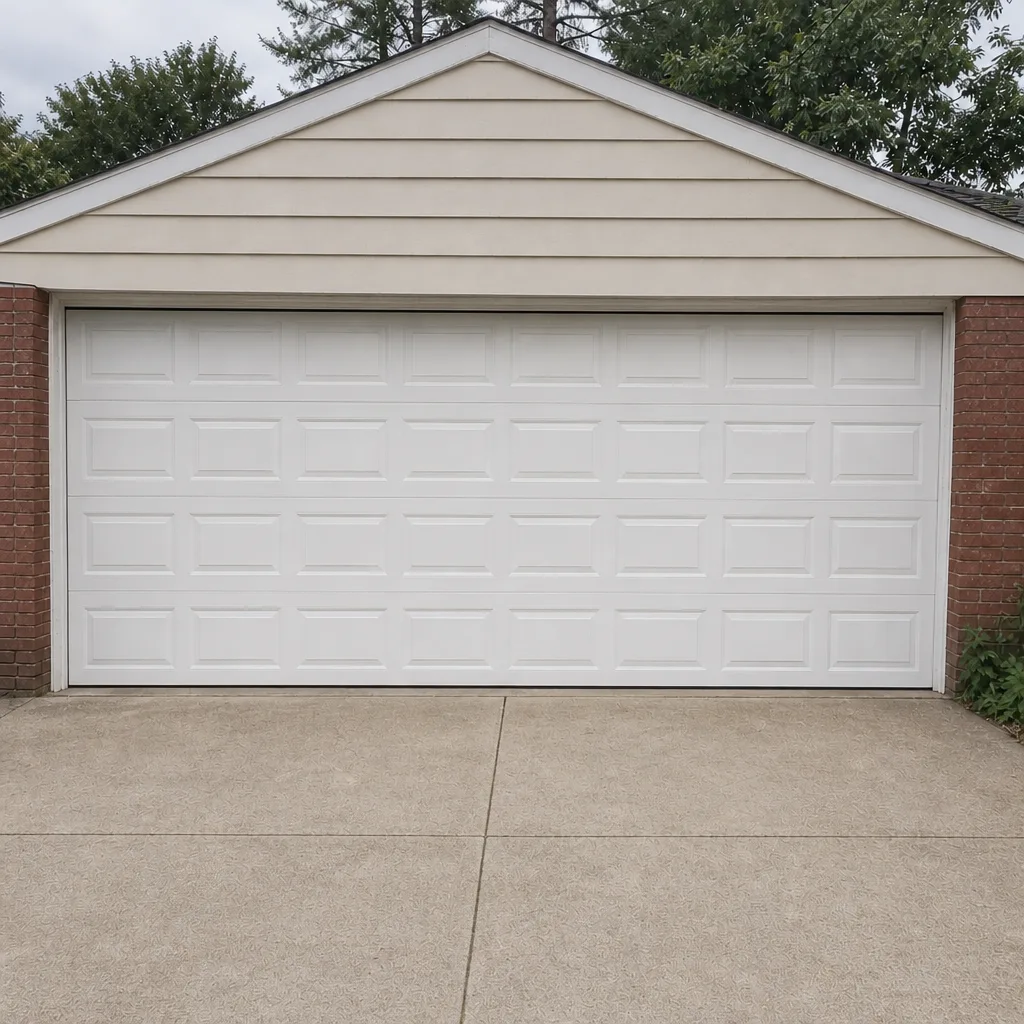 After
When to Call a Professional
Call us when the job involves springs, cables, drums, brackets, or track realignment. Call when the door has come off its track, when the cable has snapped, when the opener smokes or trips a breaker, or when the door won’t close and the building is exposed. Call when the door is under warranty and you want that warranty preserved. Call when you’re working alone in a space too tight to set a ladder properly, or when the job crosses into a permit or an electrical panel. Call when a repair has already been attempted and the door is behaving strangely, because correction work is a different kind of job and often a smaller one than it looks. Garage Door Repair Greenwich Village offers free estimates in Greenwich Village. Call (844) 395-2808. We answer 24/7. Fast dispatch from 7am to 7pm, Sunday through Friday.
Frequently Asked Questions
No. Torsion and extension springs store enough energy to cause serious injury, and there’s no safe DIY method for winding or tensioning them. Most manufacturers also void the spring and door warranty when a spring is replaced by anyone unqualified. A trained technician does the job with two winding bars and a balance check, and the written estimate sets the price before work starts. Call (844) 395-2808 for a free estimate.
Bottom seal replacement, weather stripping, roller lubrication, and remote reprogramming are safe DIY jobs. So is cleaning the photo-eye lenses when a door reverses for no reason. Anything that involves stored spring tension, cables, drums, or the door’s balance is not. If you’re unsure, describe the symptom over the phone and we’ll tell you which category it falls in. The estimate is free.
Straight repairs generally don’t. Full door replacements and work that changes the opening’s structure or framing can need one, and the answer depends on the building and the scope. Ask the city’s building department and your co-op or condo board before ordering a door. We can flag when a job is likely to cross that line, and we’d rather answer that question before you buy than after.
It can, for the parts you touch, depending on the manufacturer’s terms for that model. Chamberlain and LiftMaster openers and Clopay doors each have their own warranty language, and the common thread is that service should be performed by a qualified professional. Check the model tag and the warranty document before you start. If you’d rather keep the coverage, call (844) 395-2808 and let a technician handle it.
Correction work typically runs higher than a first-time repair, because the technician has to inspect for secondary damage and reset the door’s balance before the new part goes in. A single torsion spring replacement usually falls in the $180 to $340 range in this market, and a pair about twice that. The written estimate sets the final price, and it’s agreed before any work begins. Call (844) 395-2808 for an exact quote – estimates are free.
Yes, in most cases. A door stuck open or a snapped spring is a same-day repair in our experience, and our phone line is answered 24/7. Fast dispatch runs from 7am to 7pm, Sunday through Friday, and a call outside dispatch hours is booked into the next opening. We’ll confirm a window and a price before anyone heads out. Call (844) 395-2808.
The Bottom Line
The DIY-versus-professional decision for a garage door isn’t really about skill. It’s about stored energy, warranty terms, permit rules, and physical space. Bottom seals and remote programming are fine to do yourself. Springs, cables, drums, brackets, and the door’s balance are not, and no amount of internet instruction changes that. In a Greenwich Village garage the space itself often decides it, because a job that needs two people and a proper ladder doesn’t fit next to 18 inches of clearance. If you’re near the line, a phone call settles it faster than a weekend of trying. Our technicians have up to 12 years of experience and we work on the brand you already have.
Call Garage Door Repair Greenwich Village at (844) 395-2808 for a free estimate. We answer 24/7. Fast dispatch from 7am to 7pm, Sunday through Friday.
Written by the team at Garage Door Repair Greenwich Village.