
Last updated November 21, 2026
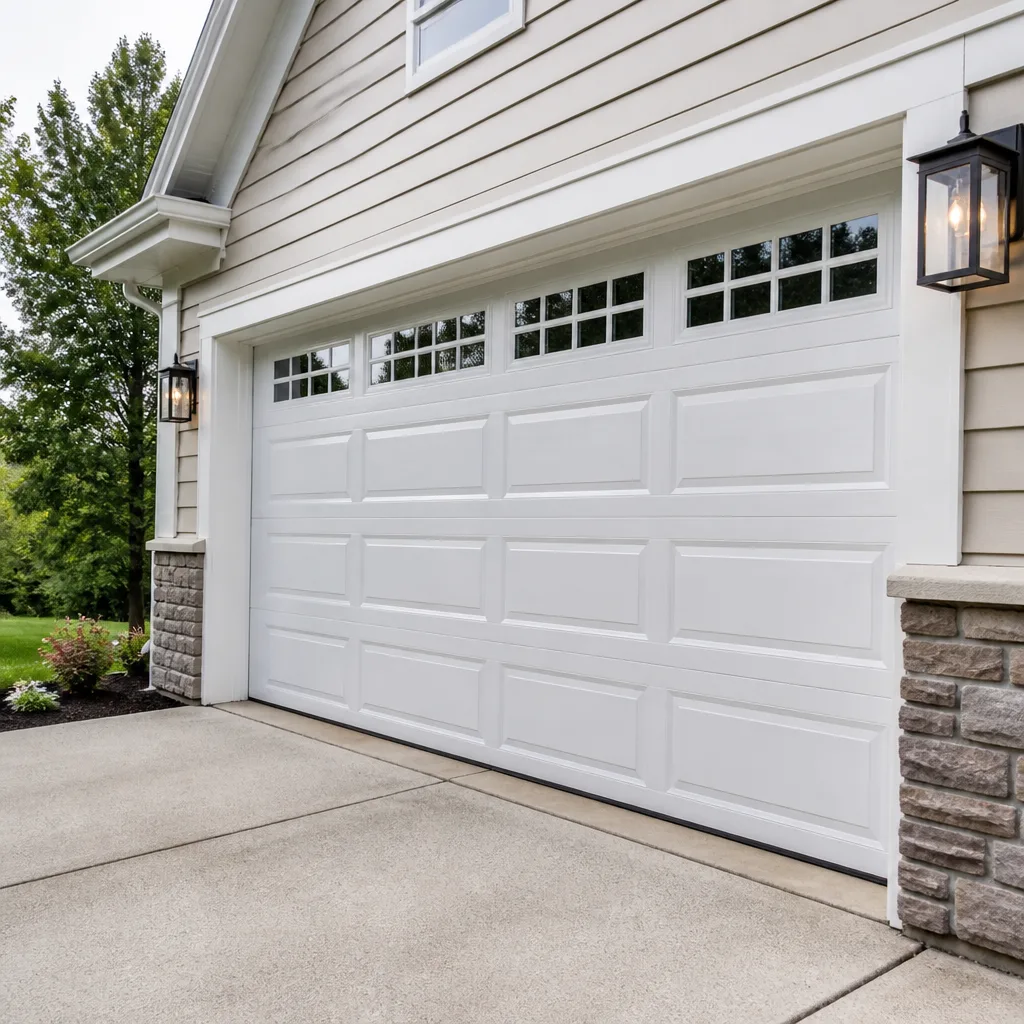 Raised-panel steel
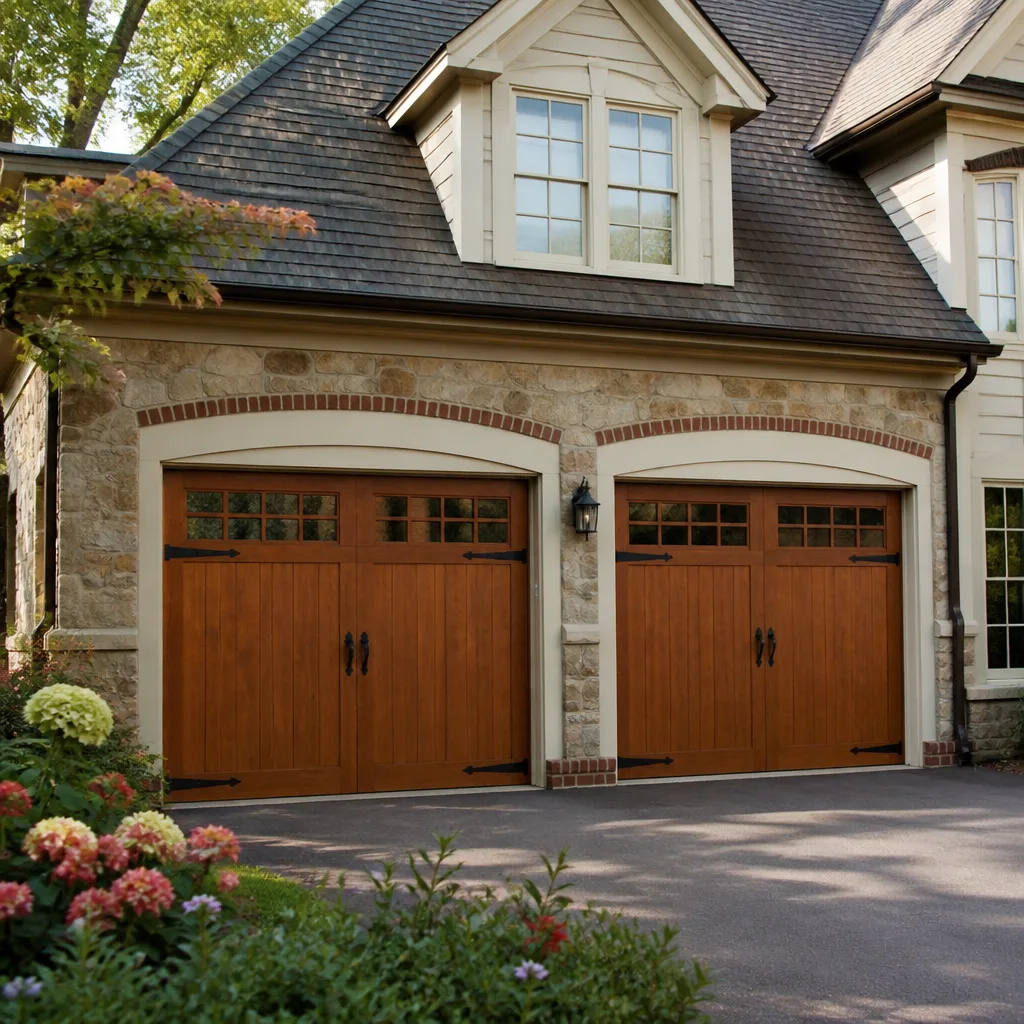 Carriage house
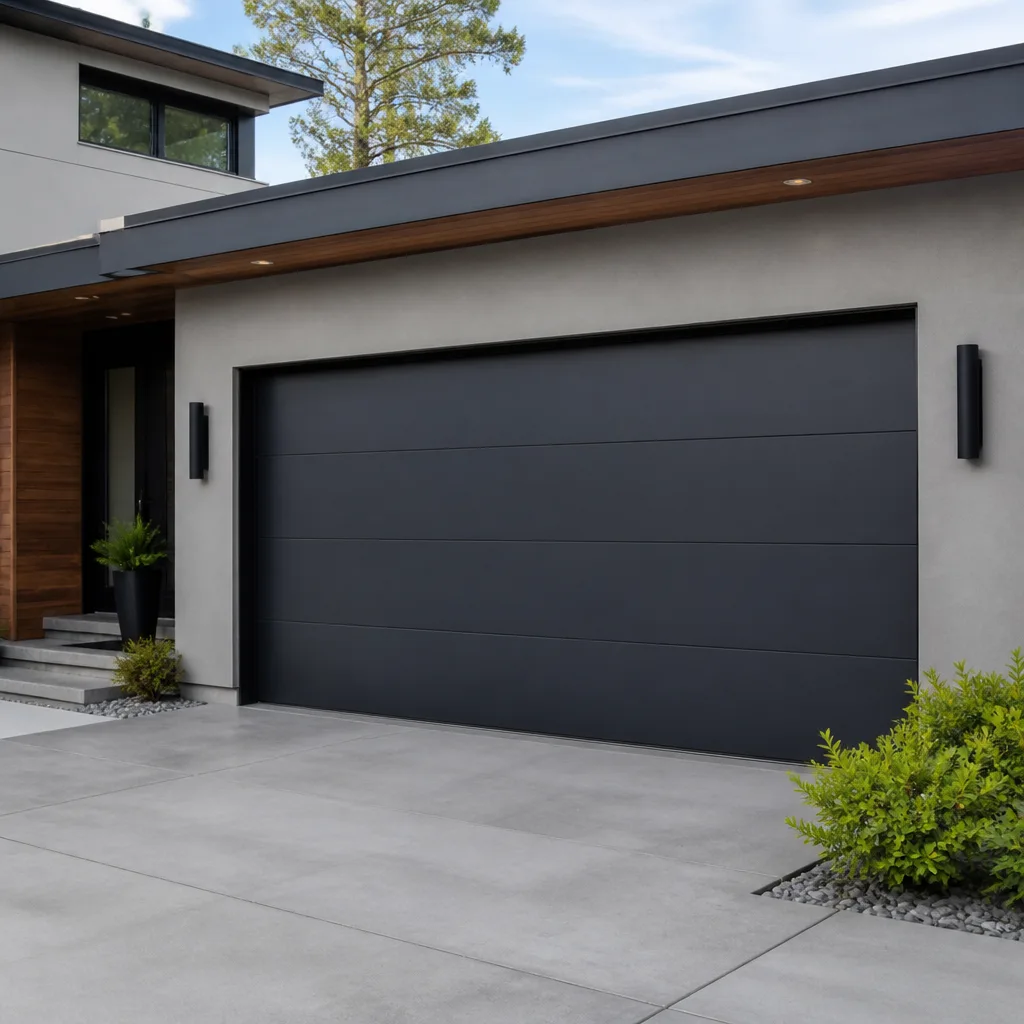 Modern flush
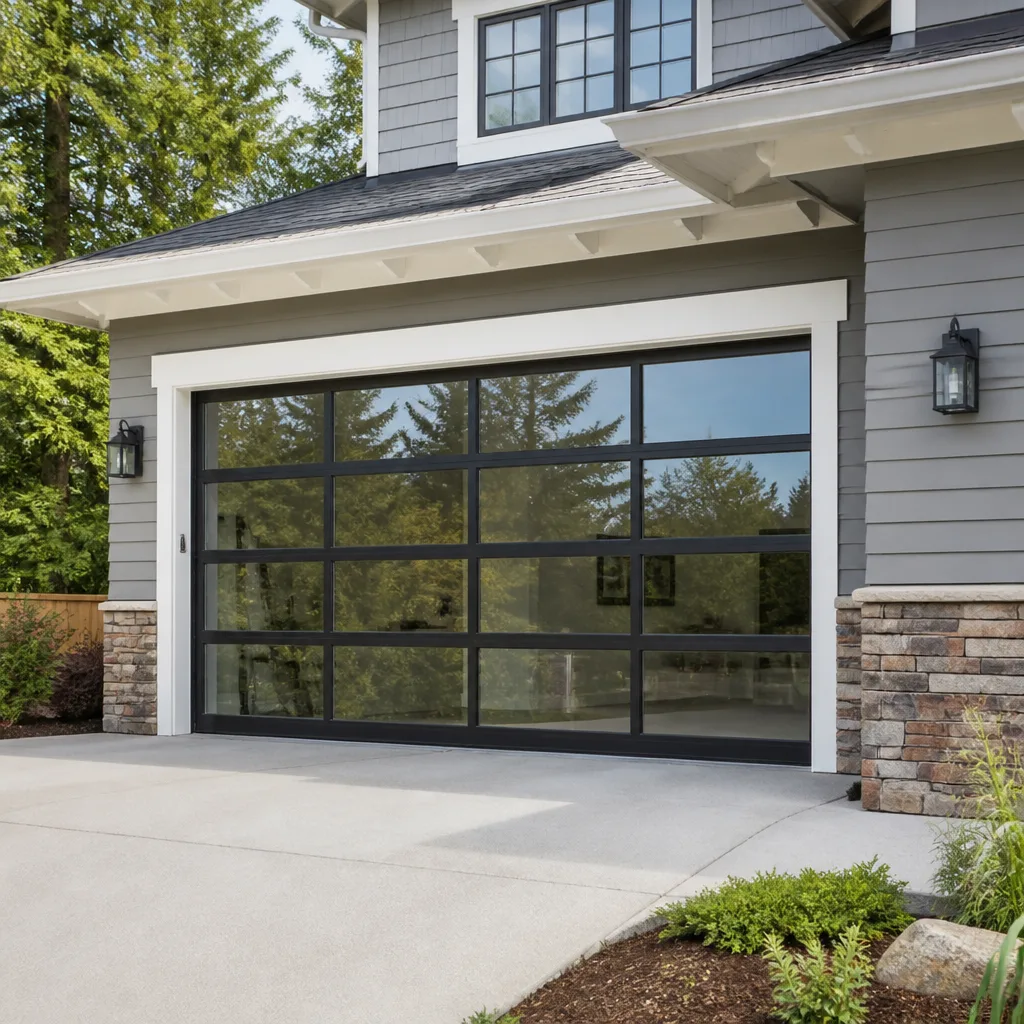 Full-view glass
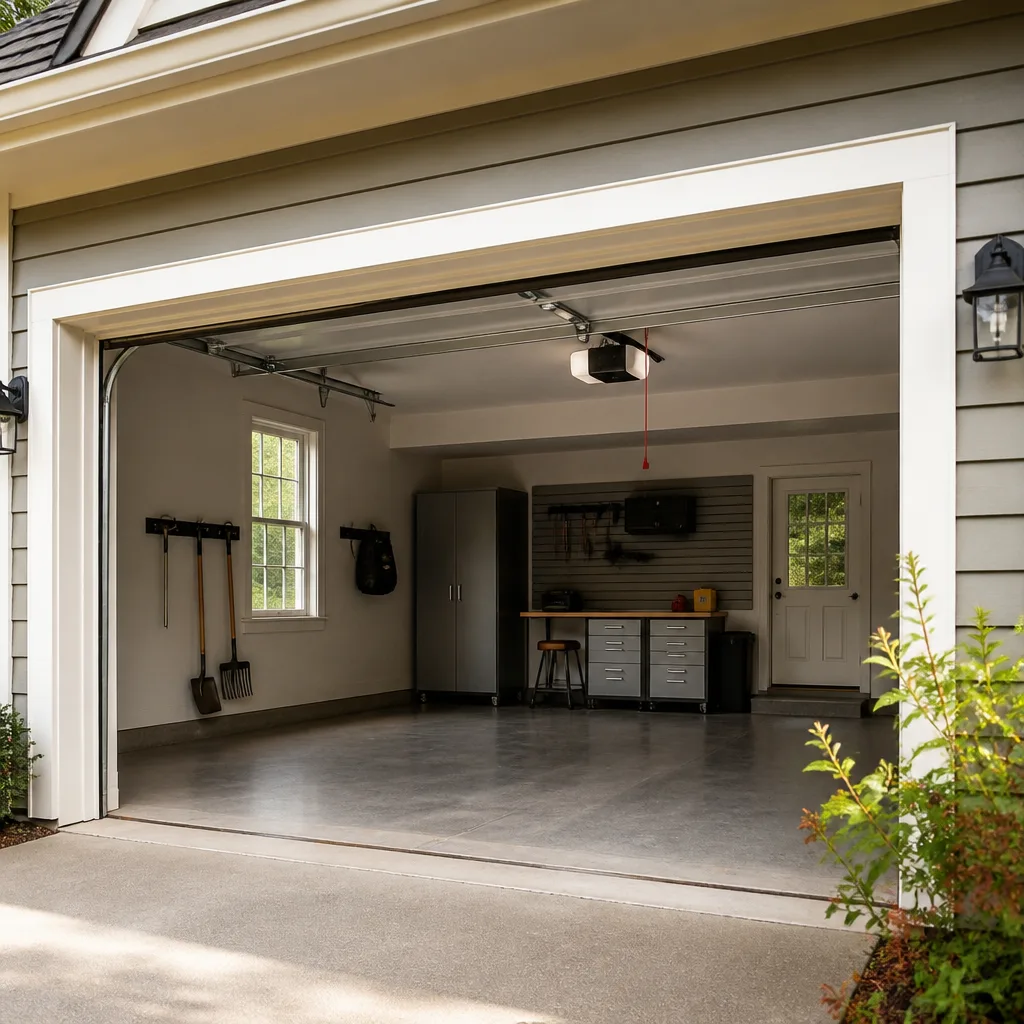 LiftMaster openers
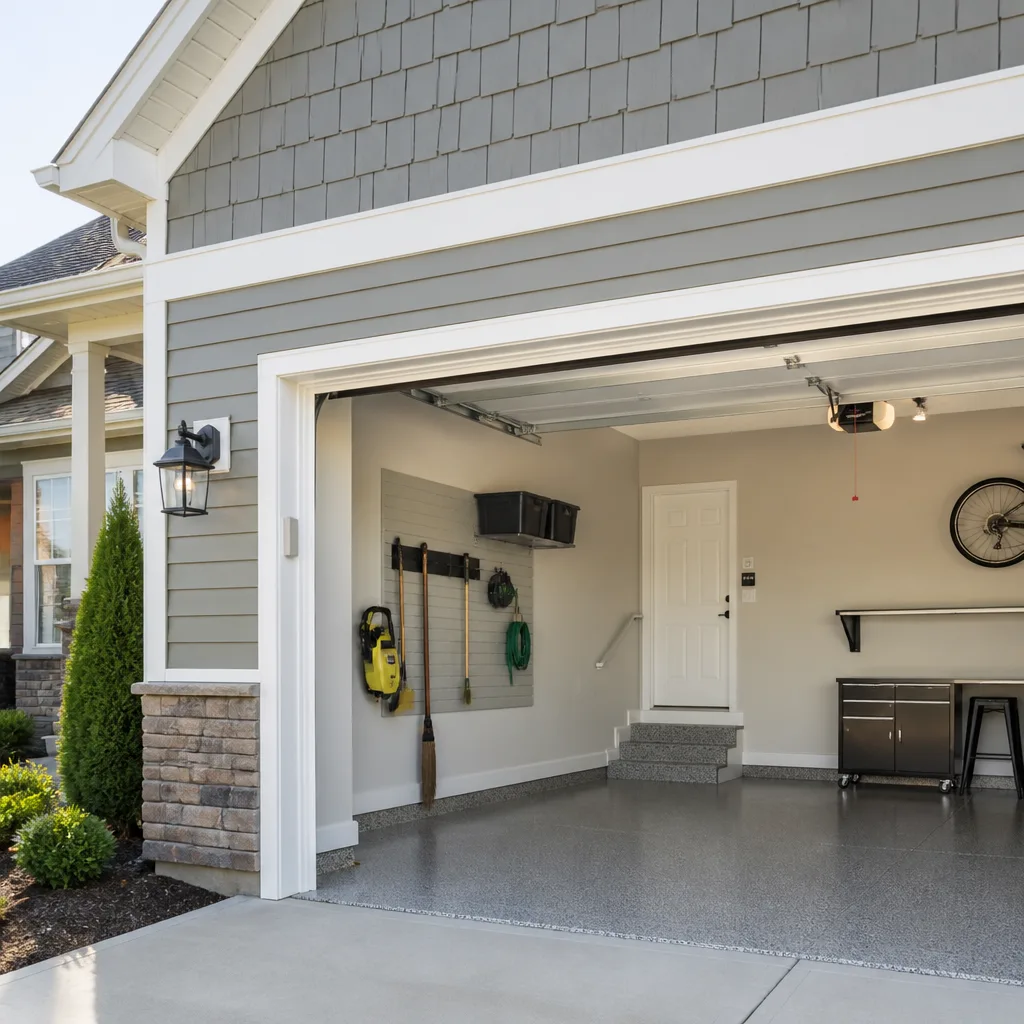 Chamberlain openers
Full 25-point door and opener safety check with every visit - springs, cables, rollers, tracks, and your LiftMaster or Chamberlain opener included
You get a price before we start. It does not change when the pro arrives.
Get your free estimateGarage Door Repair Maintenance Checklist for Greenwich Village Homeowners
Most garage door maintenance advice is written for a house with a driveway, a two-car garage and maybe six door cycles a day. Greenwich Village isn’t that place. Here, a ground-floor or basement-level garage door opens for every trip out, because street parking means the car lives inside and leaves constantly. That stop-and-go pattern can push cycling two to three times higher than a suburban home, and torsion springs that might last years elsewhere can wear out far sooner. This checklist is calibrated to what actually fails in Greenwich Village, and when. You’ll learn cycle-count math, a seasonal schedule built around real local stressors, and the quarterly checks most guides skip.
Quick Answer
The core of a Greenwich Village garage door maintenance routine is a quarterly inspection of springs, cables, tracks and hardware, a monthly opener and safety-reverse test, and an honest cycle count so you know when to expect spring wear. Because urban use means more open-and-close cycles per day, springs and rollers age faster here than in the suburbs, so track your cycles and inspect on a fixed schedule rather than waiting for something to break.
Styles & brands we work with
- Raised-panel steel
- Carriage house
- Modern flush
- Full-view glass
- LiftMaster openers
- Chamberlain openers
Table of Contents
- The Cycle-Count Math: How Fast Your Door Really Wears in Greenwich Village
- Spring Inspection: The Part You Never Touch Yourself
- Salt, Slush and Ground-Floor Garages: The Winter Checklist
- Subway Vibration and Your Tracks: The Quarterly Check Most Guides Skip
- Opener Logic Boards and Wall Buttons in Older Buildings
- A Month-by-Month Schedule for Greenwich Village
- Know Your Opener, Know Your Door: Brand-Specific Maintenance
- What’s Safe to Do Yourself and What Isn’t
The Cycle-Count Math: How Fast Your Door Really Wears in Greenwich Village
A garage door’s working life is measured in cycles, not calendar years. One cycle is one full open plus one full close. Springs, rollers, hinges and cables all wear by the same clock. The trick is that the clock runs faster in a dense neighborhood where the door is the front door for a car that has to move several times a day.
Here’s how to estimate your real wear rate:
- Count your daily cycles. For one typical day, tally every time the door goes fully up and fully down. A home where someone drives out in the morning, returns at lunch, leaves again, and comes back at night is already at eight cycles before anyone runs an errand.
- Multiply for the week. Eight cycles a day across seven days is 56 cycles a week. Add weekend trips and you’re looking at a door that cycles two to three times more than a suburban one that opens once or twice daily.
- Annualize it. Fifty-six cycles a week is roughly 2,900 cycles a year. That number is what wears your hardware, not the birthdate on the door.
- Write it down. Keep a small log taped inside the garage. When a technician visits, the log tells them more about your system’s condition than a visual scan alone.
In Greenwich Village, this math matters because stop-and-go street access turns garage doors into high-cycle machines. A door that opens for every departure wears its springs, cables and rollers on an urban schedule. Knowing your cycles tells you when to inspect proactively instead of reacting to a failure on a busy morning.
Spring Inspection: The Part You Never Touch Yourself
Torsion springs store enormous tension. When one lets go, it releases that energy instantly, and it’s one of the most dangerous parts of the whole system to be near, let alone adjust. A trained technician handles spring repair and replacement; a homeowner inspects from a safe distance and reports what they see. If you ever hear a sharp bang from the garage, stop using the door and call a professional.
What a safe spring check looks like:
- Visual only, from the floor. Look up at the springs above the door. You’re checking for a visible gap in the coil, a stretch where there shouldn’t be one, or a loose winding.
- Listen. A door that bangs, creaks in a new way, or groans as it moves is signaling wear. Sound changes before metal fails.
- Watch the balance. Open the door partway by hand only if your opener is disconnected and the door is light enough to lift safely. A properly balanced door stays put around waist height. One that crashes down or drifts up needs attention.
- Log the gap. Note any visible break and the date. If a broken spring is suspected, don’t run the opener, since it will strain the motor and cables trying to lift a door the springs can no longer help carry.
Because urban doors cycle more, springs here can reach the end of their service life sooner than the suburban timelines you’ll read online. If you don’t know your door’s history, treat a spring inspection as a priority item and let a technician set a realistic replacement interval. When a spring does fail, our garage door repair team handles it in-house rather than passing it off, since general handyman work doesn’t cover this kind of tension system.
Salt, Slush and Ground-Floor Garages: The Winter Checklist
When winter road treatment goes down, cars track it straight into ground-floor and basement garages, and the resulting salt and slush spray settles on the bottom of your door, the tracks, and every hinge and roller down low. Left alone, that mix of salt and moisture is hard on painted steel and on the moving parts nearest the floor. This is a checklist item specific to urban garages that open directly onto treated streets.
Winter-specific tasks:
- Wipe the bottom section weekly. A damp cloth on the lower panel and the bottom seal removes the salt film before it sits. Dry it after.
- Check the bottom weather seal. The seal at the floor is the first thing salt spray reaches. A cracked or stiff seal lets in slush and cold air; replace it when it stops flexing.
- Clean and lubricate low hardware. Hinges, rollers and the lowest track section take the most spray. A garage-door lubricant on the moving parts keeps them from seizing in the cold.
- Look for rust at the panel seams. Salt accelerates corrosion anywhere paint has chipped. Touch up bare spots before the season deepens.
- Keep the floor drain clear. Melting slush needs somewhere to go. A blocked drain puts standing water against the bottom of the door.
Because Greenwich Village garages often sit at street level, this is one of the highest-value seasonal routines you can run. It won’t stop every winter problem, but it slows the wear that salt and moisture drive.
Subway Vibration and Your Tracks: The Quarterly Check Most Guides Skip
If your building sits near a subway line, you already feel the rumble through the floor. That same vibration works on your garage door’s hardware constantly, and it’s the check most maintenance guides leave out entirely. Bolts loosen, tracks drift a few millimeters out of plumb, and rollers shift in their brackets, and none of it announces itself until the door starts binding.
Run this check every quarter:
- Look for vertical track alignment. Stand back and sight down each vertical track. It should look straight and parallel to the door edge. A track that visibly leans or bows is pushing the rollers off their line.
- Feel for loose brackets. With the door closed, gently press the track brackets and hinges. Any movement or rattle points to a fastener that has loosened.
- Listen during operation. A door that runs smoothly, then suddenly grinds or shudders at one spot, is telling you a track or roller has shifted. Note where in the travel it happens.
- Check the horizontal tracks and the opener rail. Vibration loosens the ceiling-mounted rail too. A rail that sags or rattles changes how the opener pulls the door.
- Record what you find. If tracks are out of alignment or bolts are loose beyond a light snug, let a technician re-torque and realign. Forcing a binding door strains the opener and the springs.
For Greenwich Village buildings close to the line, quarterly is the right cadence. Yearly is too slow when vibration is working on the hardware every day. This single habit heads off a lot of “the door suddenly stopped working” calls.
Opener Logic Boards and Wall Buttons in Older Buildings
Older Greenwich Village buildings often have electrical systems that weren’t designed for modern openers, and inconsistent grounding shows up as flaky behavior: a wall button that works sometimes, a remote that has to be pressed twice, an opener that resets itself. Before you assume the opener is failing, check the simple things. A logic board that’s being fed unstable power or a loose connection will behave exactly like a dying unit.
Monthly opener checklist:
- Test the wall button and each remote. Every control should operate the door on the first press. A button that only works sometimes points to a wiring or connection issue.
- Run the safety-reverse test. Place a solid object in the door’s path and confirm the door reverses on contact. This is the single most important safety check on any opener.
- Check the safety eyes. The photo-eye sensors near the floor should be clean, aligned and unobstructed. Salt film, dust and a bumped bracket all cause false stops.
- Watch for reset behavior. An opener that loses its travel limits or forgets its remotes may have a power or board issue rather than a mechanical one.
- Note the brand and model. Knowing whether you own a LiftMaster or a Chamberlain unit (both part of the myQ ecosystem) or a legacy Craftsman or Genie opener tells a technician where to look first.
Our garage door opener repair work covers both legacy units and smart-home-integrated systems, so a flaky wall button in an old building gets diagnosed rather than guessed at.
A Month-by-Month Schedule for Greenwich Village
Generic advice tells you to service your door “in spring and fall.” That schedule ignores what actually stresses a door here: heavy winter road-treatment season, humid summers, and year-round high cycling. Map your tasks to the real stressors instead.
- January – February: Peak salt and slush season. Weekly wipe-down of the bottom panel and seal, lubricate low hardware, watch for rust at seams, keep the drain clear.
- March: Transition month. Deep-clean the tracks and rollers after winter, inspect the bottom seal for damage from the cold, and check for salt-driven corrosion.
- April – May: Full quarterly inspection. Sight down the tracks after a winter of vibration and freeze-thaw, test the safety reverse, check spring condition, and run your cycle log.
- June – August: Humidity season. Lubricate hinges and rollers, check that the door isn’t swelling or binding in damp air, and confirm the opener’s sensors aren’t fogged or dirty.
- September: Pre-winter prep. Test balance, inspect cables and springs, tighten any hardware loosened over the year, and confirm the weather seal will hold through the cold.
- October – November: Get ahead of road-treatment season. Clean and lubricate everything, touch up bare metal, and replace a worn bottom seal before slush arrives.
- December: First salt exposure. Resume the weekly bottom-panel wipe and watch for the first signs of winter wear.
- Every quarter, all year: The subway-vibration track check, no matter the season.
Following this rhythm in Greenwich Village keeps you ahead of the local stressors instead of chasing failures. A door that gets this schedule tends to fail less often and less suddenly.
Know Your Opener, Know Your Door: Brand-Specific Maintenance
Different brands fail in different ways, and knowing yours helps you spot trouble early. We work on the brand you already have, and our technicians are trained across eight major brands, including LiftMaster, Chamberlain, Genie, Clopay, Amarr, Wayne Dalton, Craftsman and Raynor. That range covers the vast majority of doors and openers in residential use, so a maintenance visit doesn’t stall on brand unfamiliarity.
What brand knowledge buys you:
- Opener-specific checks. Smart-home-integrated systems like the LiftMaster and Chamberlain/myQ ecosystem have their own sensor and connectivity quirks. Legacy Craftsmans and Genies behave differently. Knowing the unit tells a technician what to test first.
- Door-panel materials. Clopay, Amarr, Wayne Dalton and Raynor doors each age in their own way. A steel panel, a wood-look composite and an insulated door all have different care needs.
- Matching parts. When a roller, hinge or seal needs replacing, brand knowledge means the right part the first time rather than a return trip.
The principle is simple: know your opener, know your door. Check the label on the opener head and the door’s manufacturer stamp, write both in your log, and your maintenance becomes more targeted. When a brand-specific issue does come up, our garage door installation and service teams work from the same brand knowledge.
What’s Safe to Do Yourself and What Isn’t
A good maintenance routine separates the low-risk checks you can run from the jobs that belong to a trained technician. Getting that line right protects you and keeps the door working longer. The distinction is about stored energy: anything holding tension deserves respect.
Safe for a homeowner:
- Visual inspection of springs, cables and tracks from a distance
- Wiping down panels and the bottom seal
- Lubricating hinges, rollers and moving parts
- Testing the safety-reverse feature and cleaning the photo-eye sensors
- Logging cycles and noting sounds or behavior changes
- Checking the opener label and wall-button function
Leave to a professional:
- Spring adjustment or replacement, which involves high tension
- Cable work, since cables are under load and can injure
- Track realignment and re-torquing hardware that has drifted
- Opener logic-board diagnosis and electrical troubleshooting
- Any job where the door is binding, crashing or off balance
If a check reveals something on the professional list, don’t push the door to see what happens. Stop, note it, and book a technician. For anything pressing, a call to Garage Door Repair Greenwich Village gets it looked at.
Common Mistakes to Avoid
- Treating the door like a suburban one. Assuming a low-cycle schedule in a high-cycle urban garage means you inspect too rarely. Track your cycles and adjust the cadence upward.
- Ignoring the bottom of the door in winter. Salt and slush settle low, and the panel and seal nearest the floor take the most abuse. Skip the weekly wipe and corrosion gets a head start.
- Never checking for vibration-driven misalignment. If your building rumbles from the subway, your tracks and bolts move with it. A quarterly sight-down the tracks catches drift before it becomes a binding door.
- Blaming the opener for a wiring problem. In older buildings, a flaky wall button often points to connections or grounding, not a dead unit. Diagnose the control side before replacing an opener.
- Running the opener on a broken spring. Forcing a motor to lift a door the springs can no longer carry strains the opener and cables. Stop and call when a spring lets go.
- Lubricating with the wrong product. Grease attracts grit and dust in a street-level garage. Use a garage-door-specific lubricant and apply it lightly.
- Skipping the safety-reverse test. It’s the most important safety feature on the whole system, and it’s a five-minute check. Test it monthly.
See the difference
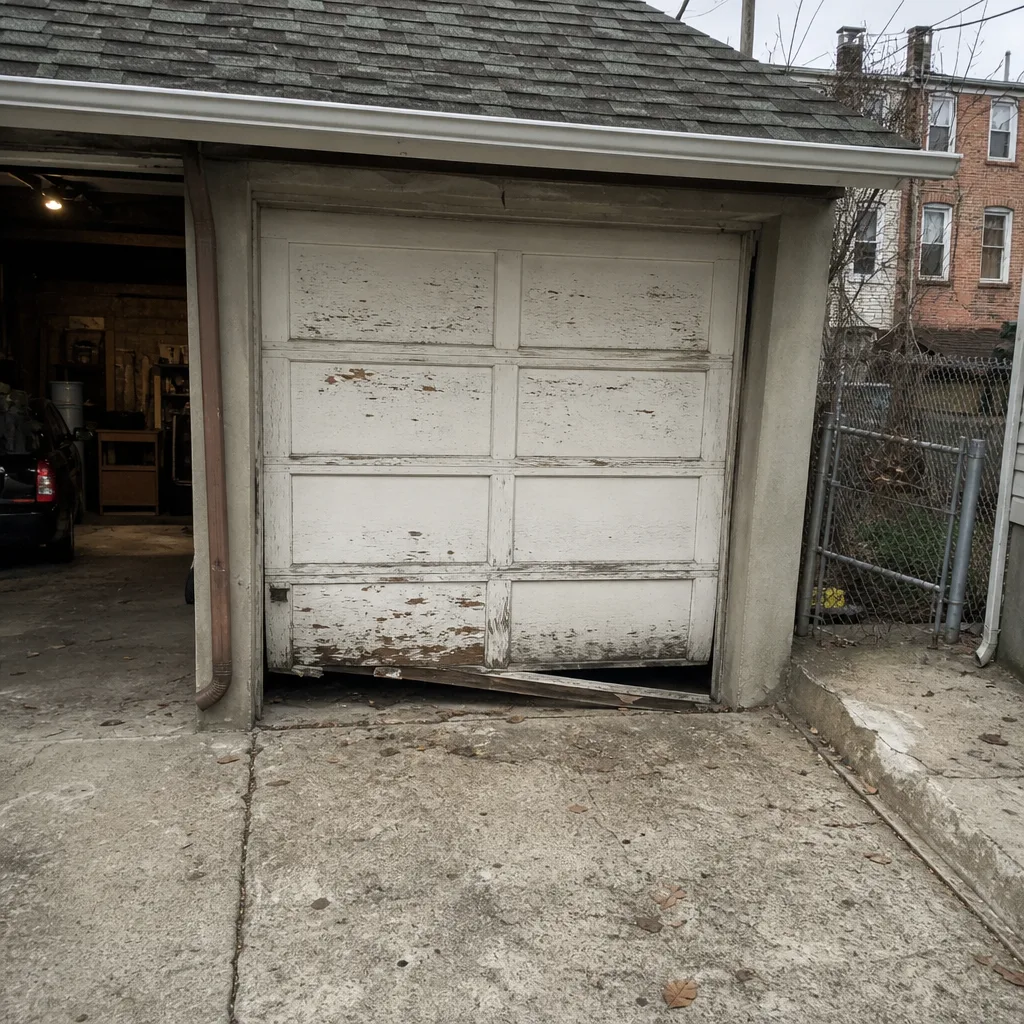 Before
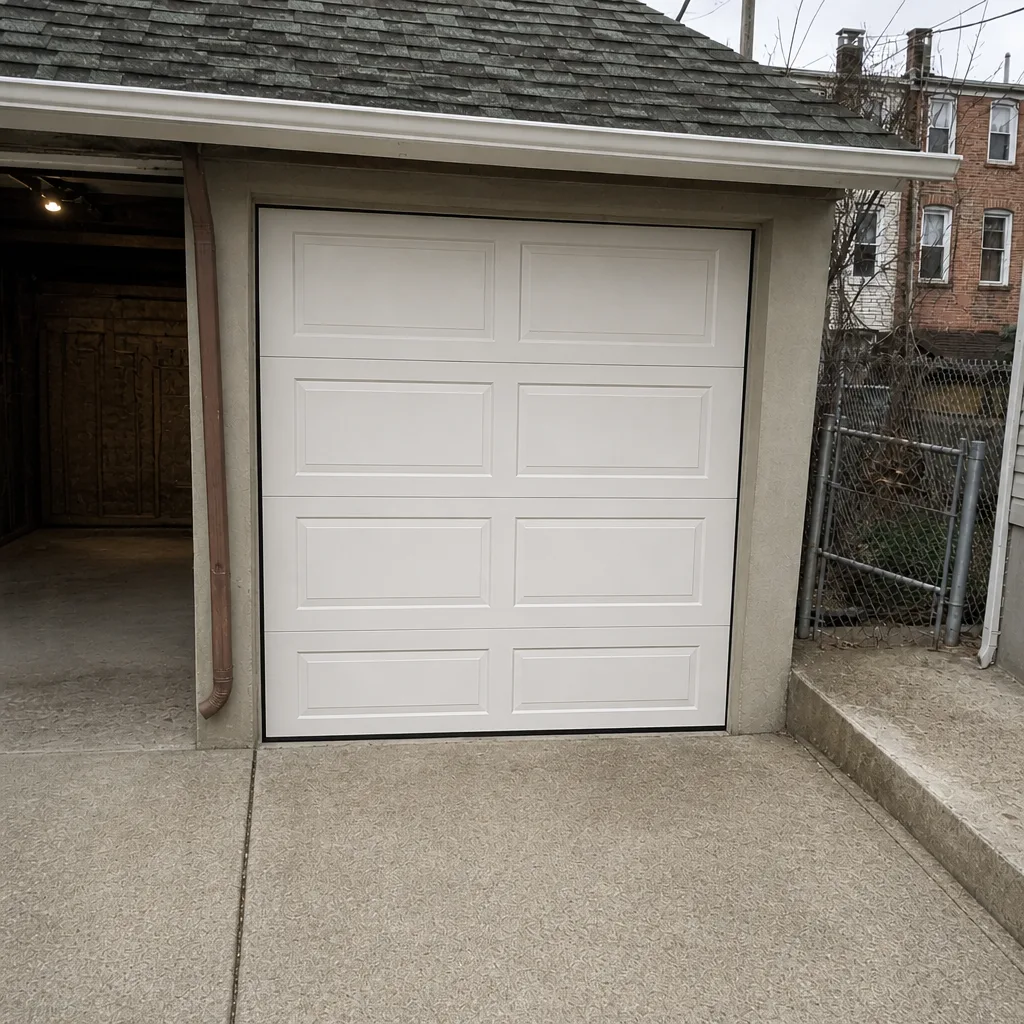 After
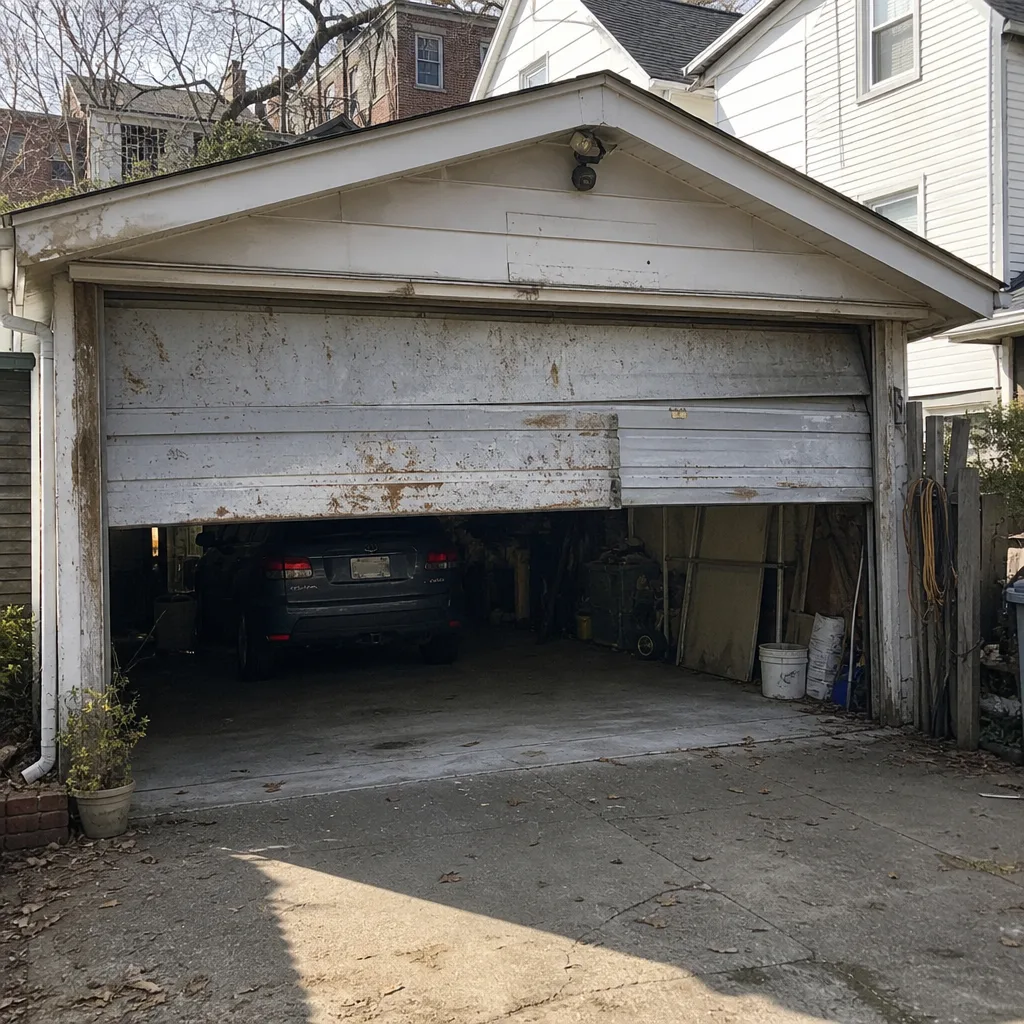 Before
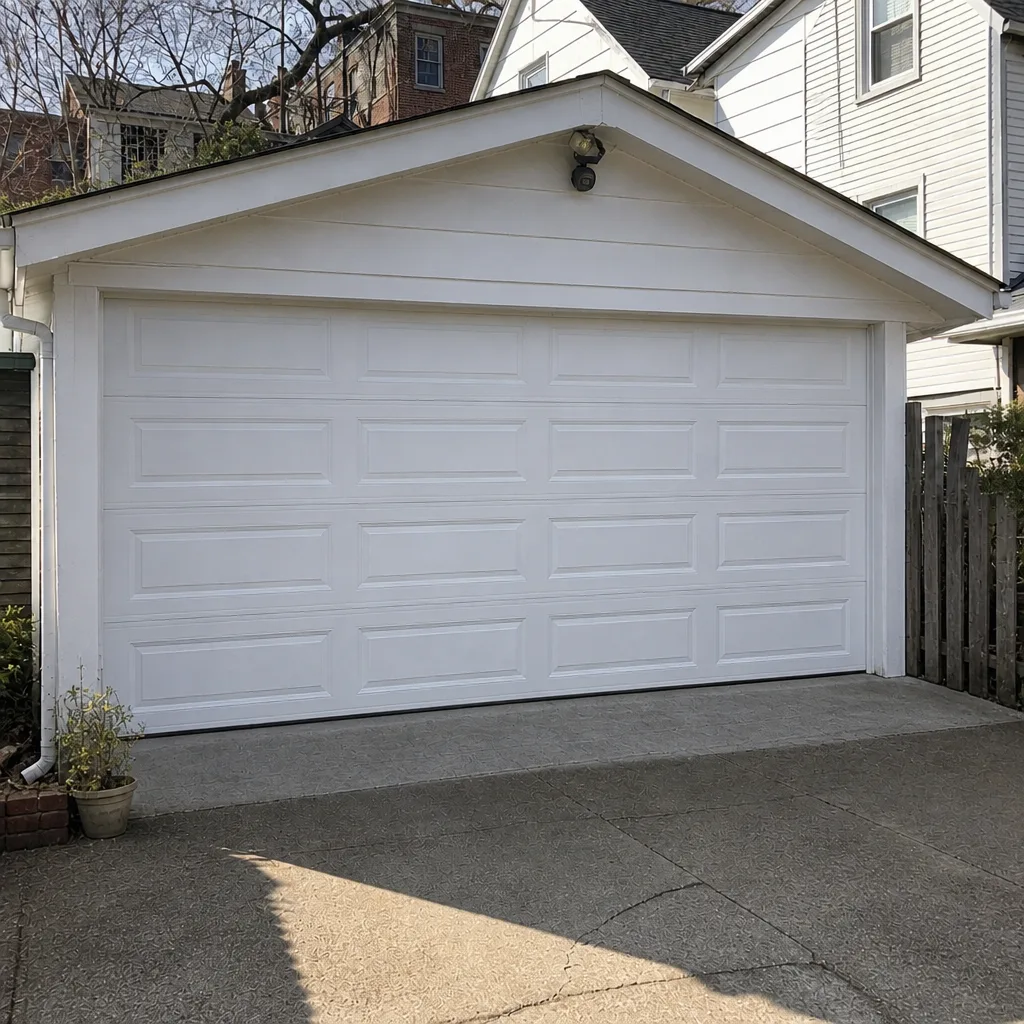 After
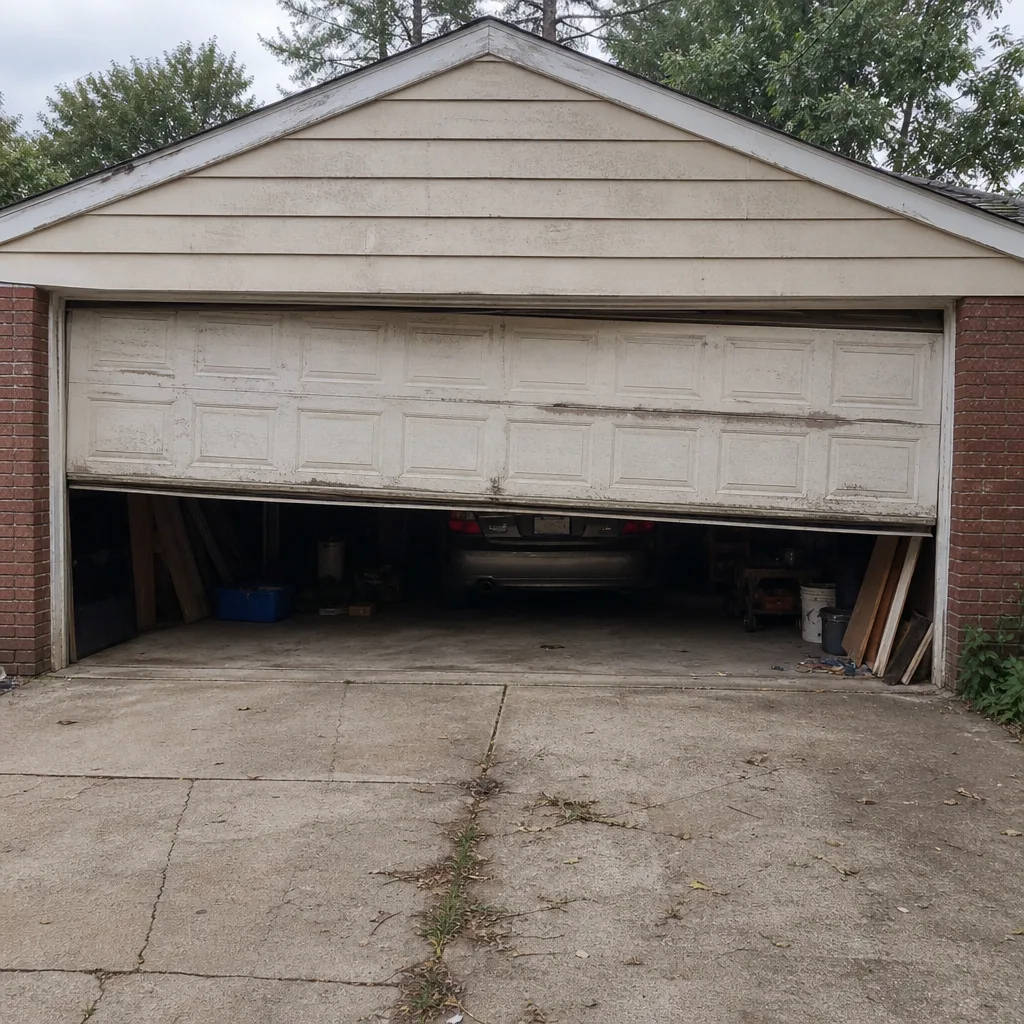 Before
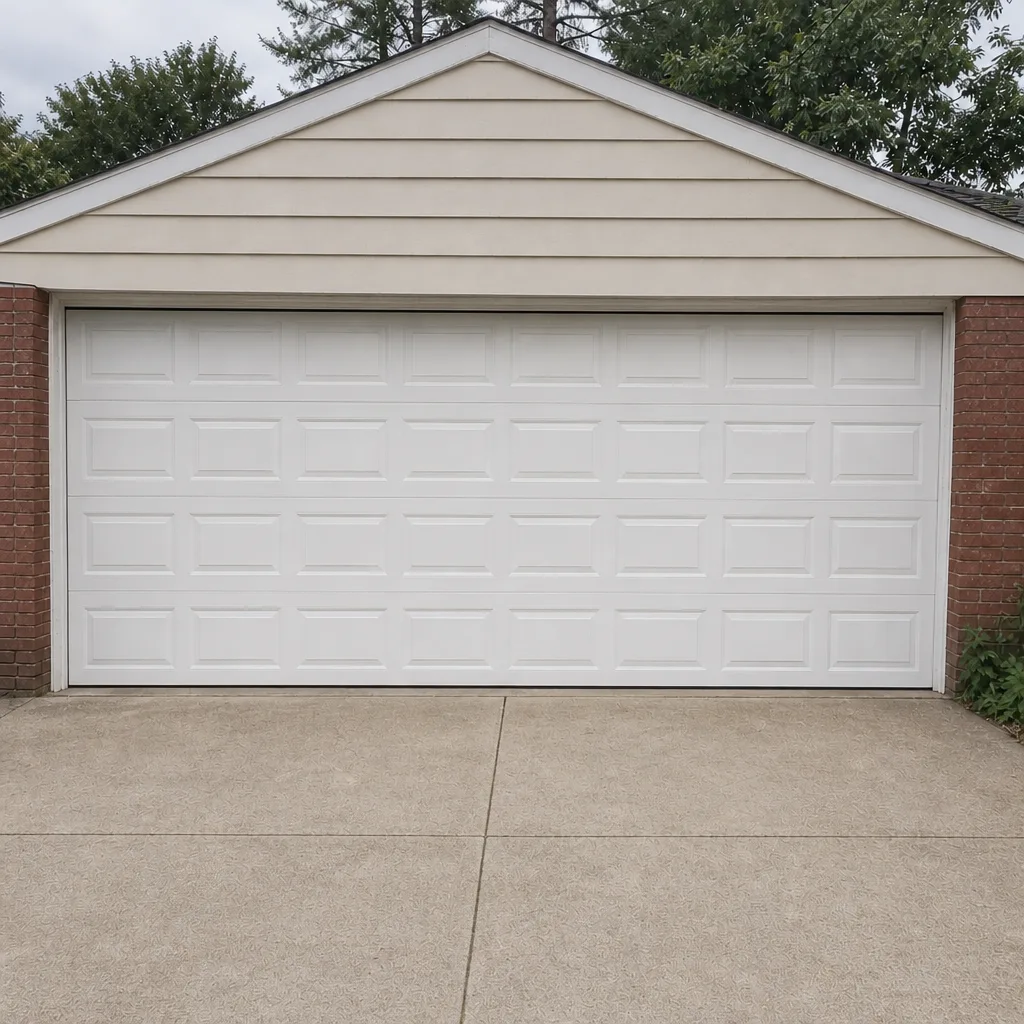 After
When to Call a Professional
Call when the door stops working safely. That means a snapped or visibly broken spring, a door stuck half-open or half-closed, a cable that’s come off its drum, or a door that crashes down instead of holding. It also means a track that’s visibly bent, a garage that won’t secure because the door won’t close, and any opener that’s making repeated reset attempts or won’t respond to its controls. If your quarterly checks turn up loose hardware you can’t safely snug, or balance problems you can’t correct, that’s a professional call too. Garage Door Repair Greenwich Village offers free estimates in Greenwich Village. We answer 24/7, and fast dispatch runs from 7am to 7pm, Sunday through Friday. Call (844) 395-2808 and we’ll take a look.
Frequently Asked Questions
Inspect it quarterly and lubricate monthly in a high-usage urban garage. Because doors here cycle far more than suburban ones and take year-round salt, vibration and humidity, a quarterly cadence with a monthly safety test and winter wipe-downs keeps you ahead of wear. If you don’t know your door’s history, start with a full inspection and let a technician set the schedule.
Watch for a visible gap in the coil, a new bang when the door operates, or a door that won’t hold its position when opened partway. In a high-cycle Greenwich Village garage, springs can reach the end of their service life sooner than the suburban timelines suggest, so track your cycles and let a technician judge the springs. Never adjust or replace a torsion spring yourself; call (844) 395-2808 for a spring inspection.
Yes. Buildings near the line feel a constant rumble that loosens bolts and nudges tracks out of alignment over time. Sight down your vertical tracks quarterly, feel for rattling brackets, and listen for new grinding during operation. Catching drift early prevents a binding door and saves strain on the opener.
A door stuck open is a security problem, so treat it as urgent. Call (844) 395-2808. We answer 24/7, and fast dispatch runs from 7am to 7pm, Sunday through Friday. A call outside dispatch hours is booked into the next opening. Same-day service is often possible, and the price is set per job by a written estimate before any work starts.
Intermittent wall-button behavior usually points to wiring, connections or grounding rather than a failing opener, especially in older buildings. Check each control and note whether the issue is consistent. If it persists, our opener repair team works on both smart-home-integrated LiftMaster and Chamberlain systems and legacy Genie and Craftsman units.
You can safely wipe down panels and seals, lubricate hinges and rollers, test the safety-reverse feature, clean the photo-eyes, and log your cycles and sounds. Springs, cables, track realignment and electrical diagnosis should go to a trained technician, since those involve stored tension or building wiring. When in doubt, describe what you see and let a professional decide.
The Bottom Line
Garage door maintenance in Greenwich Village is different because the usage is different. High cycling wears springs and hardware faster, street-level garages take salt and slush every winter, subway vibration works on tracks and bolts year-round, and older electrical systems make opener diagnosis a wiring question as much as a motor one. Track your cycles, run quarterly inspections, keep the winter checklist going, and test the safety reverse every month. Know your brand so maintenance is targeted. When something lands on the professional side of the line, or an emergency hits, stop and call (844) 395-2808 for a free estimate. We answer 24/7, and fast dispatch runs from 7am to 7pm, Sunday through Friday.
Written by the team at Garage Door Repair Greenwich Village.