
Last updated November 21, 2026
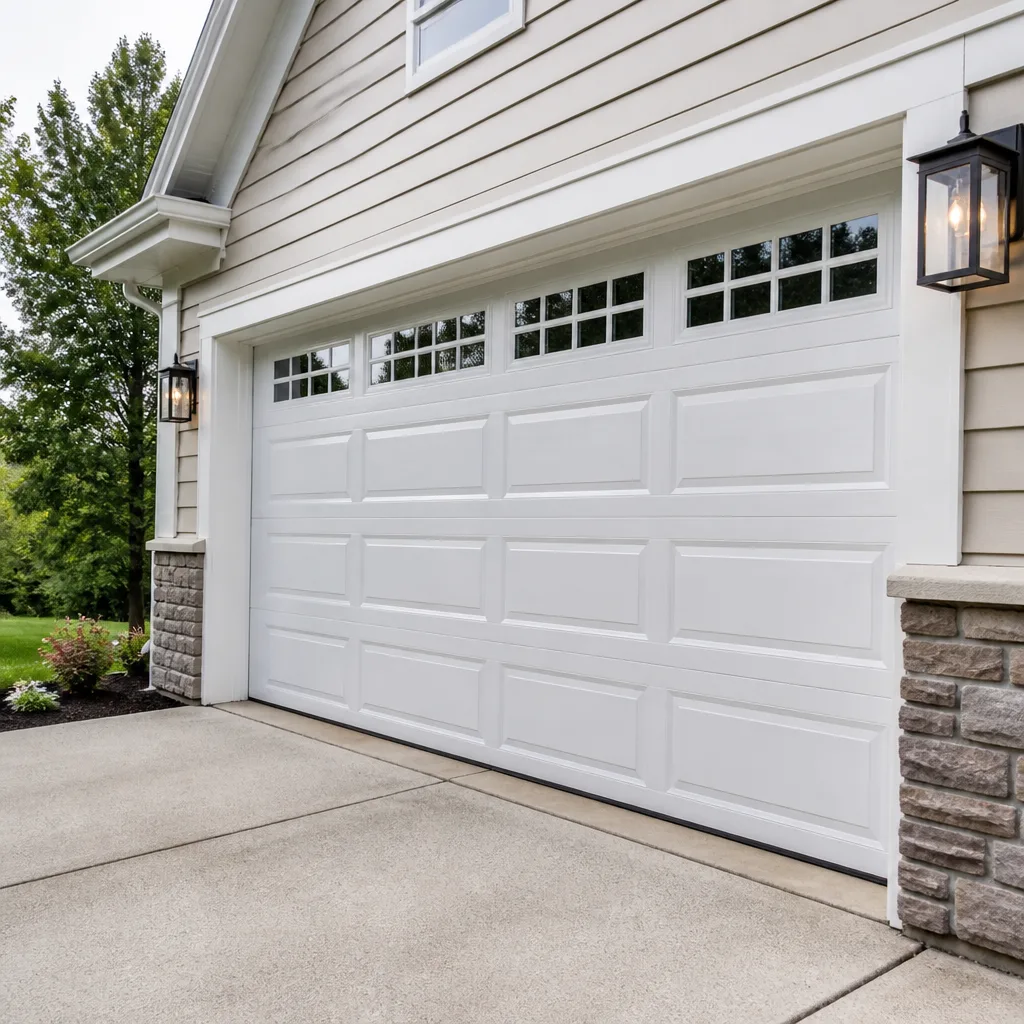 Raised-panel steel
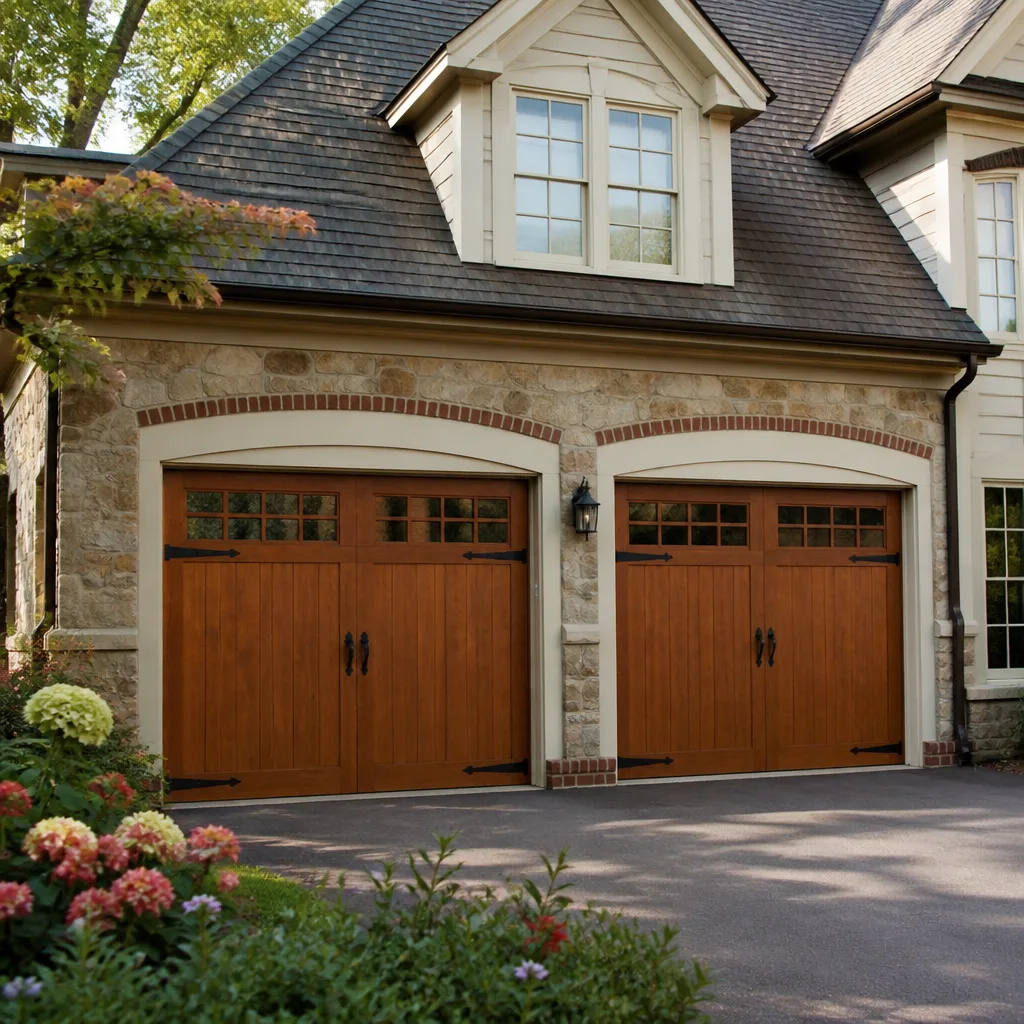 Carriage house
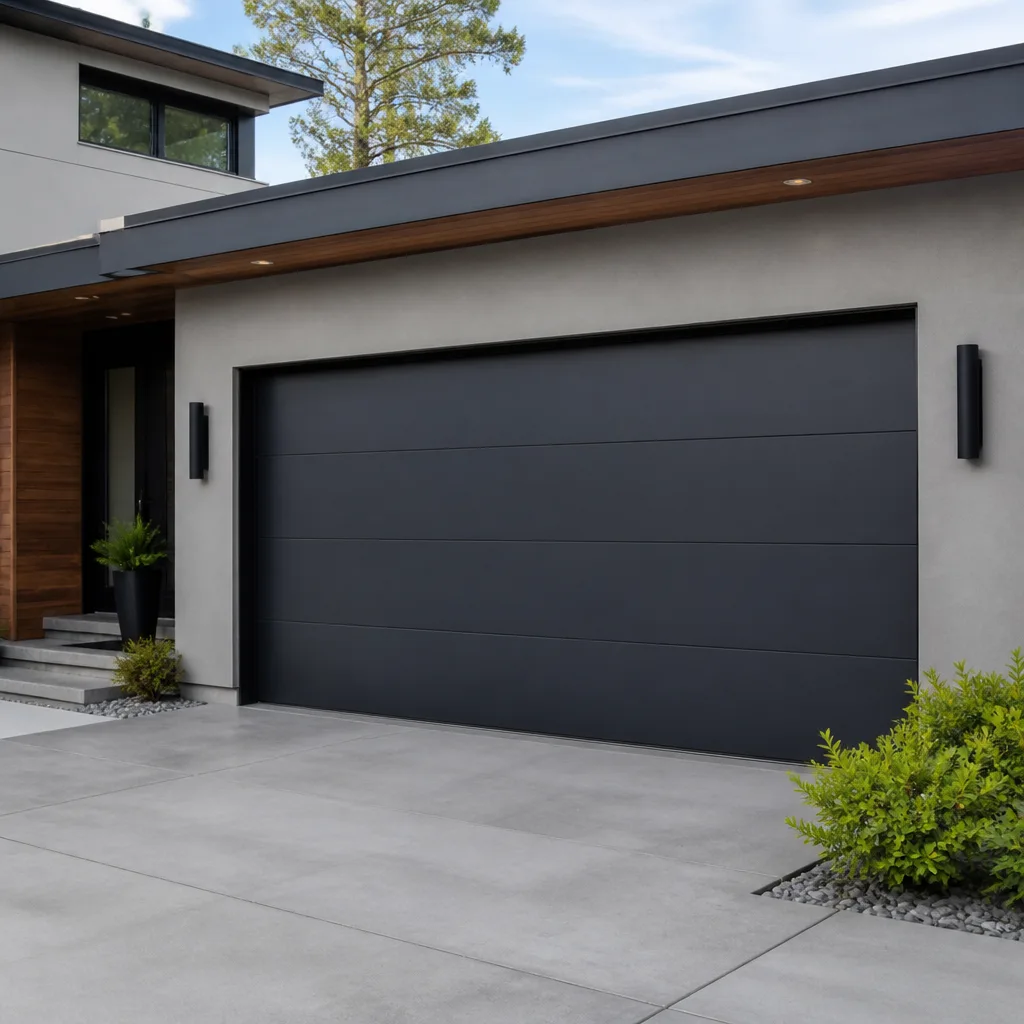 Modern flush
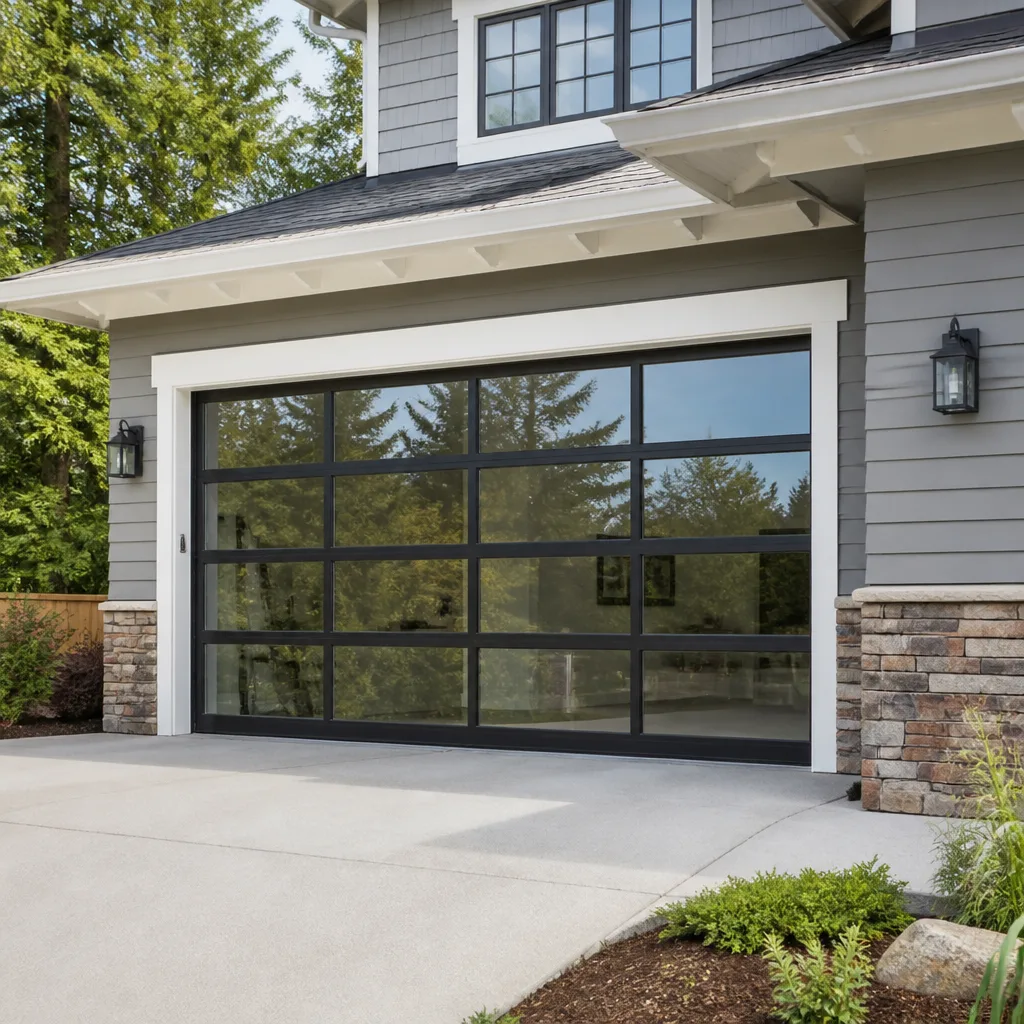 Full-view glass
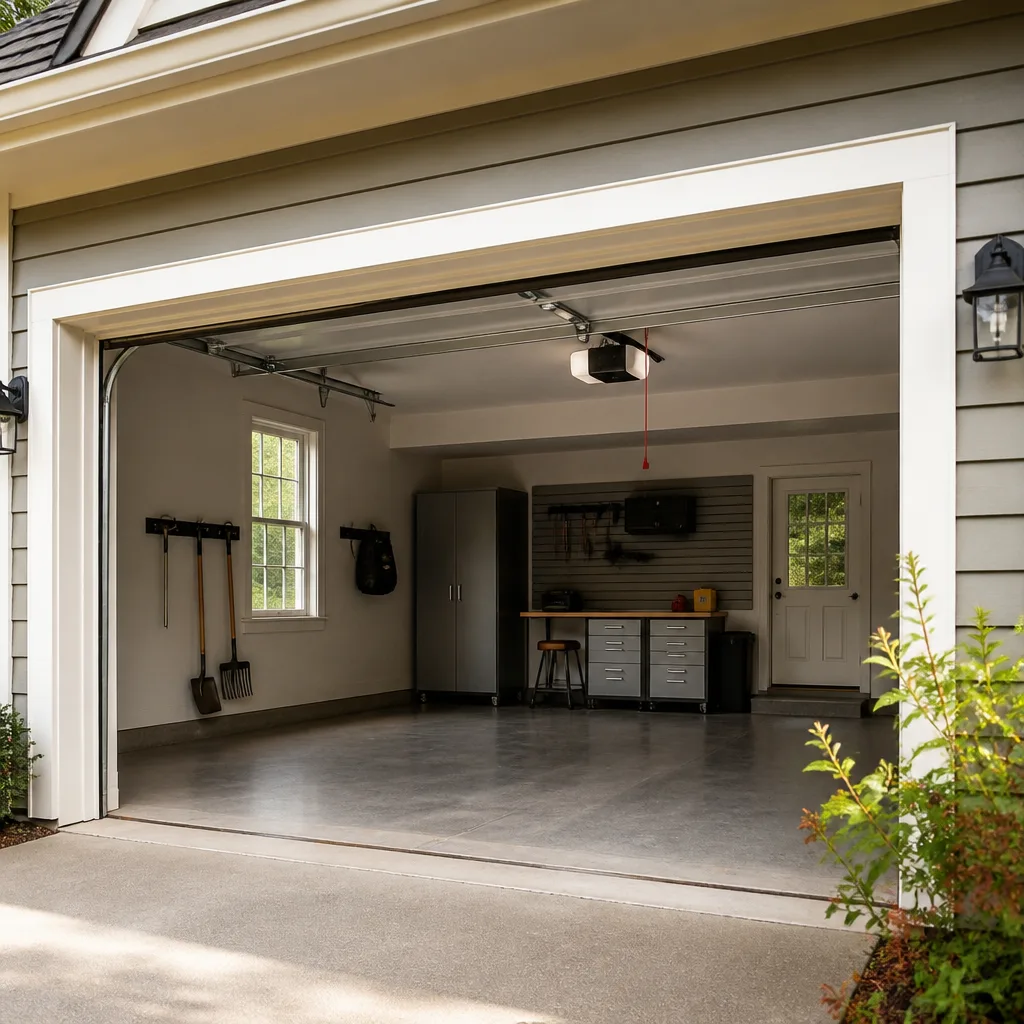 LiftMaster openers
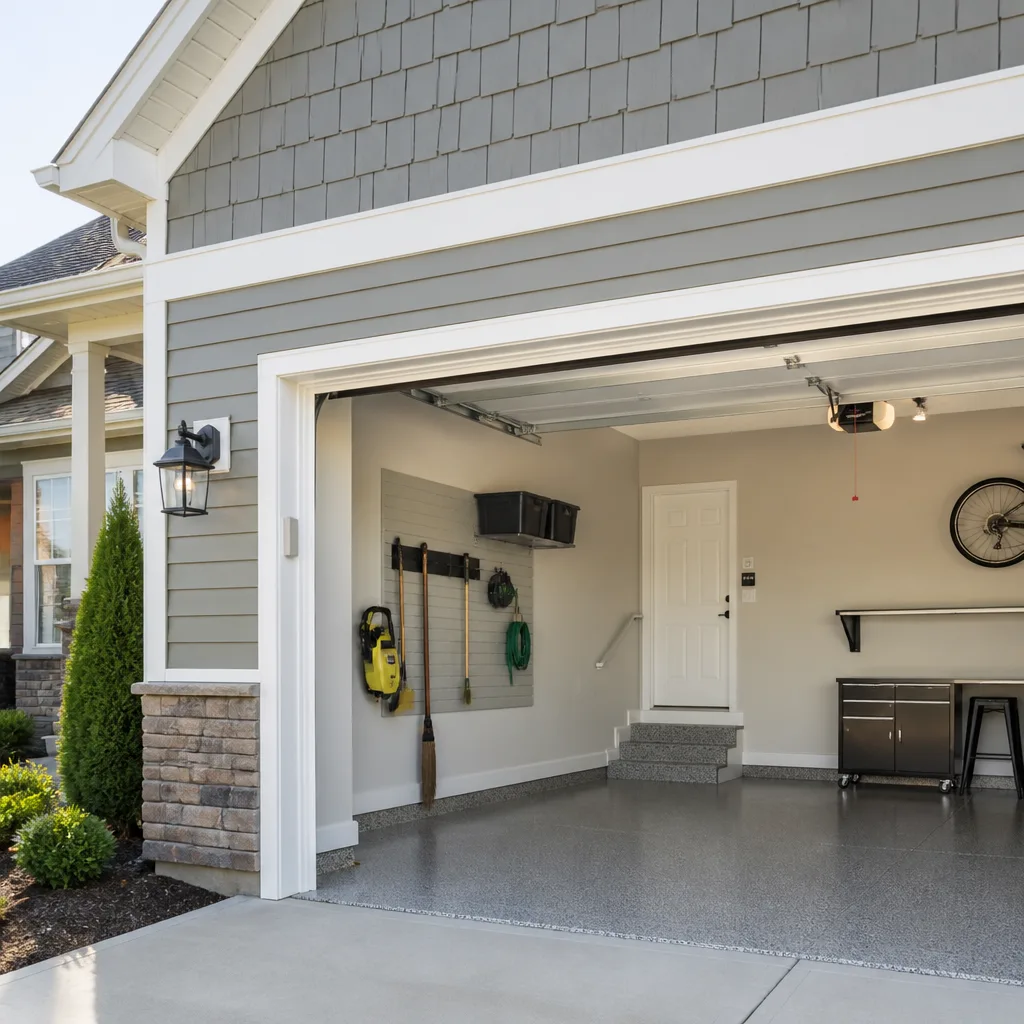 Chamberlain openers
Full 25-point door and opener safety check with every visit - springs, cables, rollers, tracks, and your LiftMaster or Chamberlain opener included
You get a price before we start. It does not change when the pro arrives.
Get your free estimateGarage Door Cost Breakdown: The Greenwich Village Homeowner’s Reference for 2026
The national average for a garage door replacement sits around $1,200. In Greenwich Village, the same job routinely runs $1,800 – $2,400, and the gap has nothing to do with profit margin. It comes from parking permits for the work van, elevator fees in co-op buildings, and the two-person crew that tight alley access demands. Most pricing guides skip these realities and hand you a suburban number that never survives contact with Manhattan. This reference breaks down what garage door work actually costs in Greenwich Village in 2026, why the local premium exists, and how to tell a fair quote from an inflated one before you sign anything.
Quick Answer
Garage door repair in Greenwich Village typically runs $180 – $450 for common fixes like springs, cables, and sensors, while a full door replacement generally lands between $1,800 and $2,400 depending on material, size, and access. The 20 – 35% premium over national averages reflects urban labor logistics, custom sizing for pre-war openings, and building access costs, not contractor markup. Every price is an estimate; the written quote you receive before any work starts is the number that holds.
Styles & brands we work with
- Raised-panel steel
- Carriage house
- Modern flush
- Full-view glass
- LiftMaster openers
- Chamberlain openers
Table of Contents
- Why Garage Door Costs More in Greenwich Village
- The Labor and Logistics Line Items Few Homeowners See
- Material Costs: LPC Finishes, Custom Sizing, and Insulation
- The Real Cost of the Eight Most Common Repairs
- Repair or Replace? The Five-Year Cost Threshold
- Emergency Pricing and How to Evaluate It
- How to Read a Greenwich Village Garage Door Quote
Why Garage Door Costs More in Greenwich Village
Garage door pricing in Greenwich Village carries a consistent 20 – 35% premium over national averages. That sounds like a lot until you break it down into the three drivers that produce it. First, urban labor logistics: a van needs a parking permit, and the permit window dictates when the crew can work. Second, material sourcing: the Landmarks Preservation Commission (LPC) regulates exterior alterations in the historic district, and compliant finishes and hardware often cost more than off-the-shelf stock. Third, installation windows: in dense residential blocks, the time a crew can actually have a door open and the street accessible is measured in hours, not a full working day.
None of these are gouging. They are the real conditions of doing garage door work in one of Manhattan’s most tightly built neighborhoods, where alleys are narrow, buildings are old, and every job shares the block with residents, delivery trucks, and foot traffic. A homeowner in Greenwich Village who understands these drivers can look at a quote and see exactly where the money goes, which is the first step toward knowing whether it’s fair.
The neighborhood’s housing stock adds its own wrinkle. Many buildings here predate the standard door widths that manufacturers build to, so a door that fits a pre-war opening may need custom sizing. That’s a genuine cost, not a creative one. It also means the person quoting your job has to actually measure the opening, not just glance at it.
The Labor and Logistics Line Items Few Homeowners See
The single biggest reason a Greenwich Village garage door job costs more than the same job in the suburbs is crew size. Tight alley access, low clearances, and limited staging room often mean a two-person crew minimum even for work that one technician could handle in a driveway. That’s not padding; it’s what the physical space requires.
Here’s what typically shows up in the labor and logistics column of a local quote:
- Two-person crew requirement for door removal, installation, and spring work where the access point is narrow or shared.
- Parking permits for the work vehicle, which carry a cost and a scheduling window that affects when the job can happen.
- Elevator fees in co-op and condo buildings when materials or the old door have to move through a shared building.
- Disposal fees for old door panels, which in Manhattan means hauling rather than a curbside pickup.
- Extended setup and takedown time when the work area has to be cleared and protected before and after the job.
In our experience, these line items are where a suburban quote and a Greenwich Village quote diverge most. A homeowner comparing two estimates should ask each contractor to break out labor, access, and disposal separately. If one quote folds all of it into a single number and another itemizes, the itemized quote is easier to judge on its merits.
When the job is a straightforward repair rather than a replacement, the logistics load is lighter but not gone. A spring or cable fix on a tight-access door still benefits from a crew that knows how to work in a confined space without damaging the surrounding structure. Our technicians have up to 12 years of experience with exactly these conditions.
Material Costs: LPC Finishes, Custom Sizing, and Insulation
Material selection drives a big share of the price difference between a standard suburban replacement and one in Greenwich Village. Three factors matter most.
LPC-compliant finishes
If your building falls within a historic district, exterior alterations may need Landmarks Preservation Commission review. LPC-compliant finishes and hardware options are often more expensive than standard stock because they have to match the district’s character. Before ordering, ask your building’s managing agent and the city’s landmarks office what review, if any, applies to your door. We can’t tell you what your building requires, but we can tell you it’s worth knowing before you buy.
Custom sizing for pre-war openings
Pre-war garages and carriage-house openings in Greenwich Village were built to dimensions that don’t always match today’s standard door sizes. Custom sizing adds cost, but a door that’s forced into an opening that isn’t square will bind, wear out its tracks, and shorten the life of the opener. Measuring properly the first time is cheaper than fixing a misfit later.
Insulated doors in ground-floor units
Ground-floor garage spaces attached to living space benefit from an insulated door. Insulation adds to the material cost, but it also affects comfort and noise. For a door separating a garage from a residence in a dense neighborhood, insulation is often worth the upcharge.
Brand familiarity matters here too. We work with Clopay and other major manufacturers, which means we can match a door to your opening and your building’s requirements without guessing at availability. Knowing the brand you already have is the starting point for any material conversation.
The Real Cost of the Eight Most Common Repairs
Most garage door calls we handle in Greenwich Village are same-day problems, and most of them fall into eight categories. The ranges below are typical 2026 estimates for the Greenwich Village market. They are estimates, not fixed prices, and the written quote you receive before any work starts is the number that holds.
- Torsion or extension spring replacement: $180 – $340 per spring. A matched pair is usually replaced together, so a pair runs about twice that range.
- Cable replacement: $150 – $280 per cable, depending on access and whether the drum needs attention.
- Panel replacement: $250 – $600 for a single section, more for custom or LPC-compliant finishes.
- Opener repair: $180 – $450, depending on whether the issue is a logic board, motor, or gear assembly. LiftMaster and Chamberlain/myQ systems are common here, and we repair both.
- Track realignment or replacement: $150 – $400, higher when the door has to come down to correct a bent track.
- Safety sensor replacement: $120 – $220 for a pair, including alignment.
- Roller replacement: $100 – $200 for a full set, depending on door size.
- Bottom seal replacement: $120 – $250, more for custom widths on pre-war openings.
Two of these warrant a specific warning. Springs and cables are under high tension, and a snapped spring or a loose cable can cause serious injury if handled without the right tools and training. We handle spring repair in-house because it’s one of the most dangerous and commonly mishandled repairs in the trade. If you’re thinking about a hardware-store fix for a broken spring, don’t; call a trained professional.
For an exact price on any of these, call (844) 395-2808. Estimates are free, and the price is quoted and agreed before any work starts.
Repair or Replace? The Five-Year Cost Threshold
At some point, the cumulative cost of repairs outweighs the price of a new door. The question is where that line falls. In our experience, a door that needs three or more of the repairs above within a five-year window is usually a candidate for replacement, especially if the door is more than fifteen years old and the panels are showing wear.
Here’s a practical way to run the math:
- List every repair the door has needed in the past three years and add up what you spent.
- Estimate the repairs likely in the next two years, based on age and condition (springs, cables, and rollers usually signal their wear first).
- Add those two figures. If the total approaches or exceeds the low end of a replacement range ($1,800 – $2,400 in Greenwich Village), replacement usually wins.
- Factor in the opener. If the opener is also aging and paired with a door that needs major work, replacing both at once often costs less than addressing them separately.
There’s a comfort and safety angle too. A door that’s chronically out of alignment, noisy, or slow to respond is telling you something about the state of its springs, tracks, and hardware. Replacement isn’t always the answer, but it deserves a fair look when a door has become a recurring expense. If you’re weighing it, a garage door installation consultation can give you a written number to compare against the repair history.
Emergency Pricing and How to Evaluate It
A door stuck open at midnight, or a spring that snaps while the car is inside, is a genuine security problem. The question is what a midnight call should cost and how to tell a fair price from an inflated one. The answer is simpler than most homeowners expect: the price is set per job by the written estimate, and a reputable shop will give you that number before anyone touches the door.
When a door fails, here’s how to evaluate the response you get:
- Ask for the estimate before dispatch. A shop that can’t or won’t give you a written number is a shop to avoid.
- Ask whether the technician can identify your opener brand. LiftMaster, Chamberlain, Genie, and Craftsman all have different logic and parts, and brand fluency is a sign of real expertise.
- Check whether the repair is handled in-house. Spring and cable work should be done by the same team that diagnoses it, not referred out.
- Confirm the dispatch window. We answer 24/7, and fast dispatch runs from 7am to 7pm, Sunday through Friday. A call outside dispatch hours is booked into the next opening, Sunday through Friday, 7am to 7pm.
For an urgent failure, a same-day visit is often possible for garage door repair. The key is to get the estimate in writing before the work starts, so there are no surprises on the invoice.
How to Read a Greenwich Village Garage Door Quote
A quote you can actually evaluate itemizes its parts rather than presenting a single number. Here’s what a well-built Greenwich Village estimate should show:
- The diagnosis. What’s actually wrong, and how the technician confirmed it.
- Parts and brand. Which components are being replaced and which manufacturer they come from.
- Labor, broken out. Crew size, access needs, and time expected.
- Disposal and access costs. Old panel hauling, parking permits, or elevator fees where they apply.
- The final price and the line that it’s agreed before work starts.
For opener work specifically, a good estimate will name your system and explain whether it’s a logic board, gear, or sensor issue. We’re fluent in LiftMaster and Chamberlain/myQ systems as well as older Genie and Craftsman units, so garage door opener repair doesn’t require a second contractor call. If a quote is vague on any of these points, ask for detail before you commit.
Common Mistakes to Avoid
- Accepting a phone estimate without a measurement. Pre-war openings in Greenwich Village rarely match standard sizes, and a quote given without measuring the opening can shift once the technician sees it.
- Assuming a national average applies locally. The $1,200 figure you see online doesn’t account for parking permits, co-op elevator fees, or two-person crews, and using it as a benchmark will leave you comparing your quote to the wrong number.
- Replacing a single spring when the pair should go together. Springs wear at the same rate; replacing one and leaving the other often means a second call within months.
- Ignoring LPC review on a historic-district building. Ordering a door before checking what your building or the landmarks office requires can mean paying twice.
- Hiring a general handyman for spring or cable work. These repairs involve high tension and real injury risk, and the tools and training required aren’t part of a general handyman’s kit.
- Choosing an opener without checking brand compatibility. Your opener has to work with your door and, if you have one, your smart-home system. Knowing the brand before you buy avoids a mismatch.
- Treating the lowest quote as the best one. A quote that’s dramatically below others usually omits something, whether labor, disposal, or a required part.
See the difference
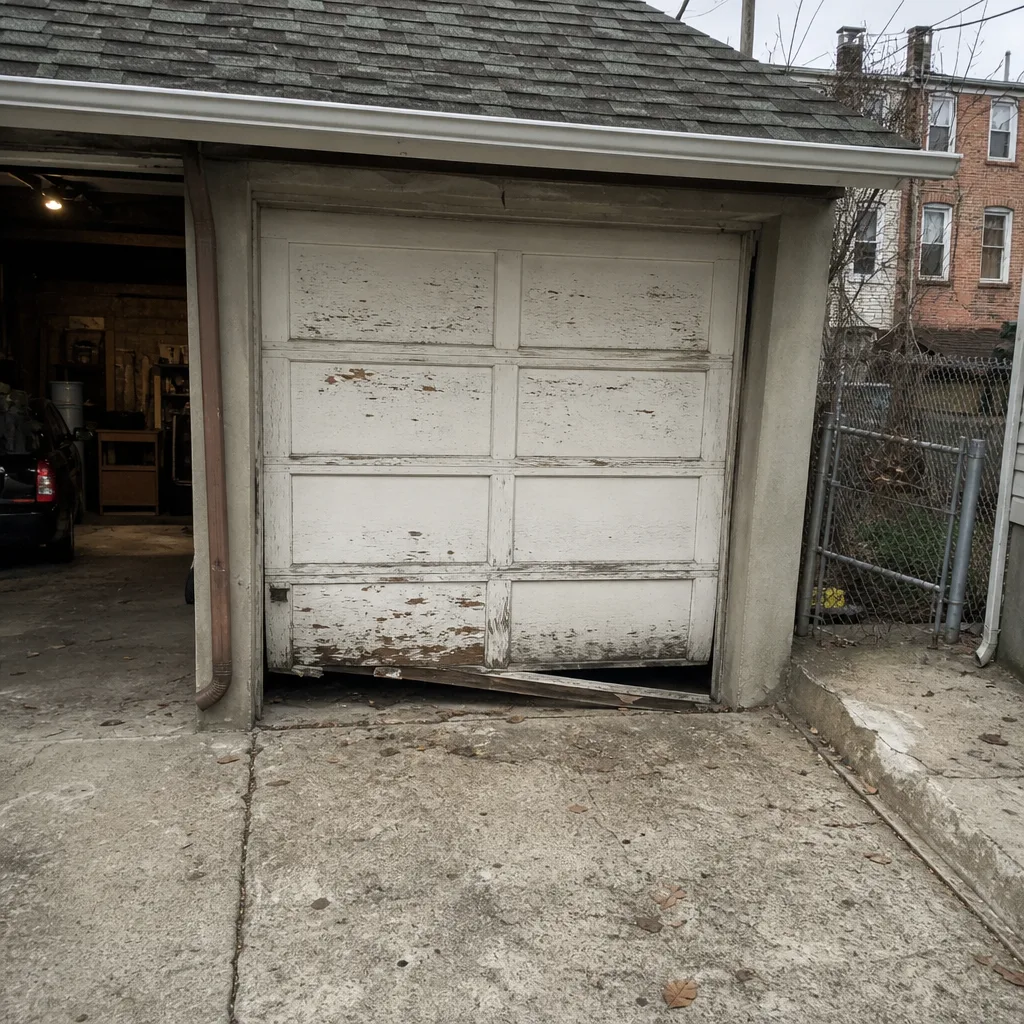 Before
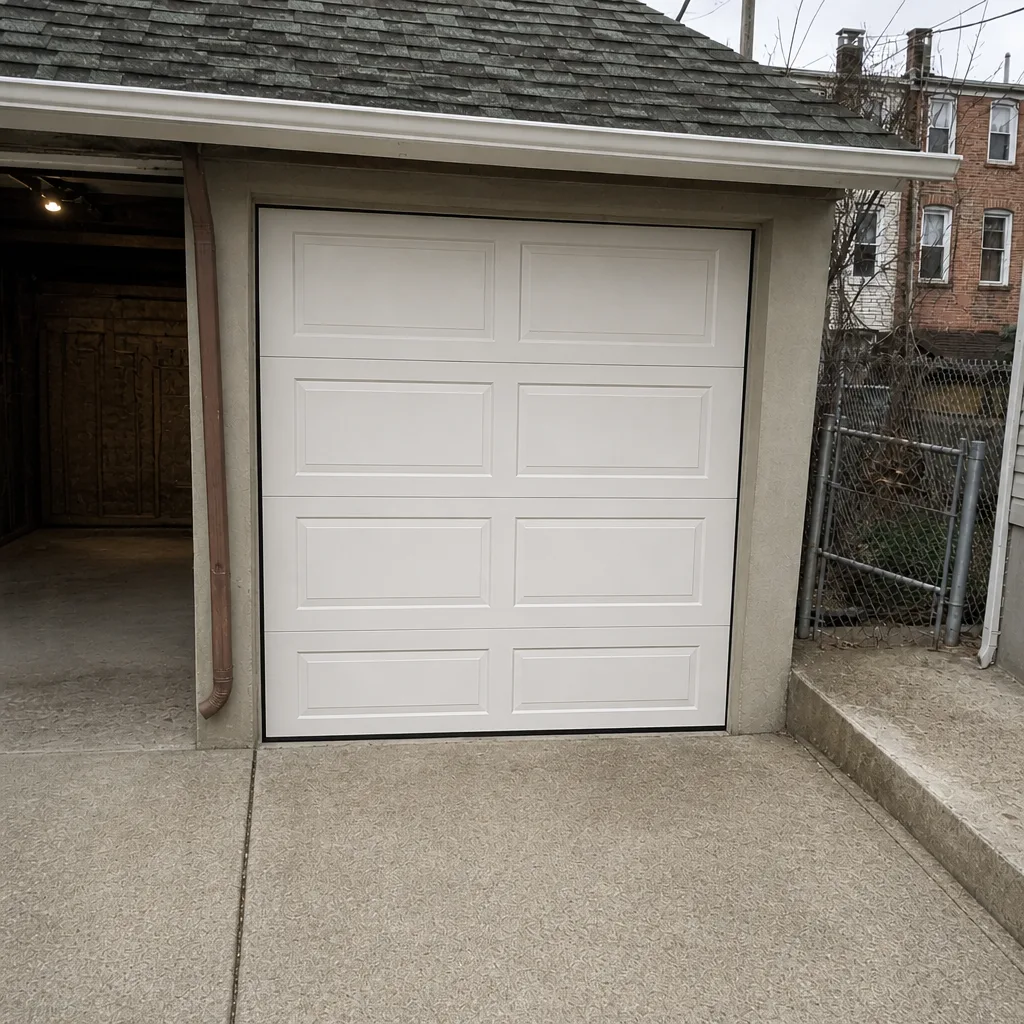 After
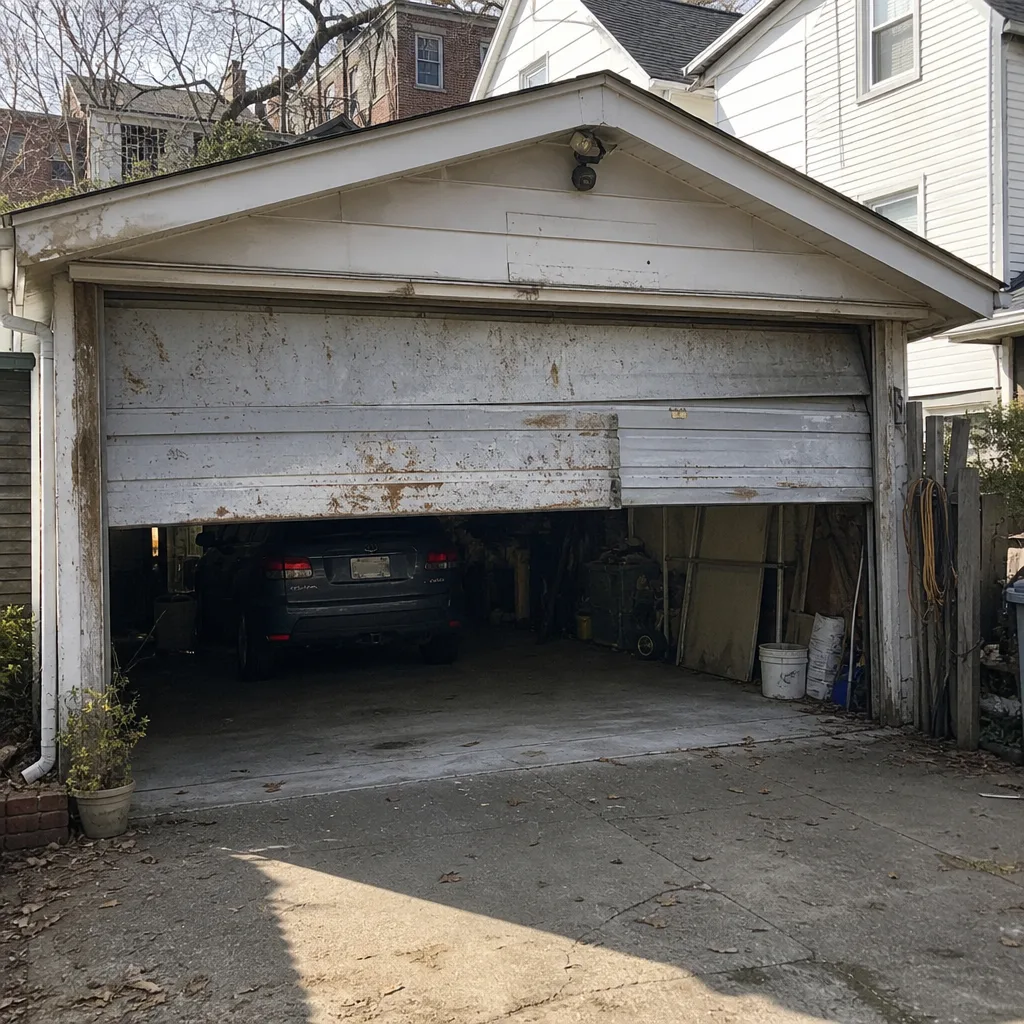 Before
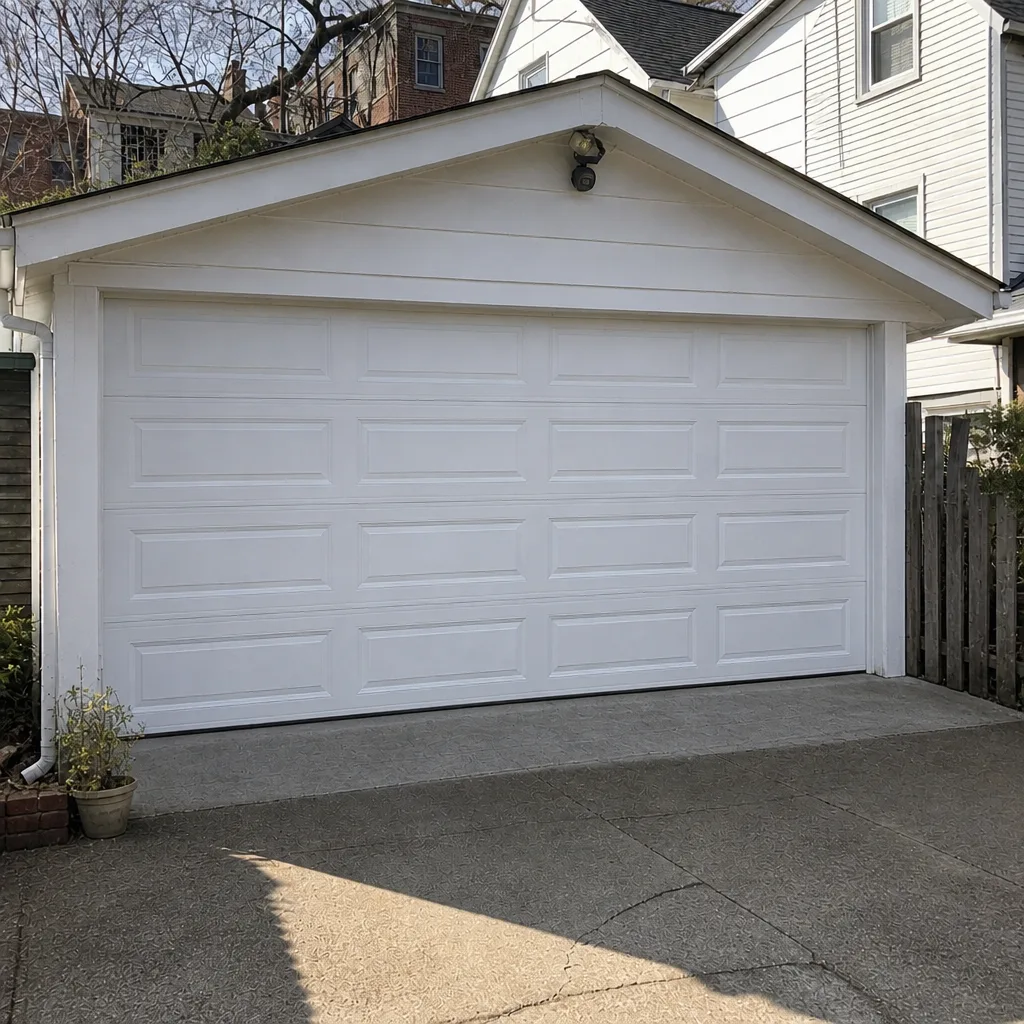 After
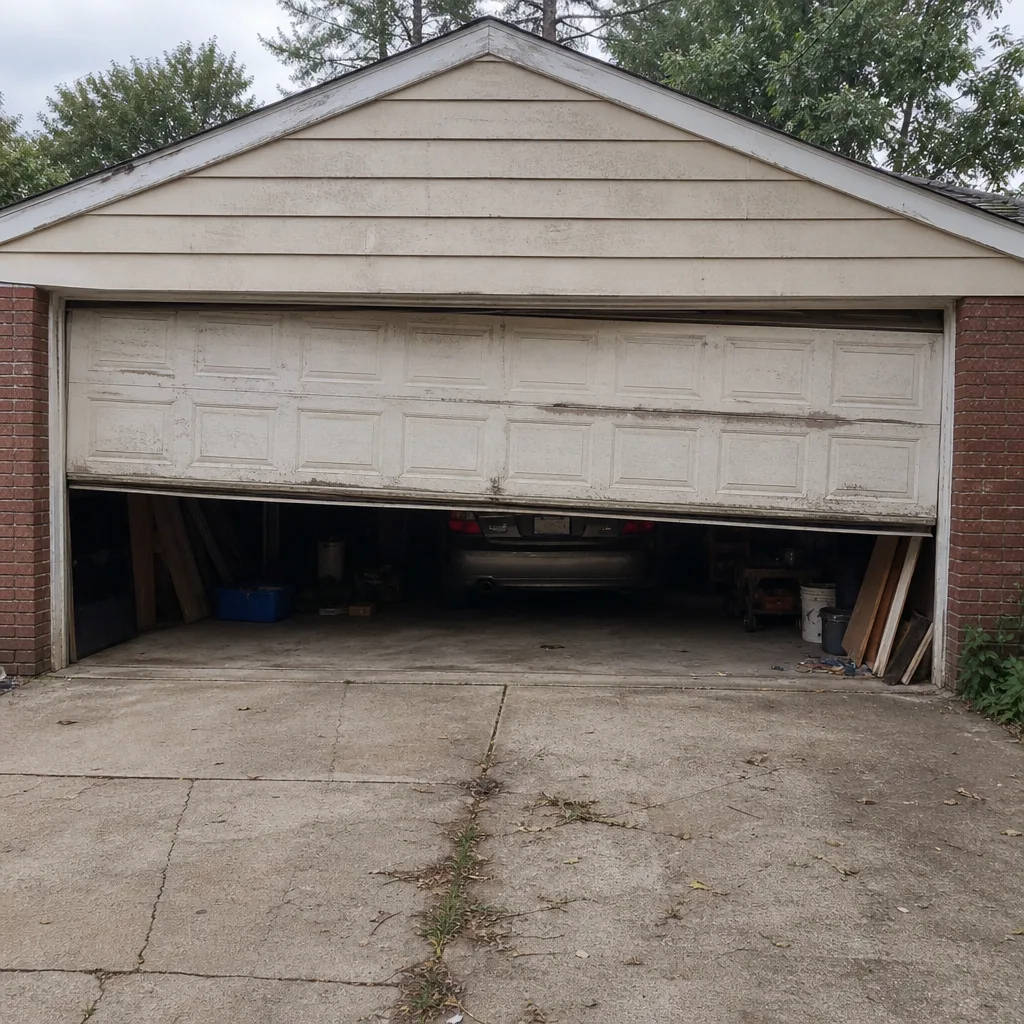 Before
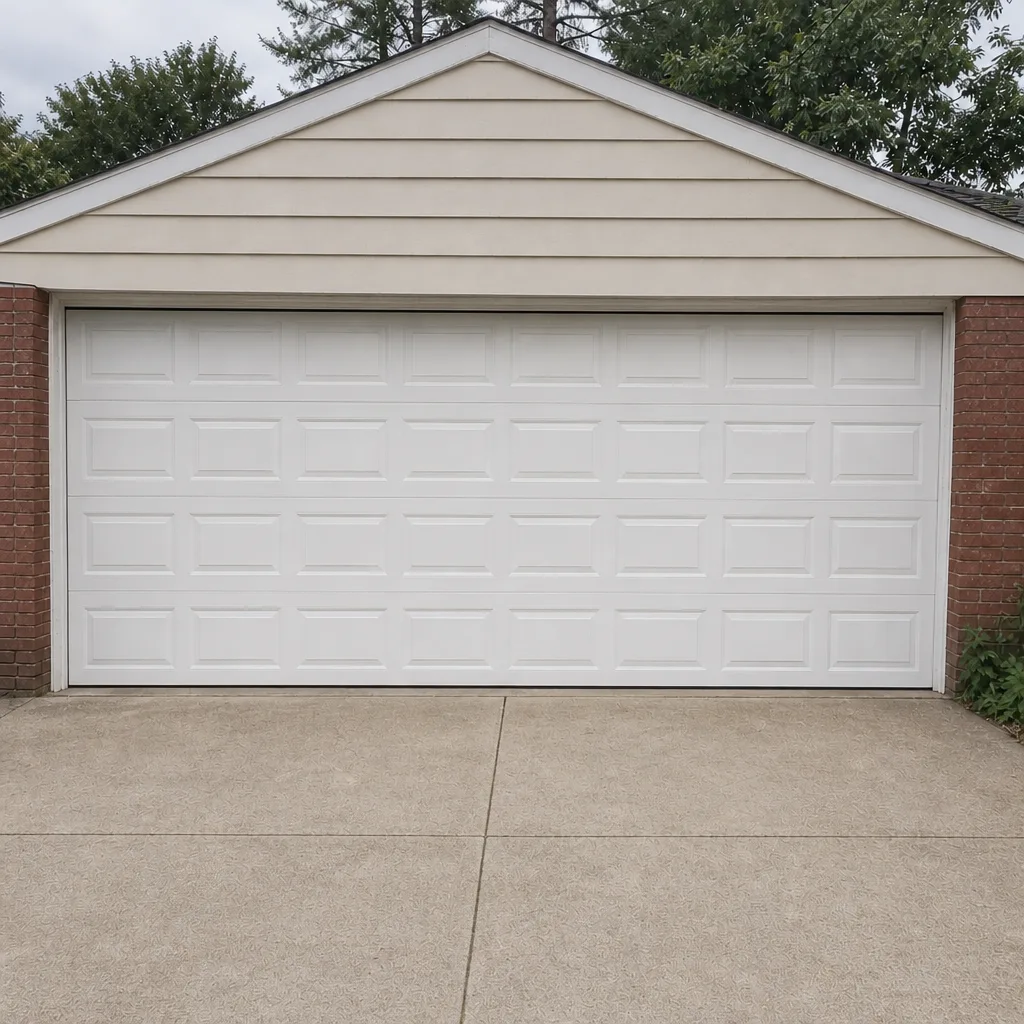 After
When to Call a Professional
Some garage door problems are genuinely dangerous to handle yourself. A snapped torsion spring, a cable that’s come off its drum, or a door that’s come off its track should be handled by a trained professional; those components carry stored energy that can cause serious injury. A door stuck open is also worth a prompt call, since an open garage in a dense residential block is a security concern, not just an inconvenience. Opener failures that involve the motor or the logic board, and anything that requires the door to be removed and reinstalled, are also jobs for a professional.
Garage Door Repair Greenwich Village offers free estimates in Greenwich Village. Call (844) 395-2808. We answer 24/7. Fast dispatch is available from 7am to 7pm, Sunday through Friday, and our technicians have up to 12 years of experience across all eight major brands.
Frequently Asked Questions
Most common garage door repairs in Greenwich Village run $120 – $600 in 2026, with springs at $180 – $340 per spring and opener repairs at $180 – $450. A matched pair of springs is usually replaced together, so a pair costs about twice the single-spring range. The written estimate you receive before work starts is the number that holds. Call (844) 395-2808 for an exact quote; estimates are free.
The premium comes from urban labor logistics, not contractor markup. Parking permits for the work van, elevator fees in co-op buildings, two-person crews for tight alley access, and disposal costs for old panels all add real expense. Custom sizing for pre-war openings and LPC-compliant finishes add material cost on top. Together these account for most of the 20 – 35% gap.
Same-day service is often possible for urgent repairs like a snapped spring, a door stuck open, or a dead opener. Call (844) 395-2808. We answer 24/7, and fast dispatch runs from 7am to 7pm, Sunday through Friday; a call outside dispatch hours is booked into the next opening. The price is quoted and agreed before any work starts.
No. The written estimate you receive before work begins is the price. If a technician finds something the phone diagnosis missed, you’ll hear about it and approve any change before it’s done. Call (844) 395-2808 for a free estimate.
The local professionals we connect you with are licensed and insured as New York State requires, and our technicians have up to 12 years of experience. We handle spring repair in-house rather than referring it out. Call (844) 395-2808 to talk through your job.
Yes, and we treat brand compatibility as a core credential. We work on LiftMaster, Chamberlain, Genie, Clopay, Amarr, Wayne Dalton, Craftsman, and Raynor, which covers the vast majority of residential doors and openers. If you’re unsure what you have, the technician can identify it on arrival. Call (844) 395-2808. For general work, start with Garage Door Repair Greenwich Village.
The Bottom Line
Garage door pricing in Greenwich Village runs 20 – 35% above national averages for reasons that have nothing to do with markup: crew size, access logistics, parking and elevator fees, disposal, custom sizing, and LPC-compliant materials. Common repairs run $120 – $600, a matched pair of springs about twice the single-spring range, and a full replacement $1,800 – $2,400. A door that needs three or more repairs within five years is usually ready for replacement. Whatever the job, the written estimate is the number that holds, and the price is agreed before work starts. Call (844) 395-2808 for a free estimate.
Written by the team at Garage Door Repair Greenwich Village.