
Last updated November 21, 2026
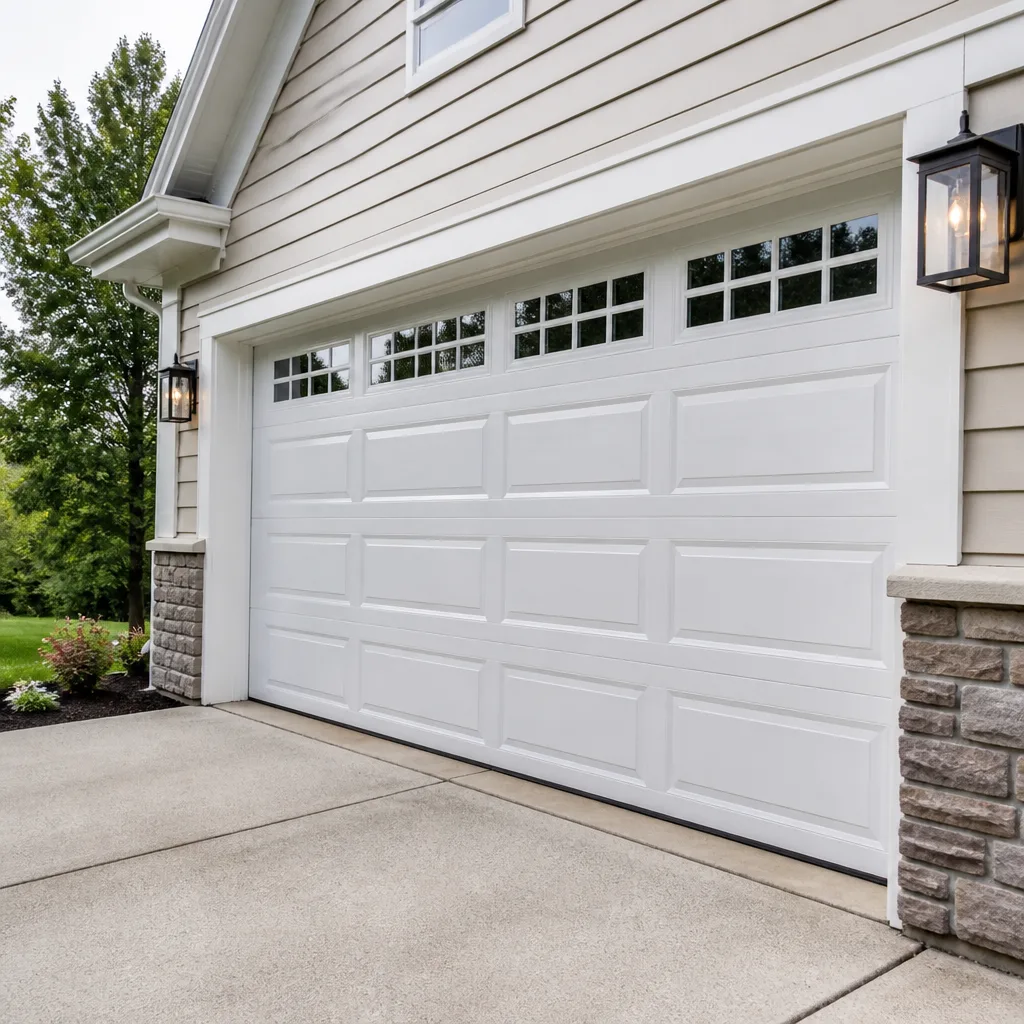 Raised-panel steel
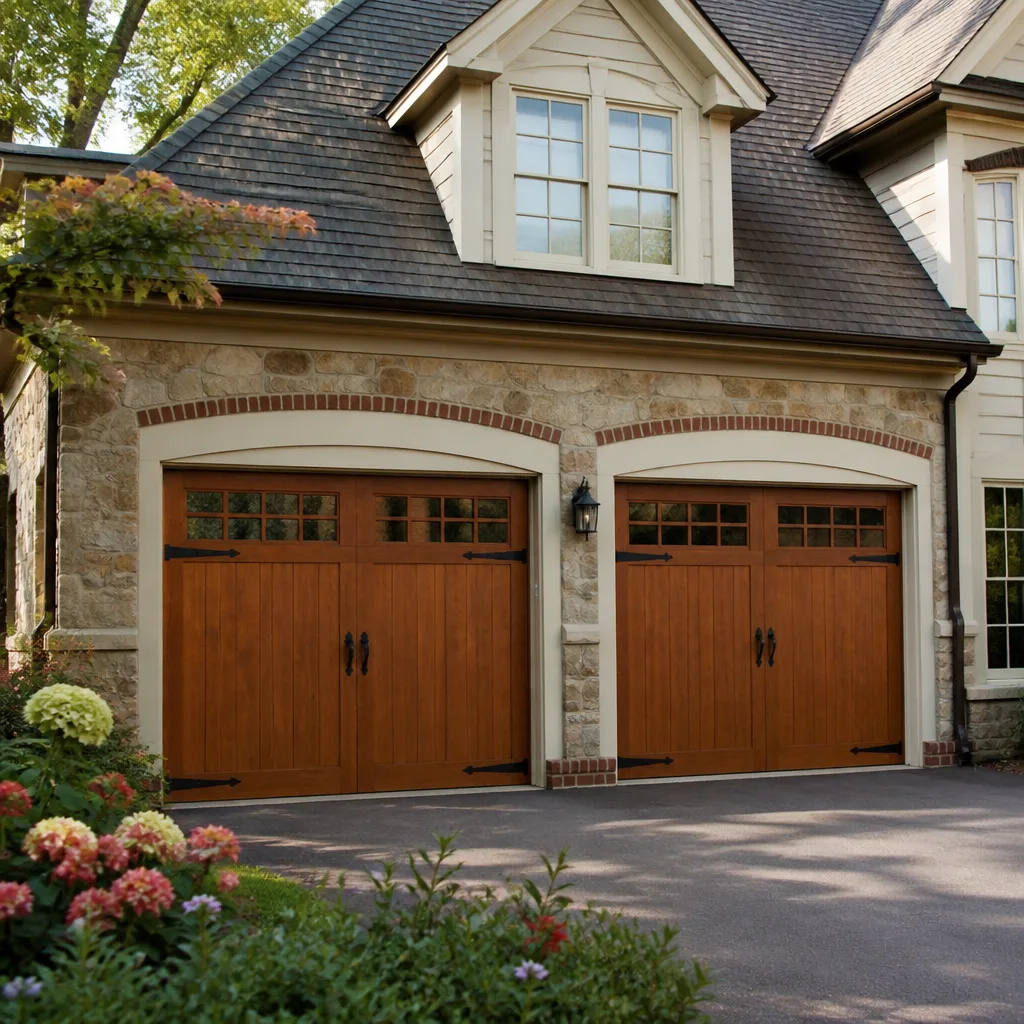 Carriage house
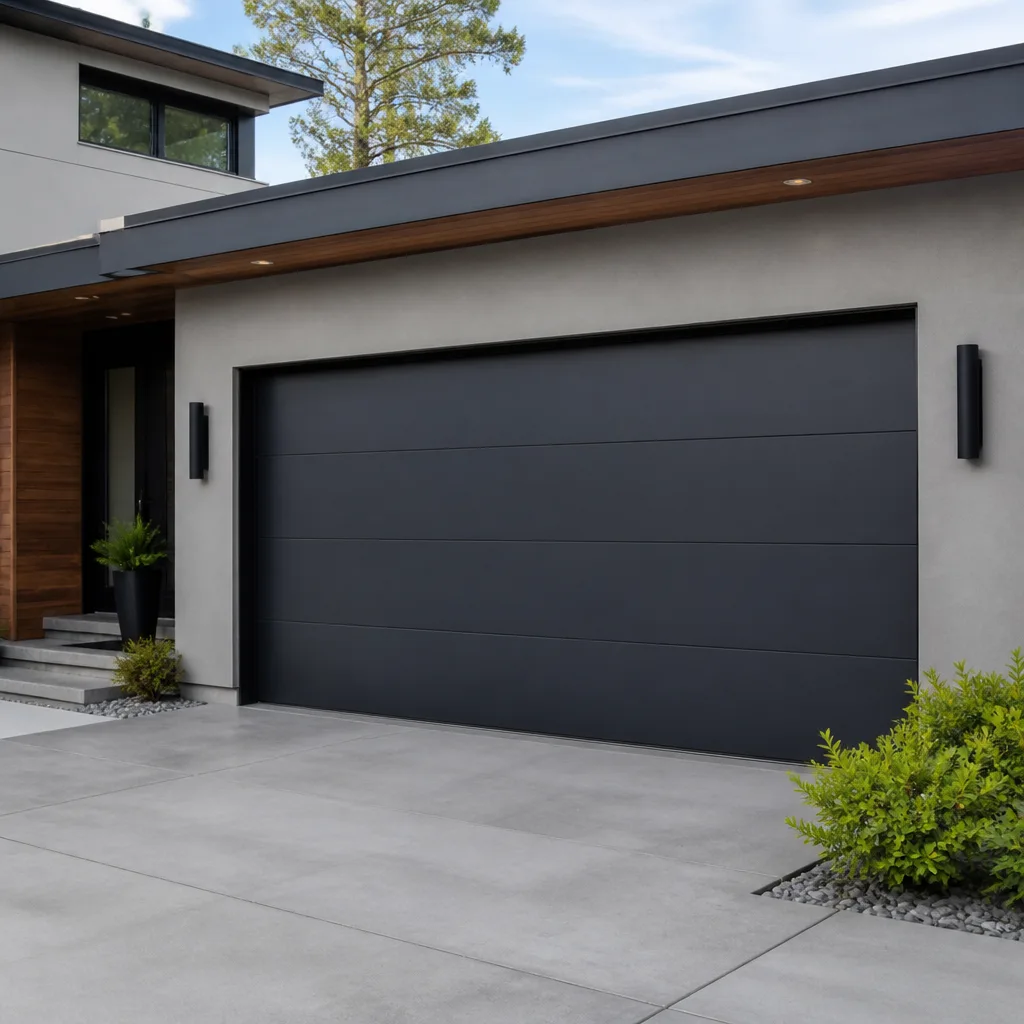 Modern flush
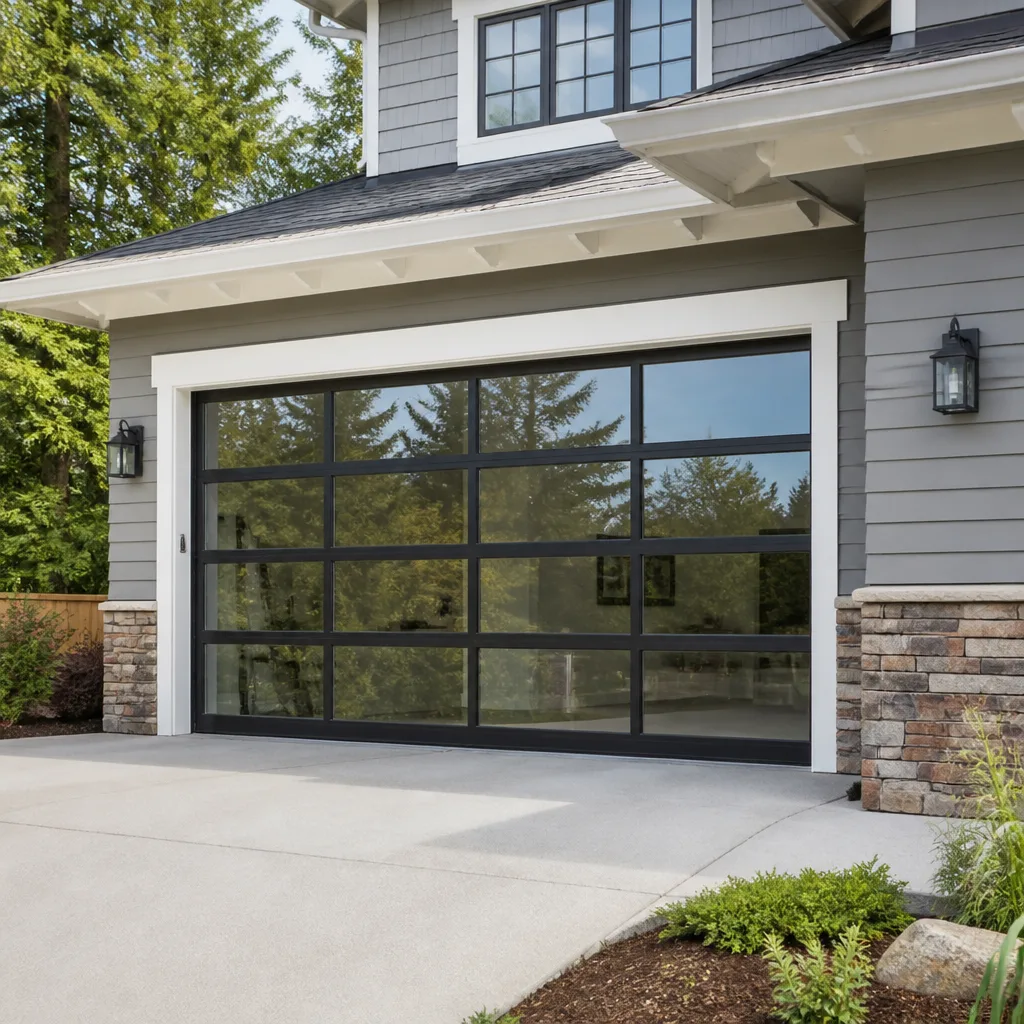 Full-view glass
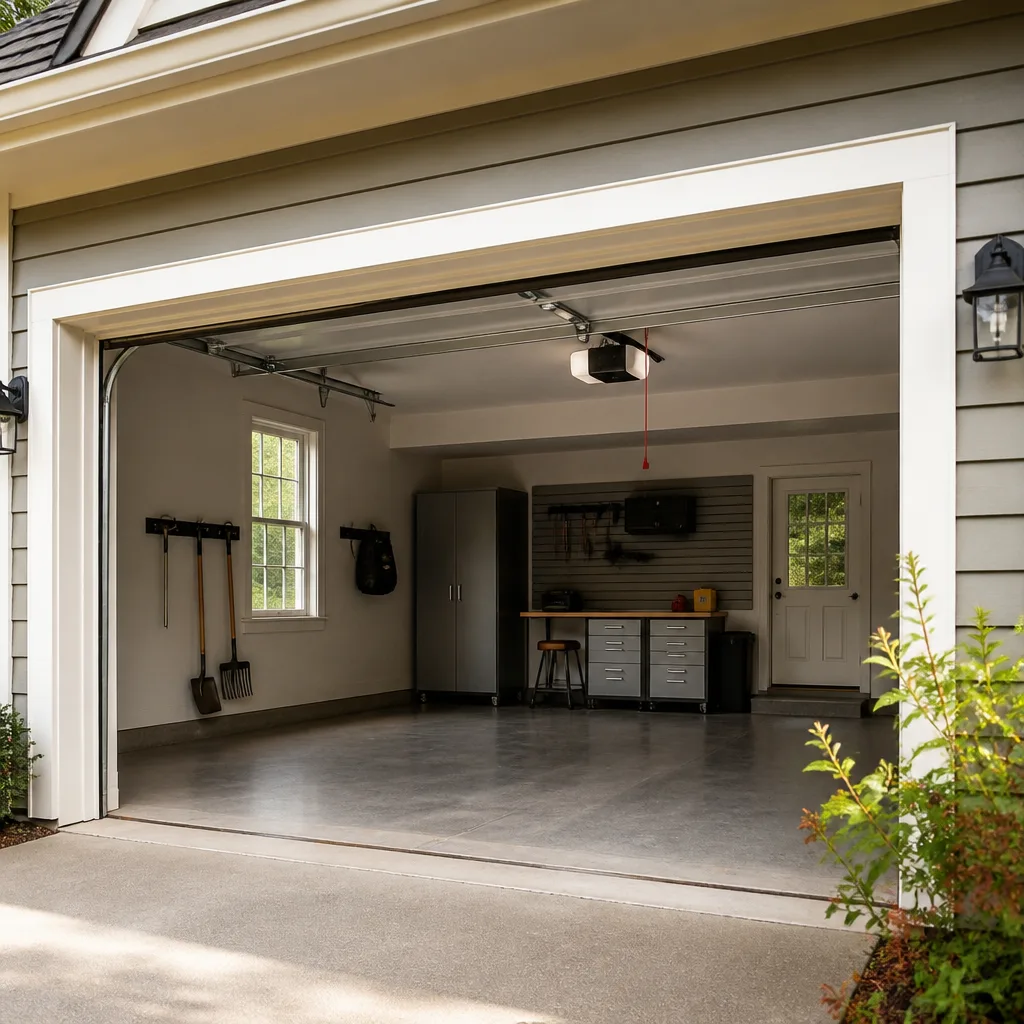 LiftMaster openers
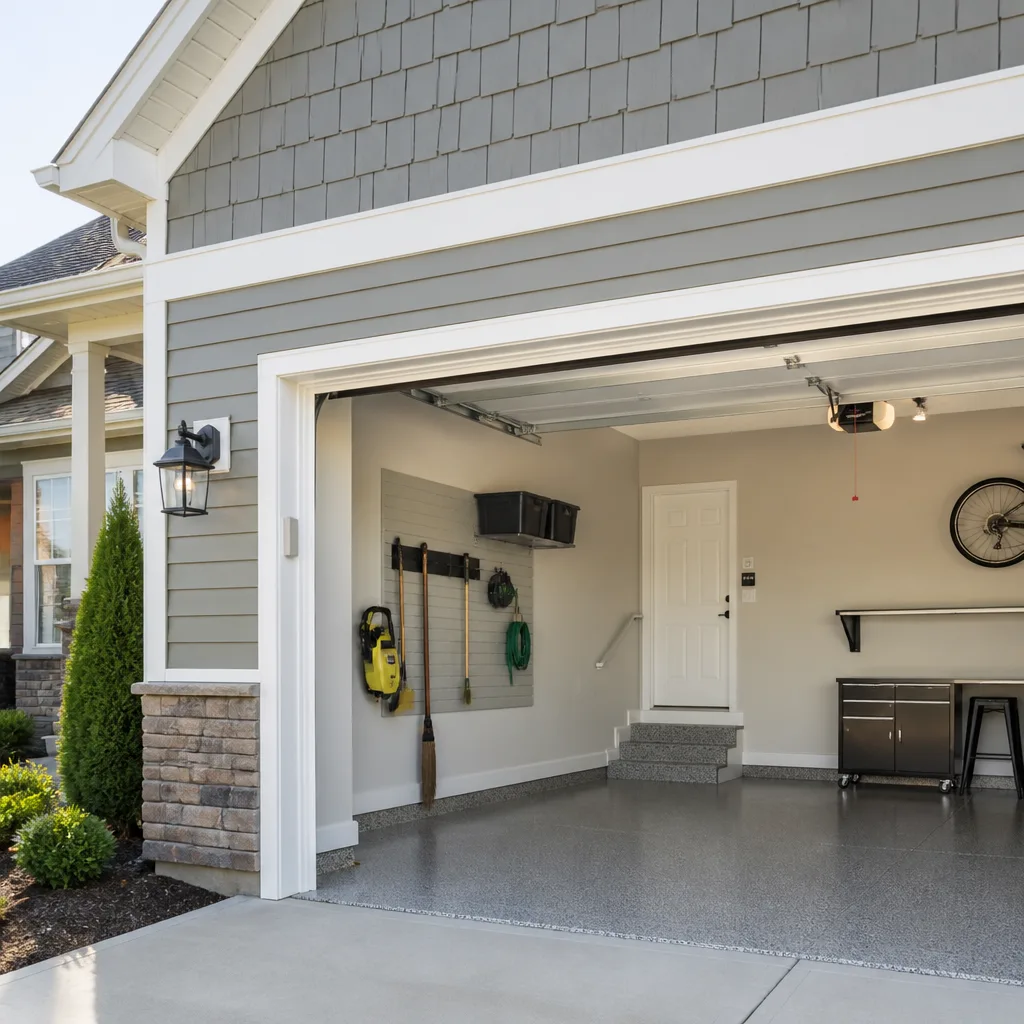 Chamberlain openers
Full 25-point door and opener safety check with every visit - springs, cables, rollers, tracks, and your LiftMaster or Chamberlain opener included
You get a price before we start. It does not change when the pro arrives.
Get your free estimateSeasonal Garage Door Care for Greenwich Village: Year-Round Homeowner’s Guide
Most seasonal garage door advice was written for a suburban driveway with a maple tree at the end of it, and it does not translate to a ground-level or basement garage tucked between brick buildings off Bleecker Street. The counterintuitive point we start with: in Greenwich Village, the worst thing you can do to a torsion spring is “help” it in October. Thin spray lubricants and household oils that feel slick in warm weather can gum up and thicken when the temperature drops, and a spring that was fine in September can bind and snap overnight in January. The product matters more than the schedule. This guide walks you through what each Greenwich Village season actually does to a door, a spring, a track and a seal, and how to respond to each.
Styles & brands we work with
- Raised-panel steel
- Carriage house
- Modern flush
- Full-view glass
- LiftMaster openers
- Chamberlain openers
Quick Answer
Seasonal garage door care in Greenwich Village comes down to four jobs: keep salt brine and grit off the tracks and springs in winter, check bottom-seal alignment after the freeze-thaw cycle shifts your apron in spring, watch for panel swelling in summer humidity, and clear leaves and debris from around the apron and drainage channels in fall. Do those four things and add a cable tension check each fall, and most of the failures we’re called out for in Greenwich Village don’t happen.
Table of Contents
- Why Seasons Hit a Greenwich Village Garage Door Differently
- Winter: Road Salt, Brine and Binding Tracks
- Spring: Freeze-Thaw, Concrete Aprons and Bottom Seal Alignment
- Summer: Humidity Swelling in Wood and Composite Panels
- Fall: Leaf Clogging and Weather Seal Breakdown
- The Cable Tension Check Most Guides Skip
- A Greenwich Village Seasonal Maintenance Calendar
- When to Call a Professional
- Frequently Asked Questions
Why Seasons Hit a Greenwich Village Garage Door Differently
The biggest difference between Greenwich Village and a climate-guide assumption is where your door sits. Garages here are often at grade or below it, opening onto a narrow courtyard, a shared driveway behind a building, or a lane that runs between brick rowhouses. That means your door is not out in the open air. It sits in a slot between buildings, and that slot traps stillness in the summer and channels grit and runoff in the winter.
Think about what happens in one year. In summer the Hudson-fed humidity doesn’t move much in a confined alley, and the wood or composite panels on a Clopay or Amarr door swell very slightly. In winter the roads get treated and the grit from those treatments gets walked and driven onto your apron. In spring the freeze-thaw cycle in the older concrete under your door lifts and settles. In fall the leaves land on the apron and the drain lines and stay there, because there’s nowhere for them to blow.
None of that is dramatic. It’s a slow accumulation, one season at a time, against a door and hardware that only ask for a few minutes of attention a season. But because a garage here is often the only way a car gets off the street, a failure is inconvenient in a way it isn’t in a suburb where you can park in a driveway instead. The seasonal playbook that follows is built around that reality: a Greenwich Village door has to be ready every season, because when it stops opening, your car isn’t going anywhere.
If something has already failed, or you’d rather have a trained eye check the whole system now, our Garage Door Repair Greenwich Village page is the place to start.
Winter: Road Salt, Brine and Binding Tracks
Winter is the season of the snapped spring, and in our experience in Greenwich Village it is rarely the spring’s fault alone. The more common chain of events is: the tracks get grimy with salt and grit from the adjacent streets, a thin clump of that grit works into a roller or a hinge, the door starts operating with a slight irregular load, and a spring that should have coasted through the winter takes the extra stress at the coldest point of the year. Add a heavier or wrongly chosen lubricant and the load goes up again.
The salt brine issue is specific to a dense neighborhood like this. When the streets get treated, that material doesn’t stay on the road. It gets carried on car tires and on foot into the courtyard and onto the apron under your door. Over a winter it can build up on the bottom of the tracks, in the rollers, and on any exposed steel hardware. Left in place, it encourages corrosion and that corrosion makes the door harder to move. The fix is simple, low-frequency cleaning rather than a big project:
- Wipe the tracks with a damp cloth once a month through winter, then dry them. Don’t soak the tracks with water; a damp wipe is enough.
- Clean any visible brine and grit out of the rollers and hinges with a dry brush.
- Apply a proper garage-door lubricant (a purpose-made lithium or dry-film product, not cooking oil and not silicone on the moving steel parts) sparingly, after the wipe-down, not before.
- Run the door up and down once and listen. A healthy door is smooth and even; a door that lurches, hesitates or rattles has a load problem.
- If you’ve used the wrong product, have the spring and hardware cleaned before the cold really sets in, rather than after the spring lets go.
Some door hardware performs better in cold than others, and construction matters. A heavier insulated panel system takes more from a binding track than a lighter one, but it also holds its alignment better. If you’re not sure what you have, look at the brand label on the door or opener. We’re fluent in the eight brands most of these doors are, including Genie and Wayne Dalton, and “know your opener, know your door” is the quickest way to get an accurate diagnosis instead of a guess.
Winter also brings a second thing worth knowing: a door that fails to close fully is a security concern in any season, but more so when everyone is inside and the wind is up. If your door stuck open in a Greenwich Village winter, call it in rather than force it. We answer 24/7. Fast dispatch from 7am to 7pm, Sunday through Friday. A call outside dispatch hours is booked into the next opening.
Spring: Freeze-Thaw, Concrete Aprons and Bottom Seal Alignment
Spring is when the freeze-thaw cycle shows its hand, and in Greenwich Village that cycle works on two things: the older concrete under and in front of your door, and the frame the door hangs in. When concrete expands and settles through a series of freeze-thaw events, the apron can lift or dip a fraction of an inch. That’s enough to throw off a bottom seal. The door comes down and the seal no longer sits flush. You may see daylight, feel a draft, or hear the door hesitate in the final few inches of travel.
The bottom seal is a surprisingly important piece of the door. It’s the barrier that keeps water, grit and cold air out, and a misaligned one is the first thing to fail at the start of the rainy season if you let it go. A quick spring check:
- Lower the door fully and look along the bottom of the door, inside and out. Any consistent bright line of light means the seal isn’t making contact.
- Look at the apron under the door. Is there a new crack or a visible step between the apron and the surrounding concrete? That’s the freeze-thaw talking.
- Check the seal material itself: cracked, stiff or torn rubber will not seal no matter how well it’s aligned.
- Look at the frame where the door sits. After a hard freeze thaw the frame can shift slightly, and the door can start rubbing on one side.
If the seal is intact and the frame hasn’t moved, a small adjustment to the bottom seal or the travel of the door may be all that’s needed. If the concrete has genuinely shifted or the frame has moved, that’s a job for someone who can re-level and re-align properly. Trying to force a seal into submission with a pry bar is how you turn a small misalignment into a bent panel. On a Clopay or Amarr door, a bottom section is not the cheapest part of the system, so know when to adjust and when to call. If the door is rubbing, rattling, or the seal won’t sit straight after your spring check, that’s our cue. See garage door repair for what we look at first.
Summer: Humidity Swelling in Wood and Composite Panels
Summer in Greenwich Village brings the humidity up, and humidity does something specific to a door made of wood or a wood-composite material: the panels take in moisture and swell very slightly. That’s normal. The door is designed with expansion tolerance in mind. The problem isn’t the swelling itself, it’s what the swelling reveals.
When a panel swells, the gap it sits in can tighten. You may notice the door dragging on one side, or the panels starting to bind slightly against their hinges. On a Wayne Dalton steel door this is less of an issue, but on older wood doors, or on composite doors near a wet courtyard, the effect is real. The expansion tolerances to watch:
- Does the door move smoothly from fully open to fully closed, with no point where it hesitates or looks like it’s forcing its way through?
- Are the horizontal gaps between panels even, top to bottom? A gap that closes at the top or bottom is a swelling signal.
- Is the door sitting square in the opening, or are you seeing a wider gap on one side than the other?
- Does the door bounce or shimmy at one point of travel, which can be a bracket or hinge taking the extra load?
The instinct when a door swells is to over-tighten a hinge or a bracket to force it back into place. Don’t. Over-tightening transfers the swelling stress to the next component, and you often cause a panel crack or a hinge failure you didn’t have before. A small, correct adjustment to a hinge is one thing; forcing a swollen panel to stop swelling is another. If the door binds at the same point every cycle for more than a week or two, or a gap between panels is visibly uneven, that’s when to call rather than keep adjusting.
Summer is also the easiest season to actually inspect the door, so use it. This is the time to check weather stripping, clean the track, and have any small stuff dealt with before it becomes a fall or winter call. If your door is older and you’re weighing repair against replacement, summer is the season for that decision; our garage door installation page covers what a new door job involves here.
Fall: Leaf Clogging and Weather Seal Breakdown
Fall gets the least attention and does the most quiet damage. In a Greenwich Village courtyard or narrow lane, leaves accumulate around the garage apron and in any drainage channel feeding it. That’s a small thing until it isn’t. Leaves sit on the apron, hold moisture against the bottom seal and the frame, and slow down drainage, so the next rain event leaves water sitting around the door bottom instead of running away. A weather seal that’s sitting in standing water breaks down faster than a seal that’s kept dry. It cracks, it loses its shape, and by winter it’s no longer sealing.
The fall routine is simple and worth doing as soon as the leaves start coming down:
- Clear the apron and any drainage channel around the door of leaves and debris. Do this once at the start of fall and once more late in the season. Don’t wait for the first big rain.
- Look at the bottom seal after clearing. Is it still rubbery and intact, or has it hardened and cracked? If it’s hardened, it will fail this winter.
- Check the sides of the seal and the frame where debris has been sitting; that’s where moisture holds and corrosion begins.
- Clear any debris out of the tracks, including small grit and leaf fragments that blow in.
- If a leaf cleanup reveals a seal with visible tears or a door that no longer closes flush, address it now before the cold arrives.
Fall is also the season when the door has to work reliably, so you notice a problem when the weather turns. If everything passes the fall check, winter is far less likely to surprise you with a spring or a track. And if a cable or a spring fails in the fall, you’ll want to know that our garage door opener repair coverage is there for the opener side, not just the door.)
The Cable Tension Check Most Guides Skip
Almost every seasonal guide out there talks about lubricating springs and cleaning tracks and stops there. That’s the part that gets done. The part that gets skipped is the one that prevents the off-track emergency.
In our experience, a large share of the off-track calls we see come down to cable tension. The cables are the thin steel lines that keep the door balanced on its tracks. If a cable stretches, kinks or begins to fray, the door can pull unevenly, one side can lag, and the door comes off its track. That’s the emergency that gets a door stuck at an angle in the middle of the opening, and it tends to happen when you’re least able to deal with it. Checking the cable each fall before the demand increases is a few minutes well spent:
- With the door closed, look at both cables running down each side of the door. They should look taut and even. A cable that’s visibly slack on one side and tight on the other is a tension problem.
- Look for fraying, kinks or a cable that’s no longer running straight. Any of those is a sign the cable needs attention.
- Look at the drums at the top of each side where the cable winds. A cable that’s coming off the drum evenly and without overlap is healthy; one that’s piled or crossed is not.
- Run the door up and down once. A door that lags on one side, or looks like one side goes up before the other, is an early off-track warning.
- If any of the above fails, don’t run the door, and get it looked at before you use it again.
One important warning about this checklist. Checking the cables is safe. Working on the cables is not. The cables, the drums and the springs are all under tension, and a cable under tension is genuinely dangerous to release. If the check turns up a slack or damaged cable, leave it and call. Spring repair and cable work are two of the most dangerous and commonly mishandled jobs in this trade, and both are handled in-house by our technicians rather than being passed off. Our technicians have up to 12 years of experience, and they’ll tell you honestly whether the cable needs replacing. Do not try to tighten or release a cable yourself.
A Greenwich Village Seasonal Maintenance Calendar
Here’s the whole year in one place. It’s built around what a Greenwich Village door actually sees, not a generic climate. Use it as a reminder, not a rulebook; if the weather is doing something unusual, do the relevant check early.
Winter (December through February)
- Wipe salt and grit off the tracks once a month and dry them.
- Apply garage-door lubricant sparingly after cleaning, never before, and never a household or cooking product.
- Listen to the door every time you use it. A change in sound or speed is the first sign something is loading up.
Spring (March through May)
- Check the bottom seal for light and daylight along the base.
- Look at the concrete apron for new cracks or steps, and check the frame for movement.
- Adjust a small seal or travel issue; call if the apron or frame has genuinely shifted.
Summer (June through August)
- Watch the door for binding at a consistent point in travel, and watch the gaps between panels.
- Inspect weather stripping while it’s warm and easy to check.
- If the door is older, this is the season to decide between repair and replacement.
Fall (September through November)
- Clear the apron and drainage channels of leaves and debris, twice if the season is heavy.
- Check the bottom seal for hardening and cracking.
- Do the cable tension check. Don’t touch a cable that fails; call instead.
- Clear the tracks of grit and leaf fragments.
Common Mistakes to Avoid
- Using the wrong lubricant on the spring and hardware. Household oil and thin sprays feel slick when it’s warm and can gum up when it’s cold. The wrong product is a deeper problem than no product, and in a Greenwich Village January it’s one of the most common reasons we get called.
- Over-tightening hinges to fight a swelling panel. Summer humidity will swell a wood or composite panel slightly; forcing a hinge tighter moves the stress onto the next component and can crack a panel. Adjust a small amount, call if it’s clearly worsening.
- Ignoring the apron and the drainage channel in fall. Leaves sitting around the door bottom hold moisture against the seal all fall and winter. A five-minute clear-out in fall saves a seal replacement later.
- Forcing a door that’s off-track back into place. A door that has come off its track has a cable or alignment problem underneath it. Forcing it back can bend a panel or release tension dangerously. Leave it and call.
- Washing out the tracks with a hose in winter. You want the tracks clean and dry, not soaked. Water sitting in the tracks through a freeze makes the problem worse.
- Skipping the cable check because it’s not on the usual checklist. Cable tension is the quiet cause of most off-track emergencies, and it’s the check most seasonal guides leave out.
- Touching a spring or a cable because it “looks fine.” Both are under tension, and both can be lethal if released without proper tools. This is the one thing on this page you should never do yourself.
When to Call a Professional
Call us when the door won’t move, when a spring has visibly snapped (often identifiable by a gap in the coil at the top of the door), when a cable looks slack or frayed, or when the door has come off its track. Call if the door binds at the same point for more than a week, if the bottom seal won’t sit flush after the freeze-thaw, or if the opener hesitates, reverses or stops responding. Any of those is a diagnosis job, not a maintenance task. Garage Door Repair Greenwich Village offers free estimates in Greenwich Village – call (844) 395-2808. We answer 24/7. Fast dispatch from 7am to 7pm, Sunday through Friday. The price is quoted and agreed before any work starts, and the written estimate sets the final price. Our technicians have up to 12 years of experience and work on the brand you already have, from Genie to Wayne Dalton, so there’s no need to figure out which specialist to call.
Frequently Asked Questions
Twice a year is enough for most doors here: once in fall before the cold sets in, and once in spring after the freeze-thaw cycle. Add a quick monthly wipe of the tracks through winter, and clear the apron whenever the leaves are heavy. If your door is older, or it’s in a courtyard that holds moisture, quarterly checks are worth it.
No. A door that gets markedly harder to open in winter is loading up, and the usual cause is a binding track, dirty rollers or the wrong lubricant. It’s a warning sign, not a seasonal quirk. Have it looked at before the load finds its way to the spring. Call (844) 395-2808 for an exact quote – estimates are free.
Overnight failures usually follow weeks of a door working slightly harder than it should. A wrong lubricant applied in fall can thicken in cold weather, a dirty track can add friction, and the spring ends up carrying more load than it was set up to carry. The snap is the last step in that chain, not the first.
Yes, and we treat it as an emergency because the door can’t be used safely until it’s back on. Off-track doors usually trace back to a cable tension problem. Don’t force the door back into place; leave it where it is and call. We’re a full-system specialist, so the cable, the track, the door and the opener all get looked at together.
It depends on what moved. If the seal material is intact and the door is only slightly off, an adjustment can fix it. If the concrete apron has shifted from the freeze-thaw cycle, the alignment issue runs deeper than the seal, and an adjustment alone won’t hold. A quick inspection tells you which it is, and that saves you from buying a seal you didn’t need.
Both. From opener to spring to panel, we cover the whole system. We’re fluent in the eight brands most doors and openers here are, including the LiftMaster and Chamberlain smart-home ecosystem, legacy Genie and Craftsman units, and doors from Clopay, Amarr, Wayne Dalton and Raynor. So there’s no handoff and no referral out. Call (844) 395-2808 for a free estimate.
The Bottom Line
Greenwich Village seasons don’t hit a garage door the way a suburban climate does. Salt brine from the streets works into the tracks in winter. Freeze-thaw shifts the concrete apron and throws off the bottom seal in spring. Summer humidity swells wood and composite panels. Fall leaves sit around the door and break down the weather seal. The four seasonal checks on this page, plus the cable tension check most guides leave out, cover the failure patterns that actually cause problems here. Do them, never touch a spring or a cable yourself, and call when the door binds, sticks or comes off track. We work on the brand you already have, and we’ll give you a free estimate.
Call (844) 395-2808 for a free estimate. We answer 24/7. Fast dispatch from 7am to 7pm, Sunday through Friday.
Written by the team at Garage Door Repair Greenwich Village.
See the difference
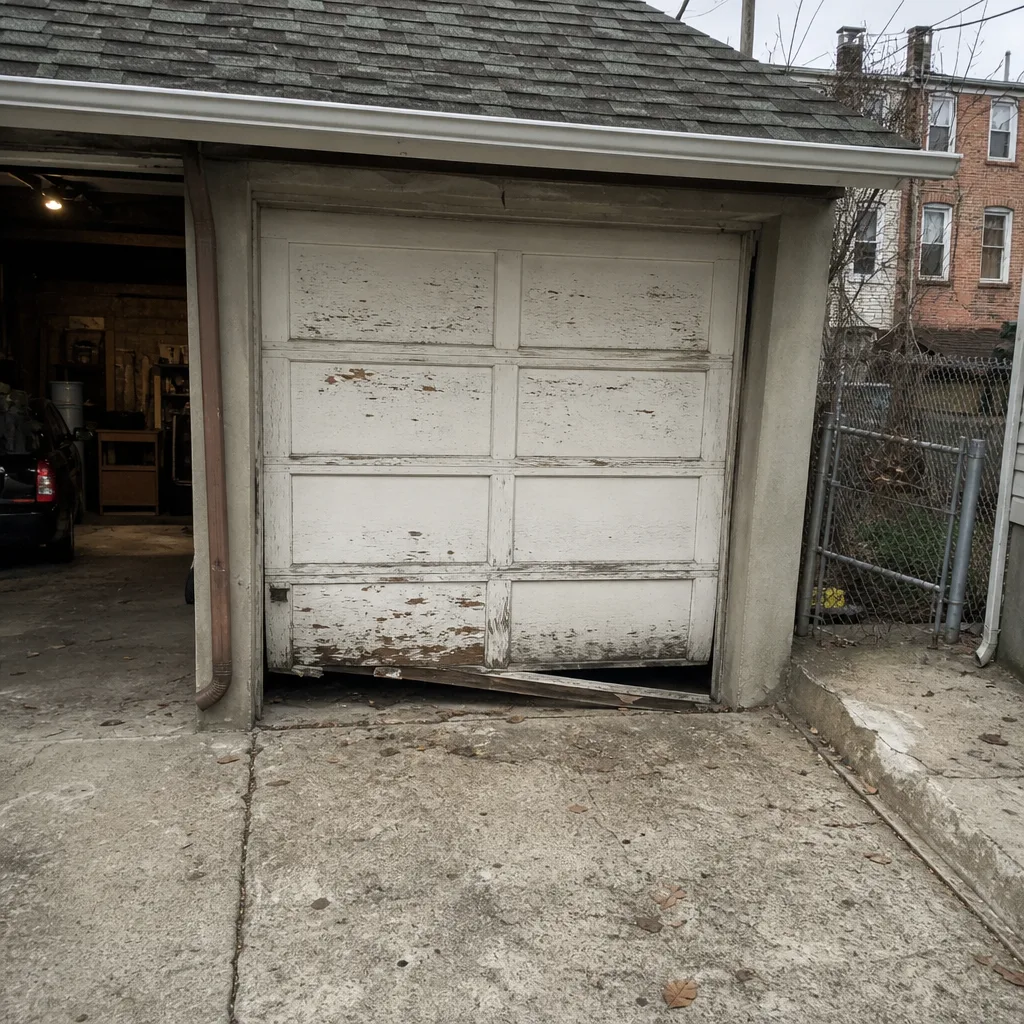 Before
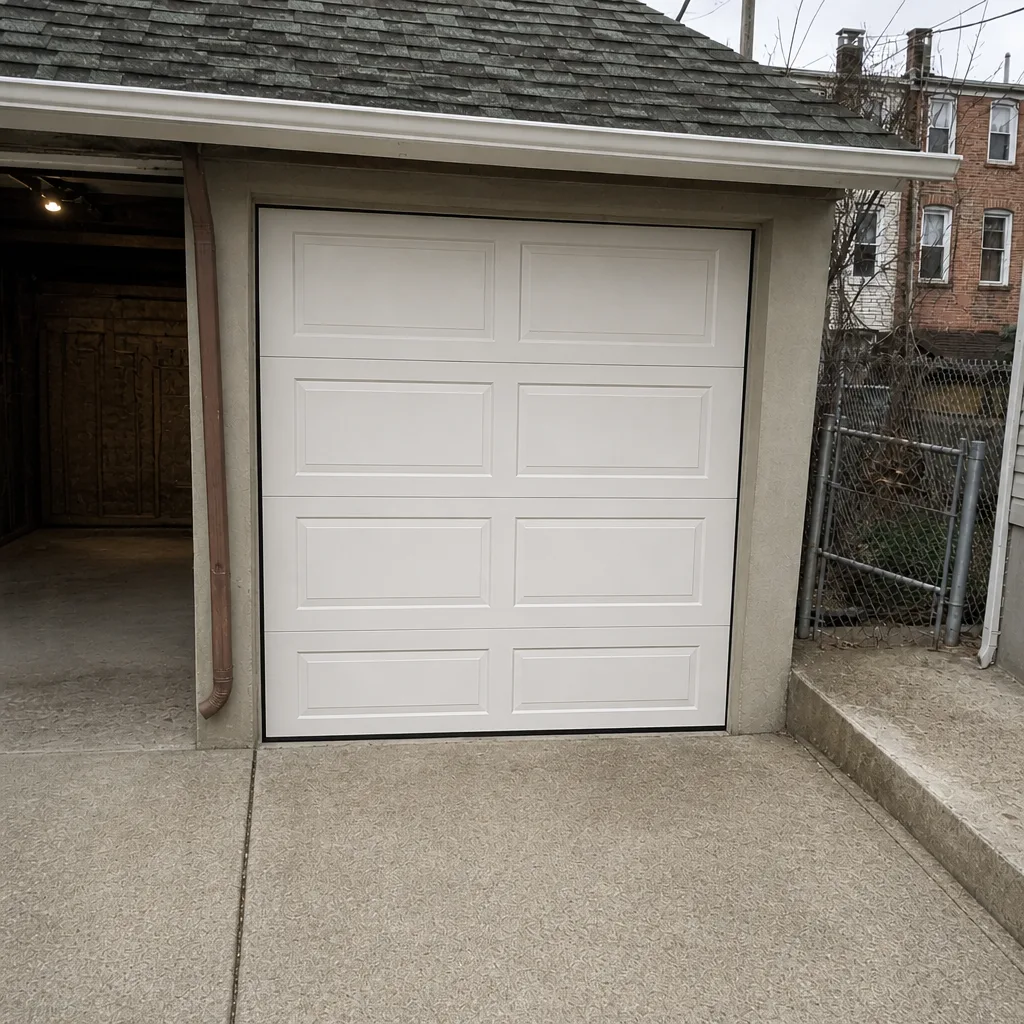 After
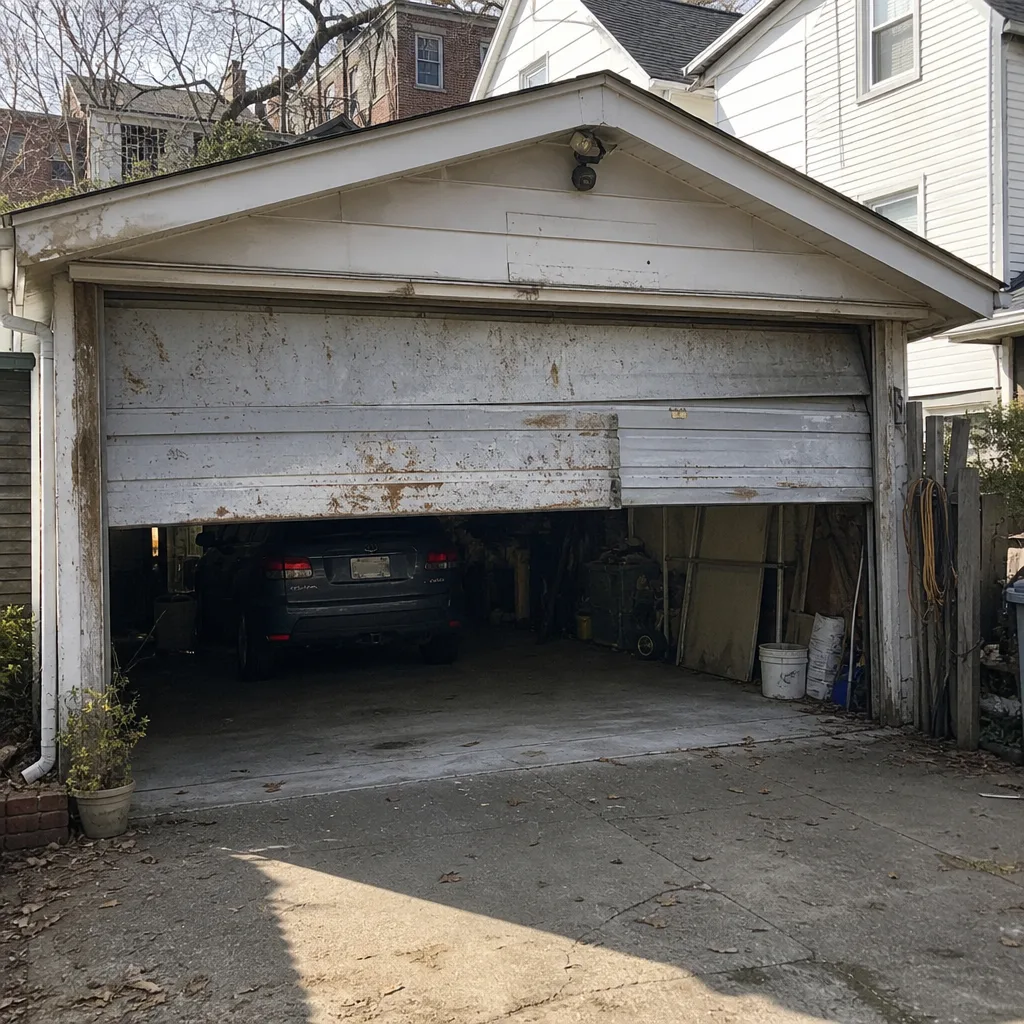 Before
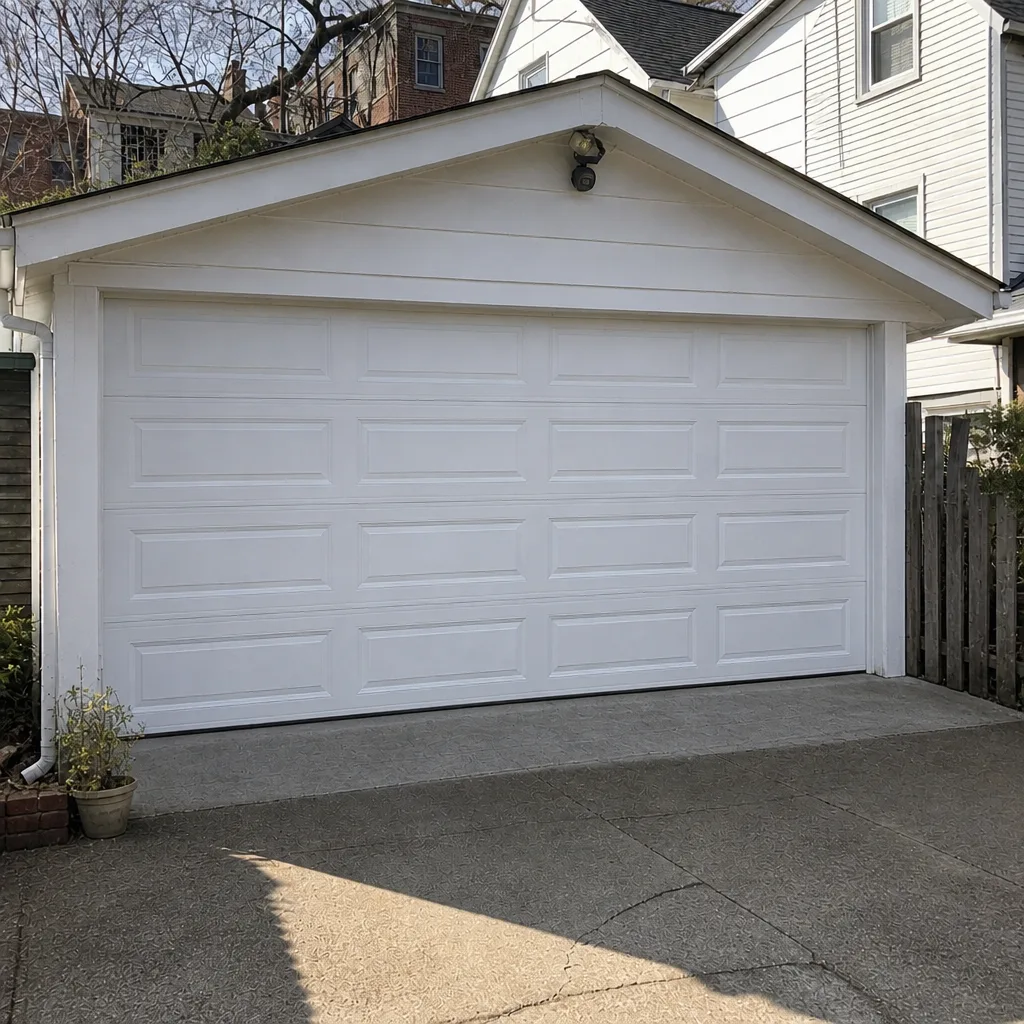 After
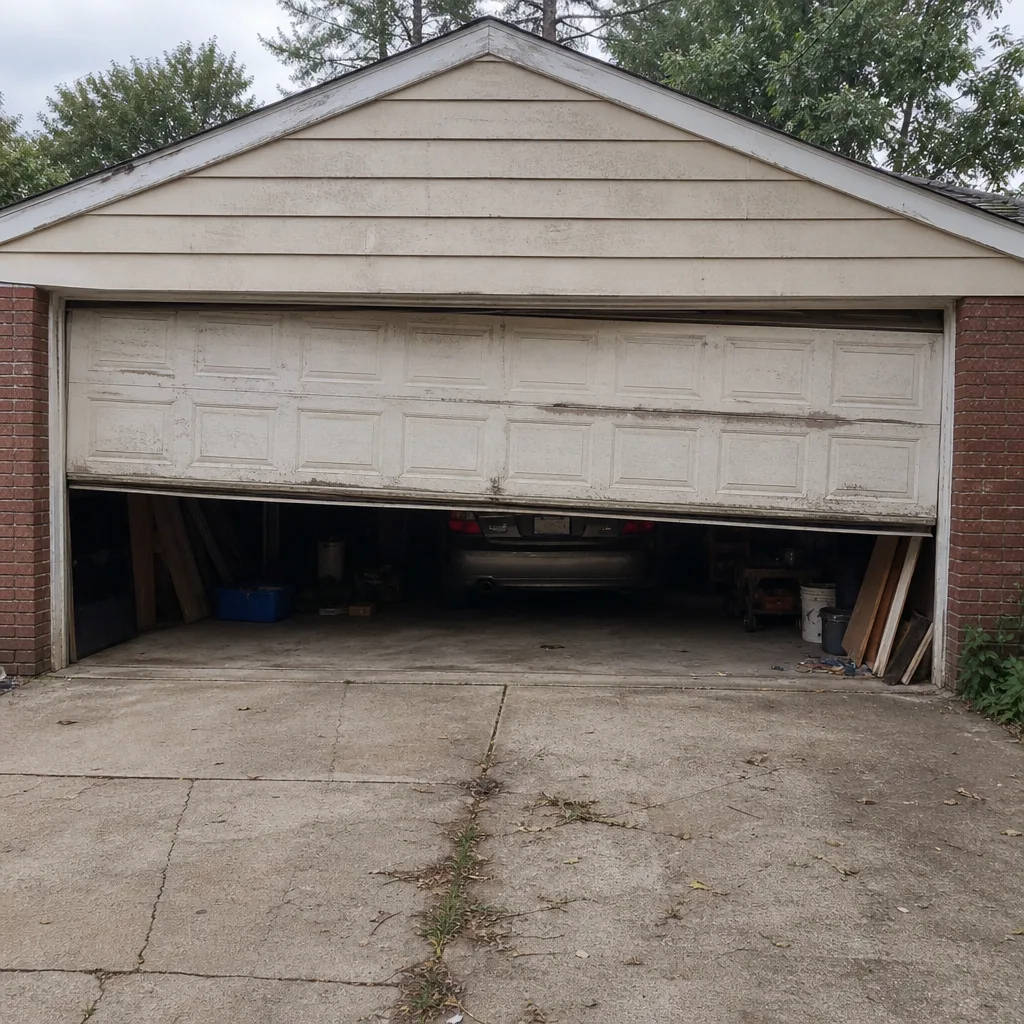 Before
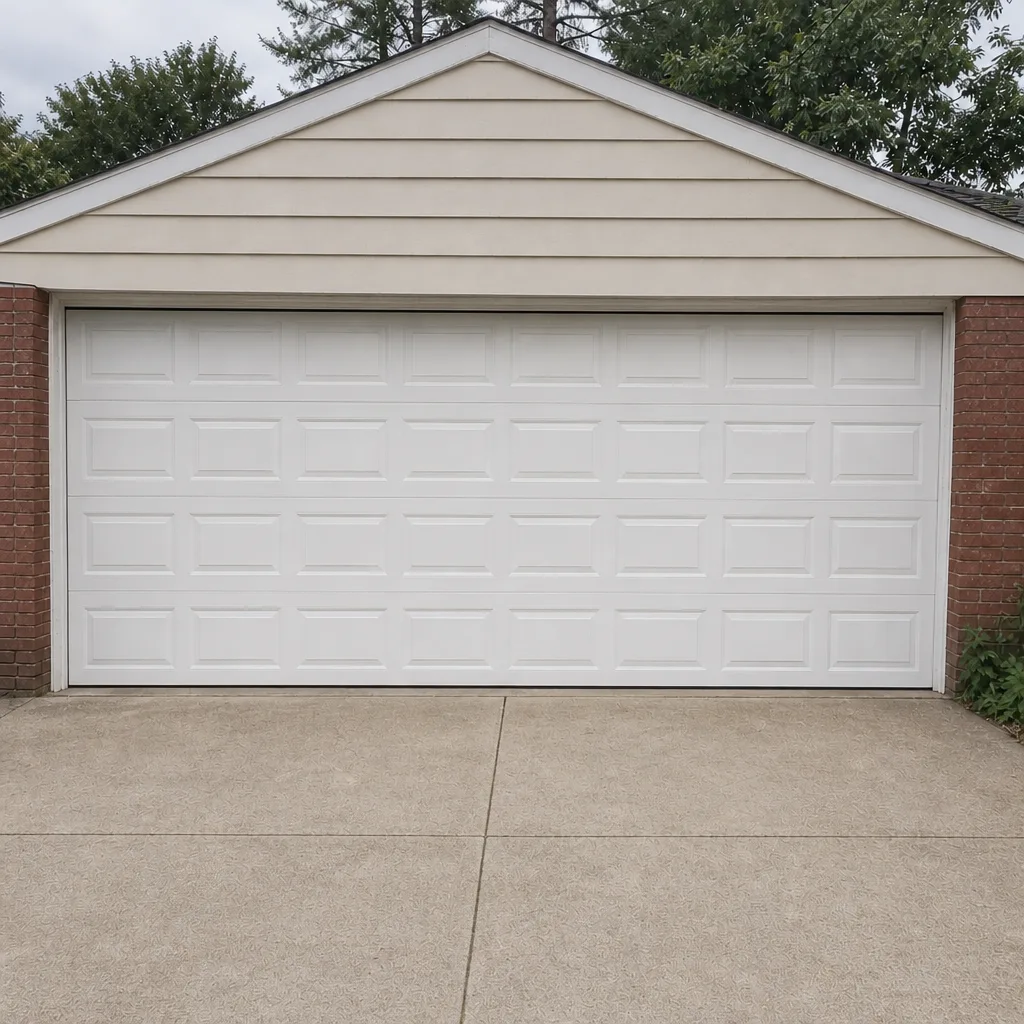 After