
Last updated November 21, 2026
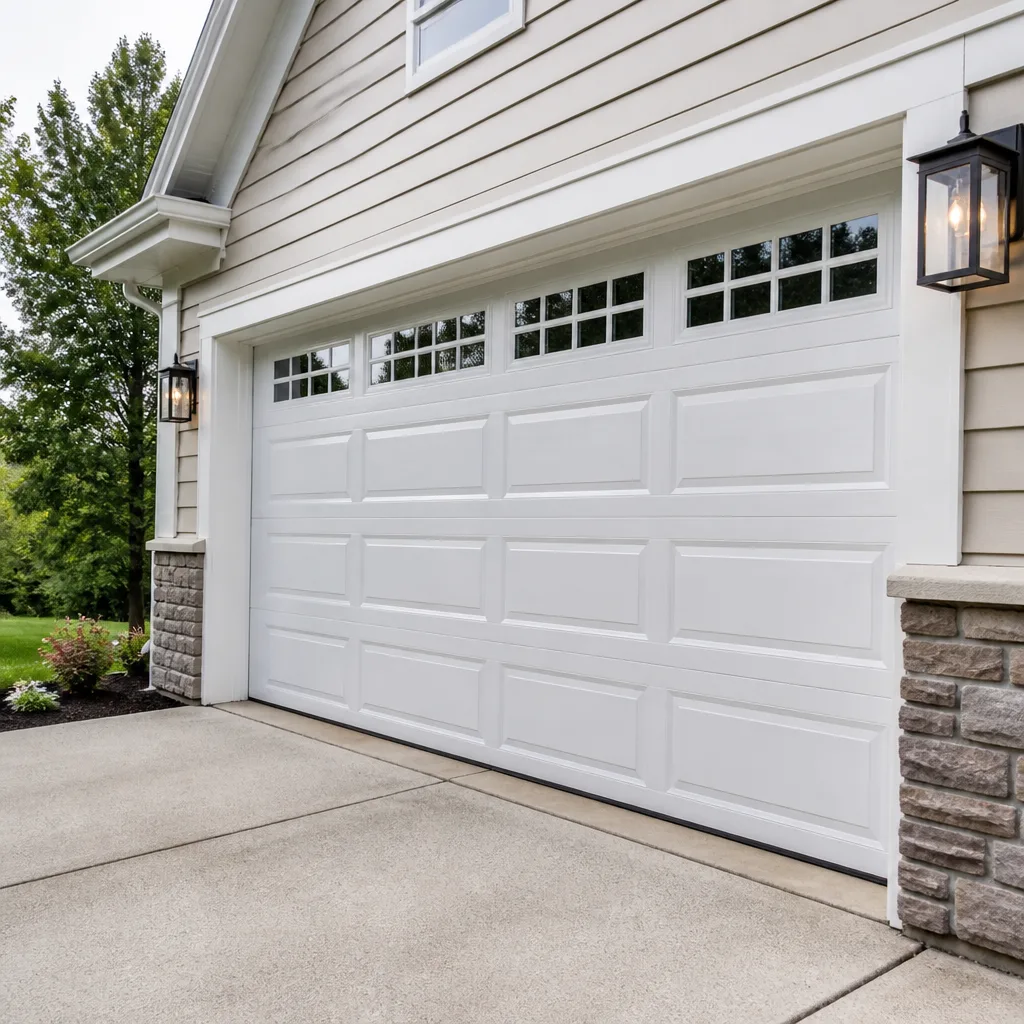 Raised-panel steel
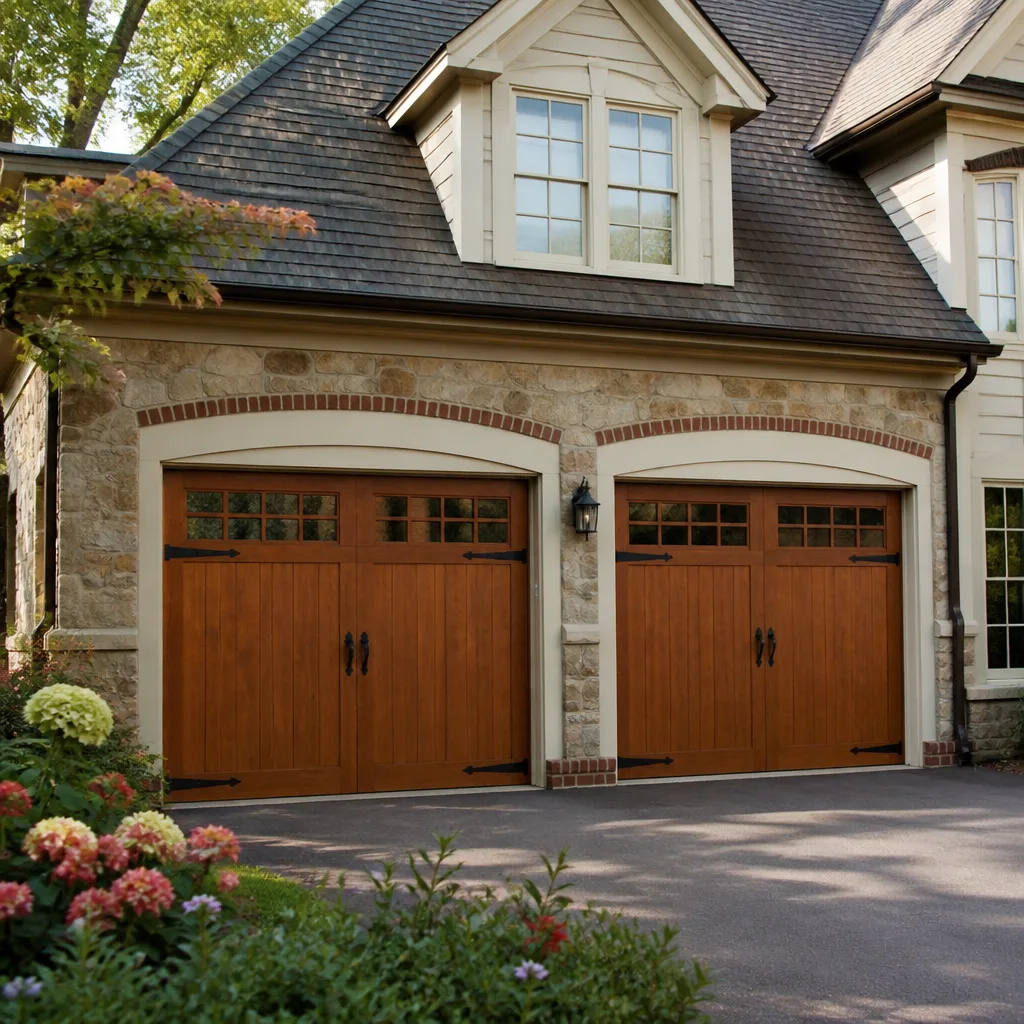 Carriage house
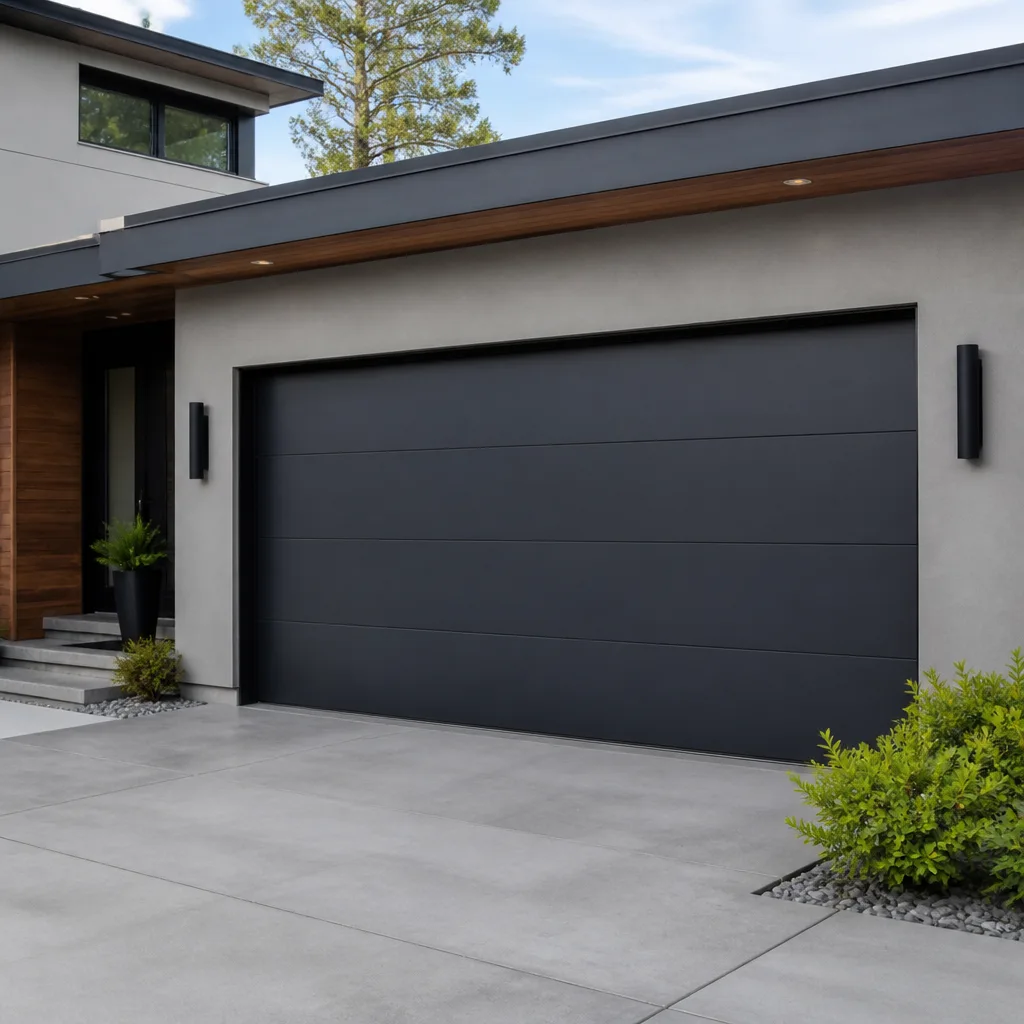 Modern flush
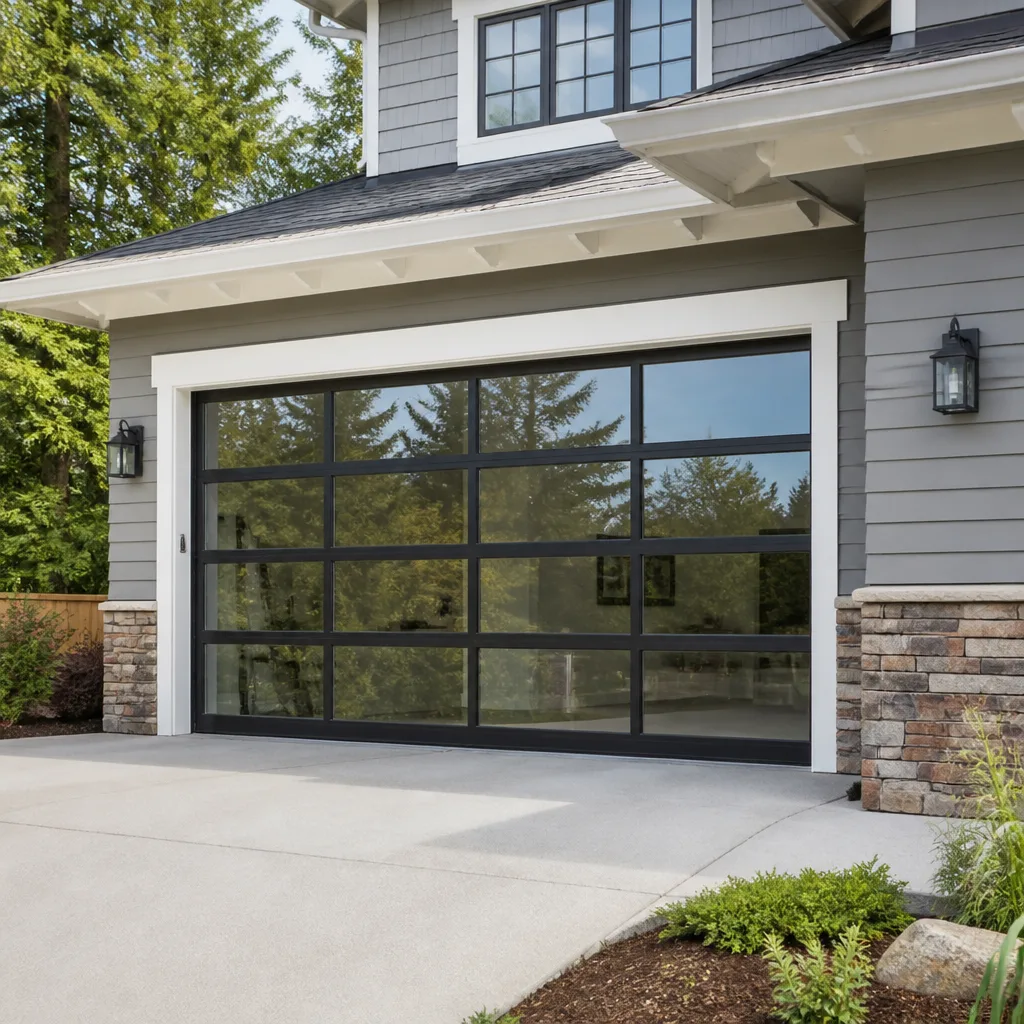 Full-view glass
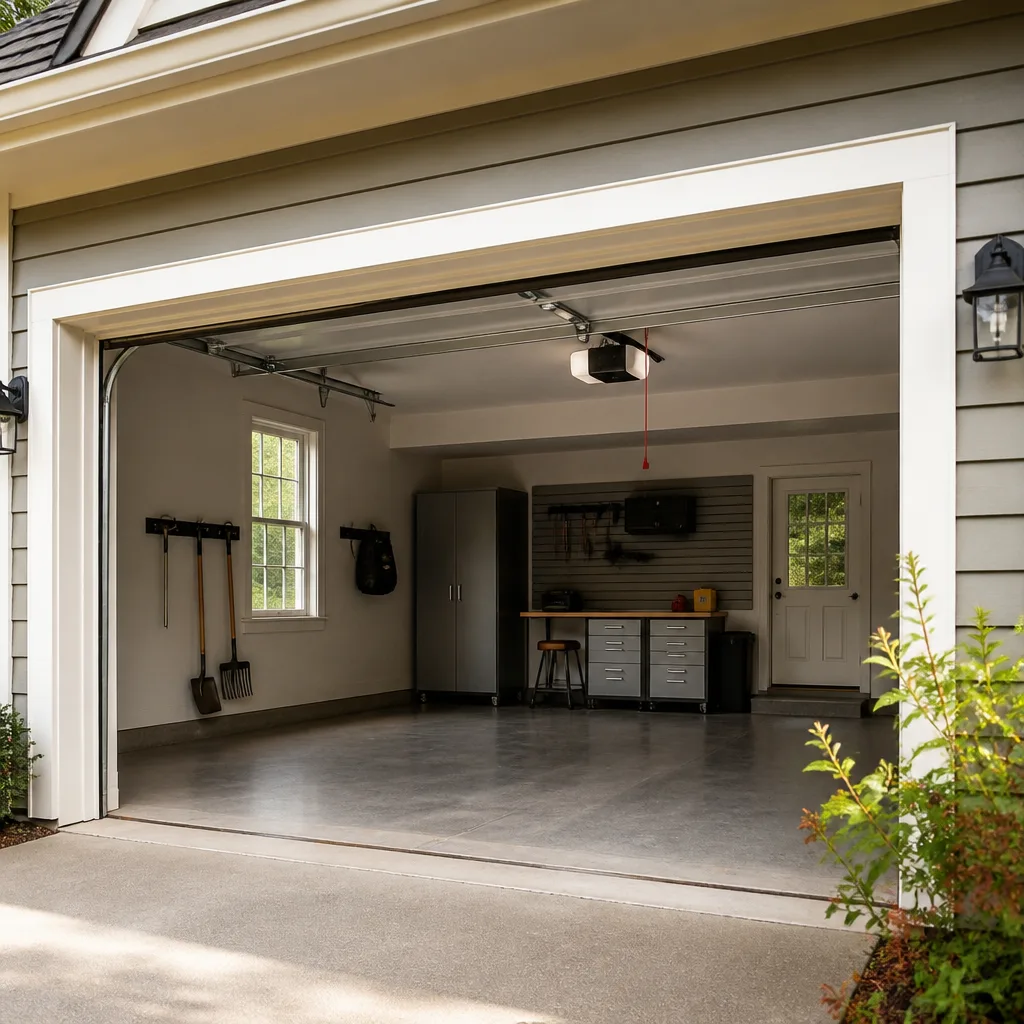 LiftMaster openers
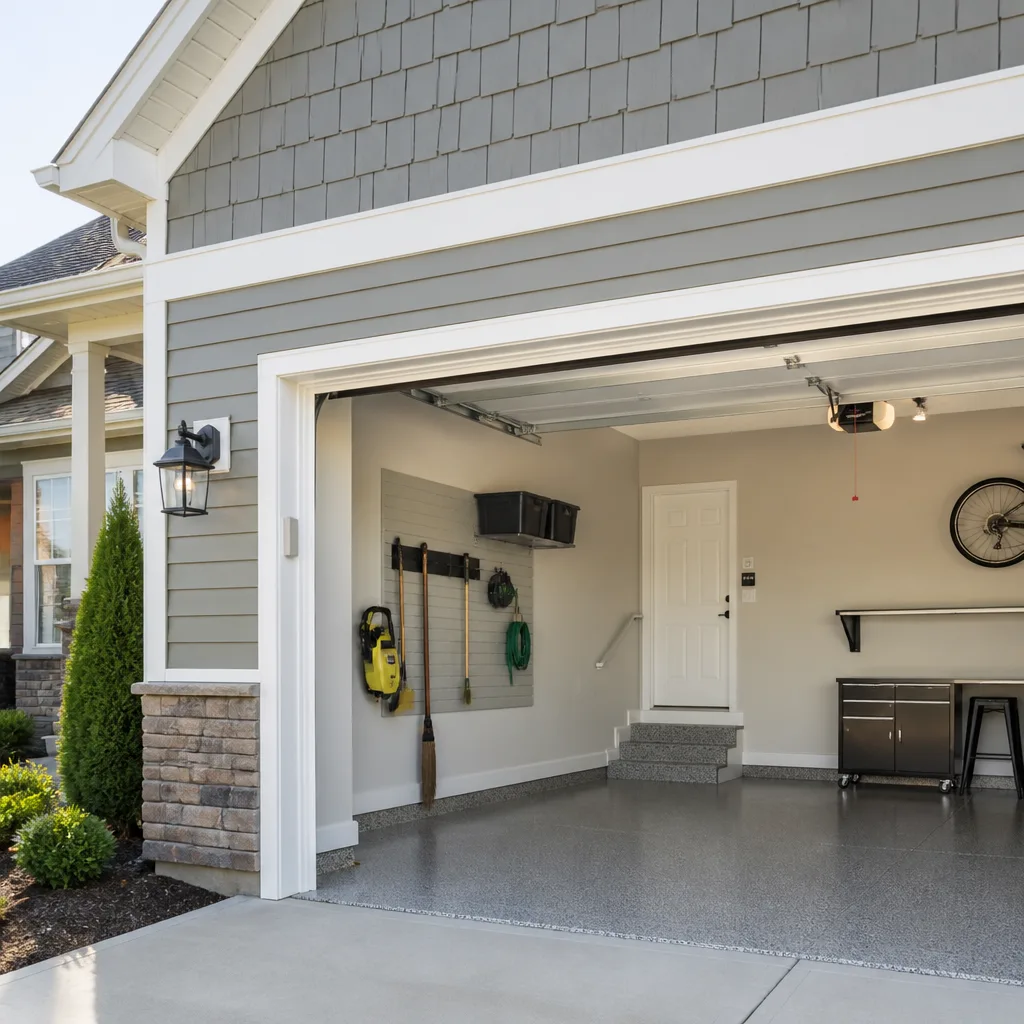 Chamberlain openers
Full 25-point door and opener safety check with every visit - springs, cables, rollers, tracks, and your LiftMaster or Chamberlain opener included
You get a price before we start. It does not change when the pro arrives.
Get your free estimateGarage Door Permits, Codes & Inspections in Greenwich Village, NY: What You Need to Know
Most people assume a garage door is a private fixture on a private building, so nothing about it could possibly interest the city. In Greenwich Village, that assumption runs into a wall made of three separate approval layers. A single door replacement here can require a DOB filing, a Landmarks Preservation Commission sign-off, and a co-op or condo board resolution, and the order you submit them in shapes the whole timeline. Get it backwards and you can lose weeks waiting on paperwork you could have filed in parallel. This guide walks through when a permit is actually required, which blocks fall under landmark review, how to check what’s already on your property’s record, and how to clean up old open violations before a sale or refinance. It’s written from our vantage point as people who work on doors and openers in Greenwich Village regularly, and it’s meant to save you the discovery-after-the-fact problem.
Quick Answer
In Greenwich Village, a like-for-like garage door replacement in the same opening, same material and same dimensions usually needs no DOB permit, but any change to the opening, the structural framing, the material, or the door’s rated performance typically requires a filing. On top of that, most of the neighborhood sits within a Landmarks Preservation Commission historic district, which means an LPC approval – either a Certificate of No Effect or a Permit to Alter – is often required before work starts. Co-op and condo buildings add a third layer through alteration agreements and board approval.
Styles & brands we work with
- Raised-panel steel
- Carriage house
- Modern flush
- Full-view glass
- LiftMaster openers
- Chamberlain openers
Table of Contents
- When Does a Garage Door in Greenwich Village Need a DOB Permit?
- Greenwich Village Landmarks: Which Blocks Fall Under LPC Review?
- Co-op and Condo Board Requirements Before Work Begins
- How to Check Existing Permits with the DOB NOW Portal
- What to Do About Permit Violations Left by a Previous Owner
- The Right Order to Submit Approvals (and What Happens If You Don’t)
- What Inspections Cover and What They Don’t
- How to Choose a Contractor Who Understands Greenwich Village Paperwork
When Does a Garage Door in Greenwich Village Need a DOB Permit?
The dividing line in New York City is whether the work is a repair or a replacement, and whether anything about the opening is changing. A broken spring, a snapped cable, a dead opener, or a bent track is repair work. No filing is involved. Swap a door into the same rough opening, same dimensions, same material, and it usually sits in the same repair category. Change the opening, the header, the structural load path, the material, or add automation where none existed, and the work starts to look like construction, which is where the Department of Buildings gets interested.
Here’s how we’d categorize the jobs we see in Greenwich Village:
- Repair, no permit: spring replacement, cable replacement, roller and hinge swaps, section replacement within an existing door, opener repair or like-for-like opener replacement.
- Usually no permit but worth confirming: a full door swap where dimensions, material and opening all match the existing setup exactly.
- Permit typically required: widening or lowering the opening, changing the headroom, altering how the door meets the lintel, converting a manually operated door to an opener-driven one where electrical work is involved, or any change to structural framing.
- Always check with a filing professional: any door that has been previously flagged, any door on a building with existing open violations, and any replacement inside a landmark district.
We don’t issue permits and we don’t file for them – that’s a licensed architect’s or expeditor’s job – but we can tell you accurately which column your job falls into, which is the first question a good architect will ask you. If you’re already planning the replacement, our garage door installation work starts with exactly that classification so you’re not paying for a filing you didn’t need or skipping one you did. When in doubt, call the city’s building department directly and describe the work precisely. That five-minute call is worth more than any forum thread.
Greenwich Village Landmarks: Which Blocks Fall Under LPC Review?
Greenwich Village is one of the most tightly landmarked residential areas in Manhattan. Several historic districts overlap or abut each other here, and if your building falls inside one, an LPC approval runs alongside or ahead of any DOB filing. The practical consequence is simple: even a modest visible change – a new door color, a different panel style, a different window arrangement in the door – is reviewable. For a garage door on a carriage house or a converted ground-floor space, the door is part of the streetscape the district is intended to protect, so LPC looks at it carefully.
The distinction most homeowners get wrong is between the two LPC approval types:
- Certificate of No Effect (CNE): used when the proposed work has no effect on protected architectural features. For a garage door, this typically covers interior-only work, work not visible from the street, or a direct in-kind replacement using the same design, material and color. Generally faster to obtain.
- Permit to Alter: required when the work does affect a protected feature. A different door style, a different material, a changed color, or anything visible from a public way falls here. This is a fuller review and takes longer.
Which one applies depends on the building, the block, and the individual district’s rules, and the distinction matters in practice because a Permit to Alter can eat weeks of a timeline that a Certificate of No Effect would not. Our advice: check the LPC’s district maps before you order a door. Once a custom door is fabricated to a design LPC declines, you own that door. It’s an expensive lesson, and it’s the single most common sequence error we see with Greenwich Village replacements. If you’re already working through a repair situation, our guide to garage door repair covers the non-permit side of the work.
Co-op and Condo Board Requirements Before Work Begins
In much of Greenwich Village, the building has a board, and the board has its own paperwork that runs completely independent of the city’s. A co-op alteration agreement is not a permit, but it can stop work faster than one. Boards typically want to know who’s doing the work, what insurance the contractor carries, the scope and duration, and how the work will be protected and cleaned up. Some want a licensed contractor’s certificate of insurance naming the building as additional insured. Others want a refundable deposit for elevator padding or common-area protection.
Here’s what we suggest you have ready before you approach management:
- A written scope. One paragraph, plain English, describing exactly what’s being replaced or repaired.
- The contractor’s insurance certificate. Ask for it early – it takes time to issue.
- A proposed schedule. Boards care about noise during daytime hours and about access to common areas.
- Board approval in writing. Get it in writing and keep it in the file with your other paperwork.
If your building is a co-op, the alteration agreement is usually the master document, and the board may add conditions specific to garage or ground-floor work. In older brick buildings around the neighborhood, some versions of this clause come up because the door sits under a residential floor. If the door mechanism is in a shared structure, this matters. It’s worth reading the alteration agreement carefully rather than relying on a summary from a neighbor. The boards we interact with in Greenwich Village are ordinarily reasonable – they just want to know what’s happening and when.
How to Check Existing Permits with the DOB NOW Portal
Before you hire anyone for a replacement, know what the city already has on record for your building. The DOB’s online portal lets you look up permit history and job filings by address, and it’s free. This one step catches more problems than any other piece of due diligence, and almost nobody does it.
Here’s the process we recommend:
- Look up the property by address on the DOB’s online portal and pull the job filings and permit history.
- Read the descriptions. Look for anything referencing the garage, the opening, the ground floor, or structural work at the front of the building.
- Check for open violations or unresolved jobs. A job that was filed but never signed off will show up here, and it follows the building, not the person who filed it.
- Print or save the record. Keep a copy alongside your own paperwork so any future buyer’s attorney sees a clean trail.
- Ask the contractor to do the same read. Any garage door company worth hiring should be able to look at the record with you and interpret what it means for your project.
We also use this check on repair jobs in Greenwich Village, because it tells us things that matter. A door that was replaced under a permit tells us the opener was probably replaced at the same time. A door with no paper trail but a recent look can mean a previous owner did the swap themselves. That’s not automatically a problem – repairs don’t need filings – but it does tell us to look closely at the spring anchor and track brackets, which are where untrained installations tend to go wrong safely. For a deeper picture of what we cover, start at Garage Door Repair Greenwich Village.
What to Do About Permit Violations Left by a Previous Owner
Open violations on a garage door are not common, but they surface in exactly one situation: a sale or a refinance. Attorneys on both sides run title and property record searches, and an unresolved job or violation pops up on the report. At that point the closing is on hold until it’s cleared, which is a very bad time to discover that the previous owner replaced a door without the right paperwork. If you’re in that situation, work through these steps in order.
- Pull the record and identify what’s open. Use the DOB portal to see exactly which permit or violation is unresolved, and what year it was filed.
- Determine the work that was actually done. Sometimes the record describes work that was later completed; sometimes it describes work that was never done. These are clean-up jobs of different sizes.
- Engage an expeditor or licensed professional. Clearing a violation usually requires either closing out an existing job or filing a new one to legalize the existing conditions. This is an expeditor’s specialty.
- Get an inspection if required. A legalization filing typically includes an inspection of the installed work to confirm it matches the filing.
- Keep the clearance letter in your own file. Do this even if you don’t plan to sell for years. It keeps the record clean.
This is one of the few parts of the process where the door itself is not the issue. The installed door may be perfectly fine. It’s the paper that’s missing, and it’s fixable, but it takes time. Our advice to anyone buying a property with a garage in Greenwich Village is to run the DOB record check before you sign, not after.
The Right Order to Submit Approvals (and What Happens If You Don’t)
This is the part that costs people weeks. The three approval layers – LPC, DOB, and the building’s board – don’t talk to each other. Getting them in the correct order saves time; getting them in the wrong order can hold up a job for weeks even when the work itself is straightforward.
Here’s the sequence that works:
- Landmarks first. If your building is inside a historic district and the door is visible from a public way, get the LPC review going before you file with DOB. A DOB filing without LPC approval inside a district tends to get flagged, and you’ll be asked for the LPC’s sign-off anyway.
- DOB filing second. Once the LPC decision is in hand, the filing professional can submit to DOB with the LPC determination attached. This is where a missing piece gets ugly, so don’t skip step one.
- Board approval in parallel. The co-op or condo board process runs independently of the city’s, so start it early and don’t wait for the other steps to finish. It usually just needs your scope, insurance certificate and a schedule.
- Contractor scheduling last. Don’t schedule installation until the paperwork is either approved or so clearly on track that no surprise is possible. A custom door sitting in a warehouse waiting on a filing is expensive to store.
The reverse order is the one we see go wrong. A homeowner orders a door, then the LPC review adds a condition, and the door has to be remade to match. Or the door is installed before a required filing, and the legalization becomes an open item that follows the property. Neither of these is hypothetical. In our experience, the cost of starting correctly is a few weeks of diligence. The cost of starting wrong is a remade door or an open violation. For anyone working through the paperwork and ready to talk about the actual door, our garage door repair team is happy to walk through it – we’ve seen enough filings in Greenwich Village to flag the ones that will be tricky. And when the door involves a lift mechanism or an opener, our garage door opener repair team handles the electrical side.
What Inspections Cover and What They Don’t
Here’s the part homeowners are surprised by: a DOB inspection verifies that what was built matches what was filed. It is not a safety inspection of the door. The inspector is confirming the opening dimensions, the structure, and the general compliance of the installed work. They are not going to test whether your torsion spring is balanced, whether the safety reverse function on your opener works, or whether the operator’s force settings are matched to the door’s weight. Those items either get tested by your contractor on installation or they don’t get tested at all.
That gap matters. If you bought a property where the door was installed by someone else – and let’s be honest, in a neighborhood with as much renovation churn as Greenwich Village, that happens – a clean permit record doesn’t mean the mechanism was set up correctly. We’ve opened up doors with a perfect paper record and found a spring sized for a different door weight. When we test a door, we’re checking things the inspector doesn’t:
- Spring balance: the door should hold roughly halfway open on its own; if it drifts up or down, the spring is wrong or out of tension.
- Safety reverse: the opener’s force setting and reversal behavior should actually stop the door when it meets an obstruction.
- Cable condition: frayed or worn cables are a sign of imminent failure and injury risk.
- Hardware tightness: loose brackets and hinges are common after years of use and cause most of the annoying noises.
- Opener logic: older Craftsman and Genie units and newer LiftMaster and Chamberlain models both have their own quirks worth checking.
If the mechanism is genuinely unsafe, the inspection side and the repair side need to talk to each other. Our technicians have up to 12 years of experience and are trained on the major brands – Wayne Dalton, Craftsman, Raynor, LiftMaster among them – so if something turns up, we can name it on the spot rather than send it out to a third party. We answer 24/7 and offer fast dispatch from 7am to 7pm, Sunday through Friday, if an issue turns urgent.
How to Choose a Contractor Who Understands Greenwich Village Paperwork
The person installing your door is not the person who should be interpreting your LPC approval. Those are different skill sets, and conflating them is where things get tangled. A good contractor should be able to tell you what paperwork is likely needed, what they can’t file, and who should be in the room when it happens. A bad one will tell you paperwork isn’t needed, or that they’ll “handle it,” or that you shouldn’t worry about it. All three answers are a problem.
Here’s what to ask before you sign:
- “Is my building in a historic district?” If they don’t know how to check, that’s a warning sign. This is easy to look up.
- “What type of LPC approval would this door need?” The answer should distinguish CNE and Permit to Alter correctly.
- “What filing professional do you work with?” A good garage door company will have an expeditor or licensed architect they can recommend, even if they don’t file themselves.
- “Who insures the work?” Ask for a certificate of insurance, especially if your building has a board.
- “What’s included and what’s not?” Get it in writing. A written estimate should plainly show what’s covered.
- “What happens if a permit turns out to be required after the fact?” Any honest answer to this question involves a discussion, not a shrug.
We work with the brands our customers already own – LiftMaster and Chamberlain on the opener side, Clopay and Amarr on the door side – and we do our own installation and repair with the same technicians. What we don’t do is issue permits or file with DOB; that belongs with a licensed professional who files for a living. What we can do is tell you on a site visit what paperwork the job will likely need, and flag the questions you need to raise with your architect before you order anything. Garage Door Repair Greenwich Village is our main page for anyone who wants to check our scope before booking a visit.
Common Mistakes to Avoid
- Ordering a door before checking landmarks. A custom door fabricated to a design LPC later declines is money spent on nothing, and Greenwich Village has enough landmark districts that this is a real risk. Check first, order second.
- Filing with DOB before LPC. In a historic district, DOB will typically want the LPC determination attached. Filing backwards means a resubmission, which costs weeks, not days.
- Assuming a like-for-like swap needs no paperwork. Sometimes it doesn’t, sometimes it does, and the LPC angle often changes the answer. Just because the door is the same size doesn’t mean the review is the same.
- Ignoring the co-op or condo board until the day before installation. Reading the alteration agreement the week you want to start is how a job gets delayed. Board approval can take as long as a city filing.
- Trusting a clean permit record as a safety endorsement. The DOB inspection verifies compliance with the filing. It does not verify spring balance, safety reverse, or cable condition. Those matter more to your daily safety than the paper does.
- Assuming a previous owner left a clean record. Greenwich Village properties change hands frequently, and unpermitted work happens. Run the DOB portal check before signing anything.
- Hiring a contractor who promises to “handle” the paperwork without asking what your building needs. In this neighborhood, that answer means “I’ll install the door and you’ll deal with the officials.” Get a clear answer before work starts.
See the difference
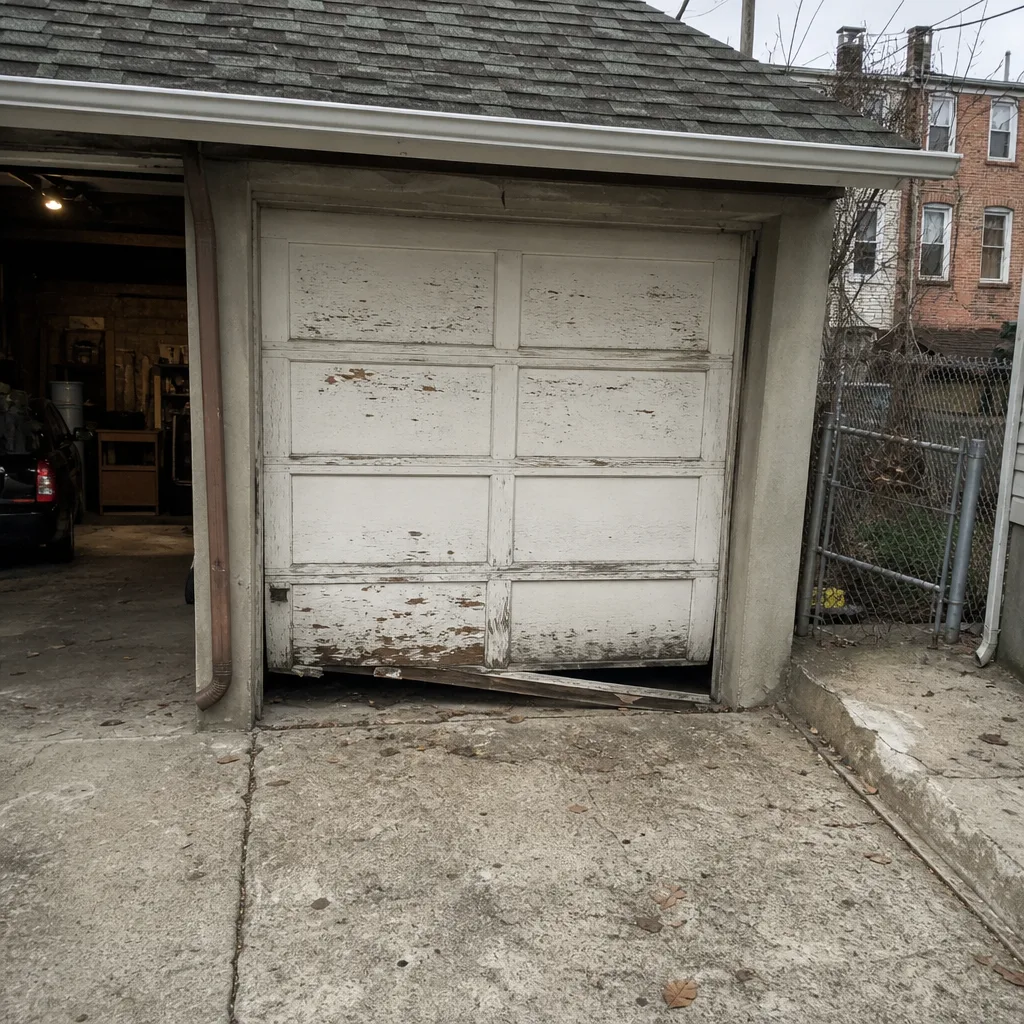 Before
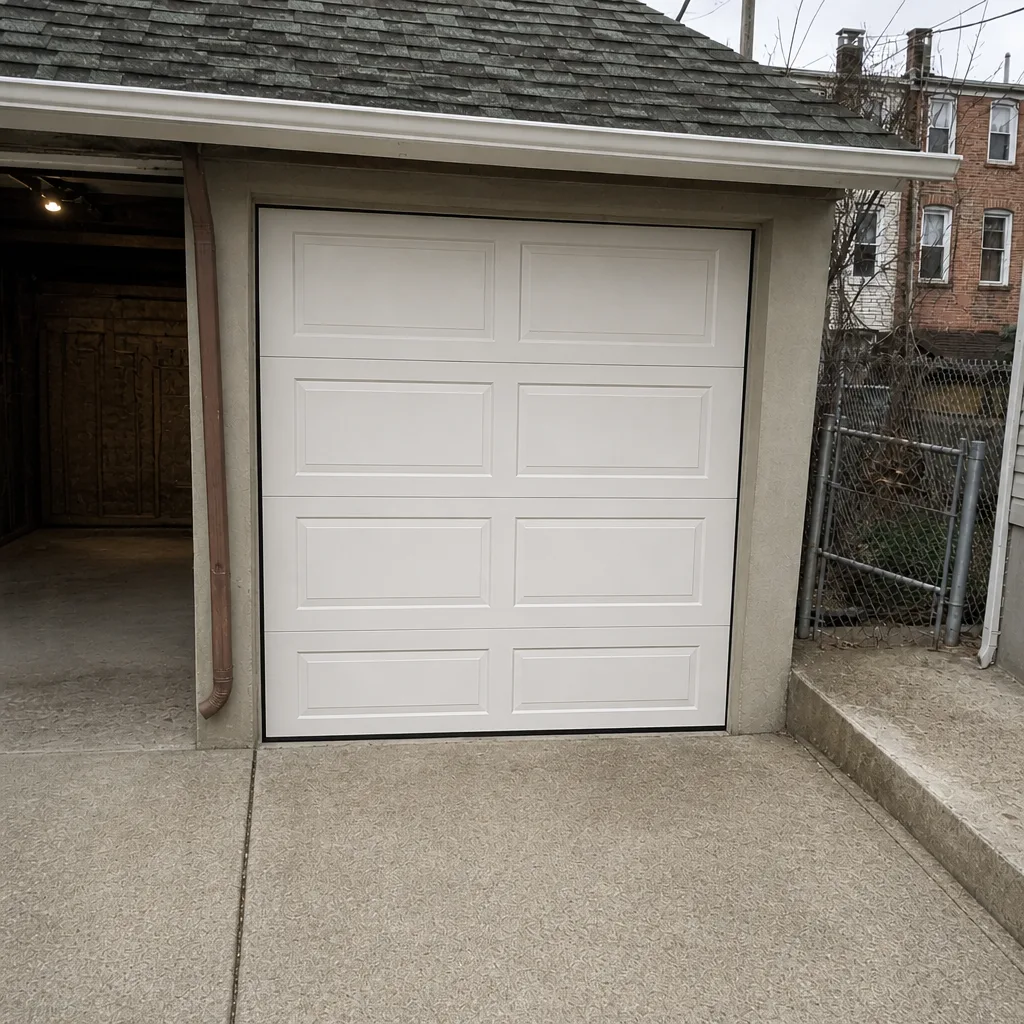 After
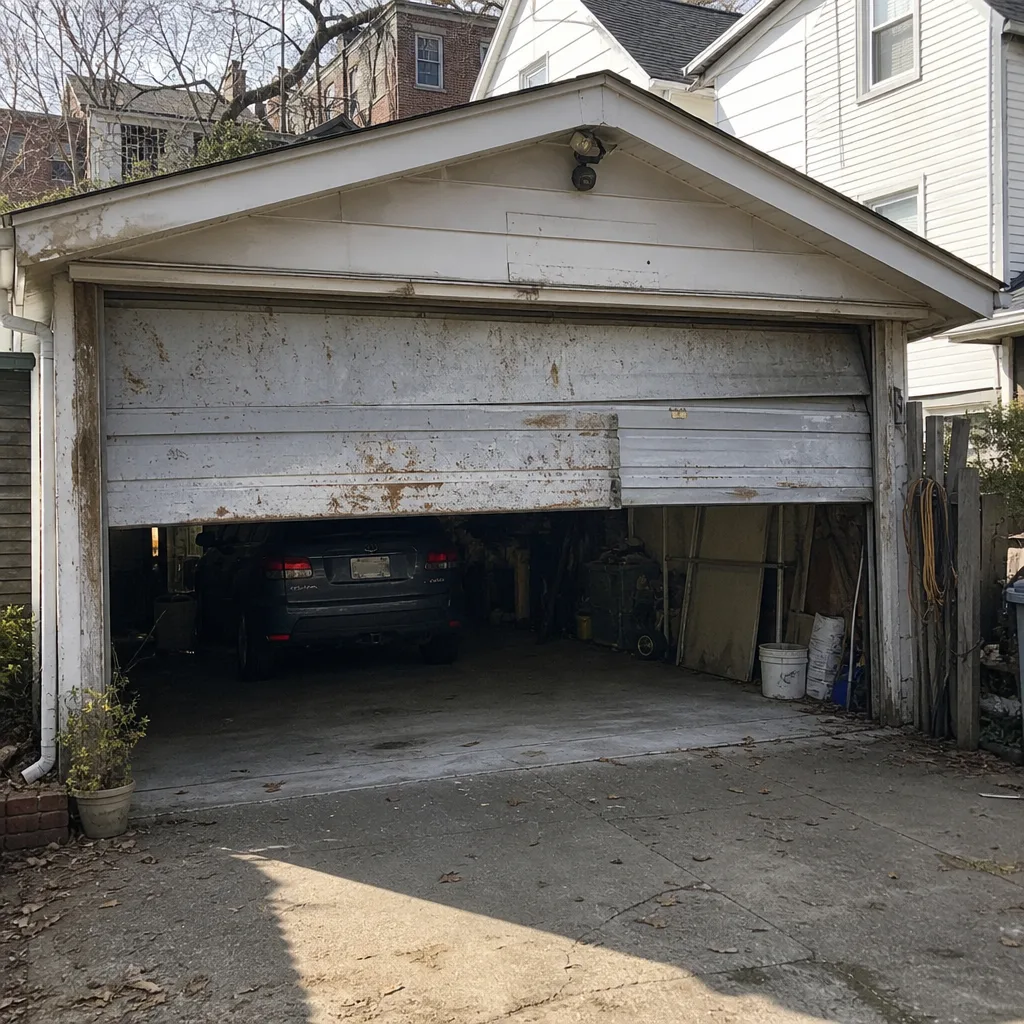 Before
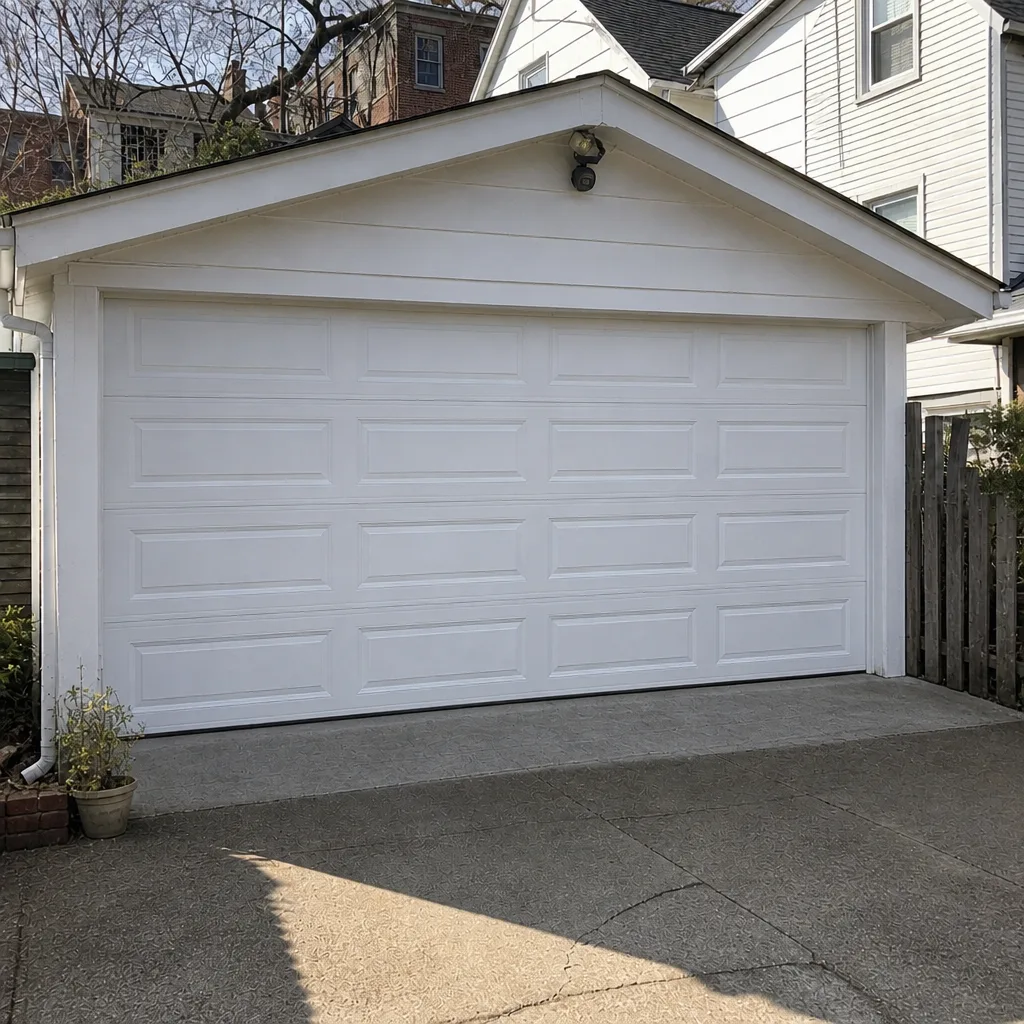 After
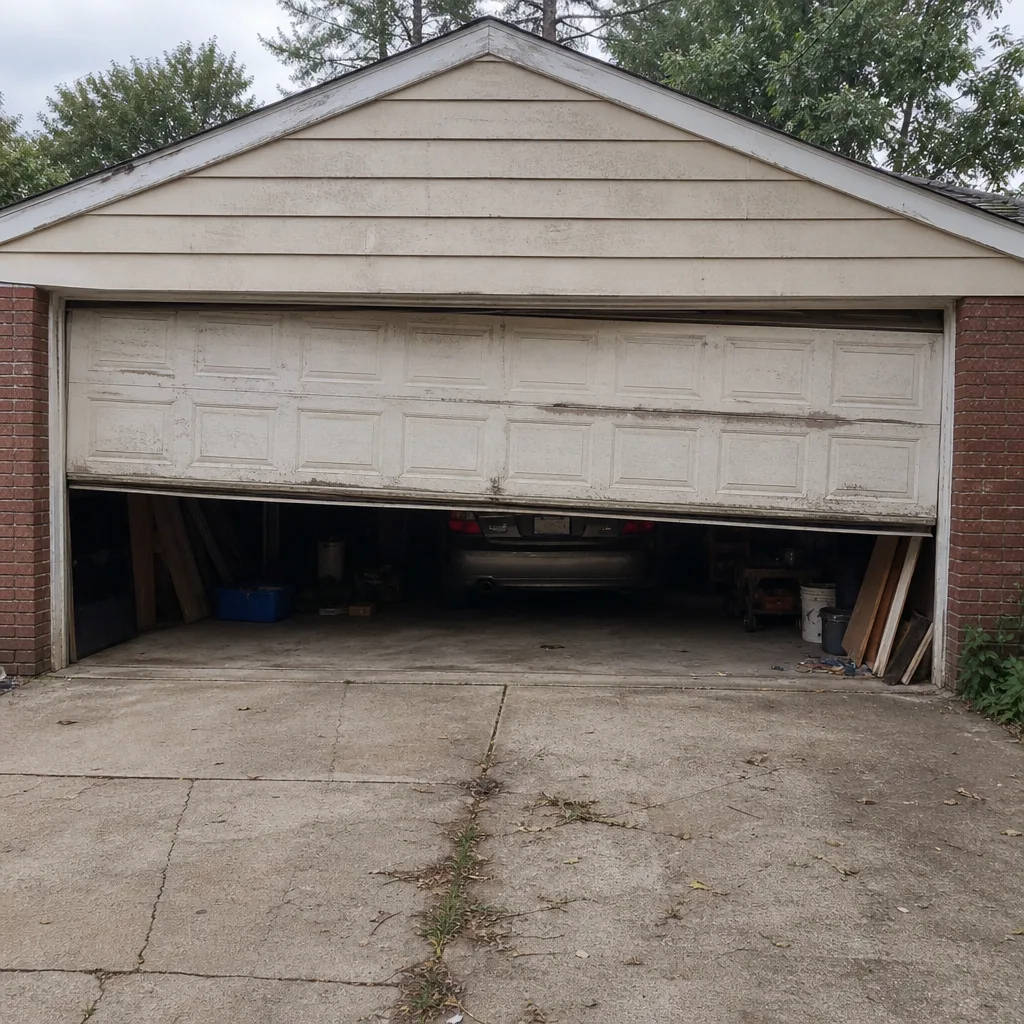 Before
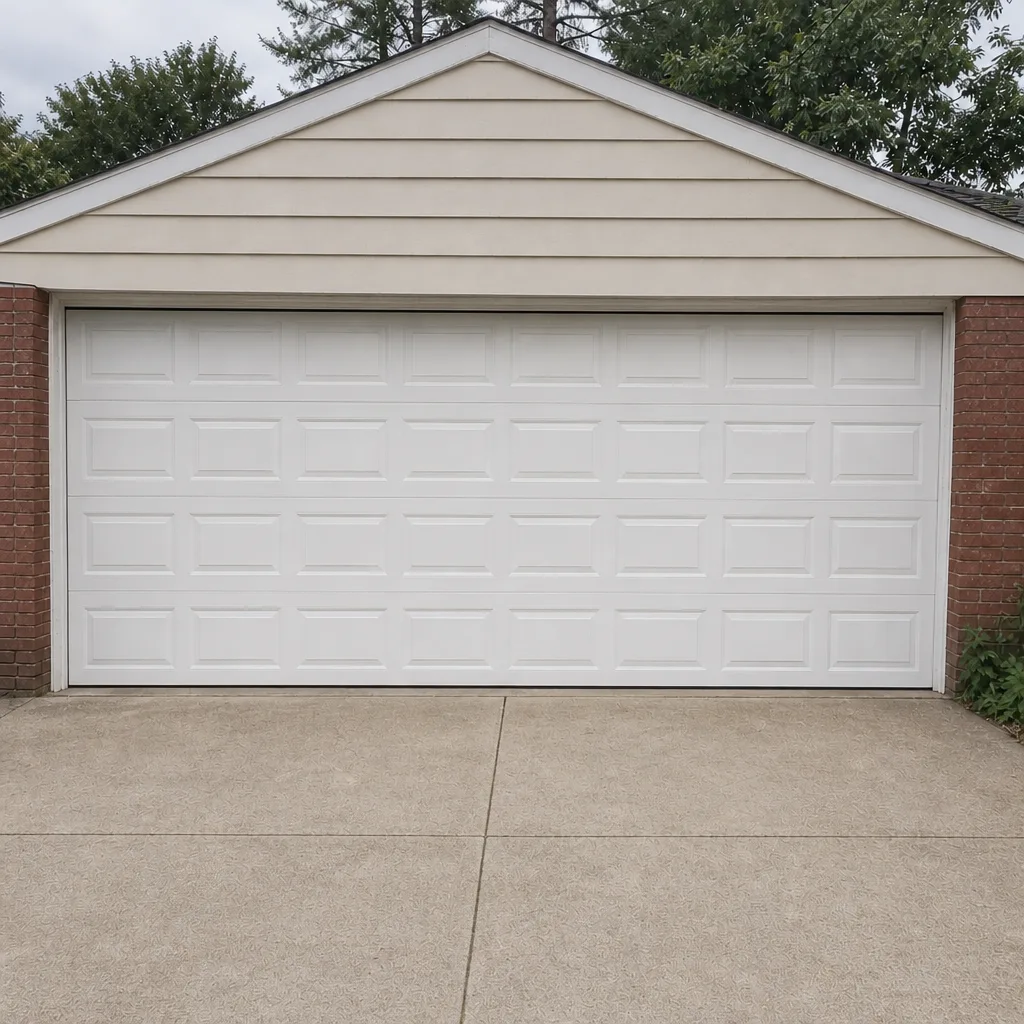 After
When to Call a Professional
If a torsion spring has snapped, a cable is frayed, or the door is stuck open and the building feels exposed, that’s a repair that needs a trained technician to look at it today – not a homeowner with a YouTube tutorial. Springs and cables are under high tension and are dangerous to work on without the right tools and technique. We get called in for spring failures and opener failures in Greenwich Village regularly, and the same thing holds across Clopay, Amarr, Wayne Dalton, Craftsman, LiftMaster and the rest: this stuff gets fixed quickly when the right person is on it. Our team is in Greenwich Village, handles repair and installation under one roof, and picks up the phone seven days a week. Garage Door Repair Greenwich Village offers free estimates in Greenwich Village – call (844) 395-2808. We answer 24/7. Fast dispatch from 7am to 7pm, Sunday through Friday. The price is quoted and agreed before any work starts.
Frequently Asked Questions
It depends on the scope. A like-for-like replacement in the same opening, same dimensions and same material usually needs no DOB permit, but any change to the opening, framing, material, or the door’s rated performance typically requires a filing. On top of that, most of Greenwich Village sits within a Landmarks Preservation Commission district, which is a separate approval layer entirely. Call us at (844) 395-2808 for a free estimate and we’ll walk through which category your job falls into before you order anything.
A Certificate of No Effect is for work that has no effect on protected architectural features – typically interior work, work not visible from a public way, or an in-kind replacement matching the existing design, material and color. A Permit to Alter is required when the work does affect protected features, such as a different door style, material or color visible from the street. The two approvals take different amounts of time, and choosing the wrong one first is a common way to lose weeks. For anything involving the door itself, plan for LPC first before you order.
Look up your address on the Landmarks Preservation Commission’s district maps, which are public and free. Several historic districts overlap or abut each other around Greenwich Village, so the answer for one block can differ from the answer for the next block, and sometimes for one building to the next. If you bought recently, the title report usually references any landmark designation, and your building management typically has this information on file. If the answer is unclear, contact the LPC directly with your address before you make any decisions about door design.
The open violation follows the property, not the person who did the work. It typically surfaces during a sale or refinance, when attorneys run property record searches. The fix is a legalization filing through an expeditor or licensed professional, and it can involve an inspection of the installed work. Our advice is to check the DOB’s online portal before you close on a property with a garage – it’s free and fast, and it puts you ahead of a problem that’s much cheaper to handle early. Call (844) 395-2808 if you want to talk through what the door itself needs.
In most Greenwich Village buildings with a board, yes. The co-op alteration agreement or condo rules typically require a written scope, the contractor’s certificate of insurance naming the building as additional insured, a proposed schedule, and a refundable common-area protection deposit. Read the alteration agreement early rather than the week before installation, and start the board process in parallel with any LPC or DOB filing. Getting board approval in writing protects you and makes the work go more smoothly.
A DOB inspection confirms that the installed work matches what was filed with the Department of Buildings – the opening dimensions, structure and compliance with the filing. It does not test spring balance, safety reverse, cable condition, or whether the opener’s force setting is matched to the door weight. Those items are the contractor’s responsibility, and they’re worth checking on any door you inherited from a previous installation. Our technicians have up to 12 years of experience and can test all of it in a single visit. Call for a free estimate and we’ll give you a quick read on what’s actually there.
The Bottom Line
Garage door work in Greenwich Village runs through three layers – DOB, LPC, and the building’s board – and the order you approach them in determines whether the job moves smoothly or stalls. Like-for-like repairs usually need no filing, but any change to the opening, material or visible appearance can trigger both city review and landmark review. Check the DOB portal before you buy or hire, read the alteration agreement before you order a door, and get written approval at each layer before scheduling installation. None of this is hard, but all of it is order-dependent. For the door itself, from opener to spring to panel, we’re a single call away.
Call (844) 395-2808 for a free estimate. We answer 24/7. Fast dispatch from 7am to 7pm, Sunday through Friday. The price is quoted and agreed before any work starts.
Written by the team at Garage Door Repair Greenwich Village.